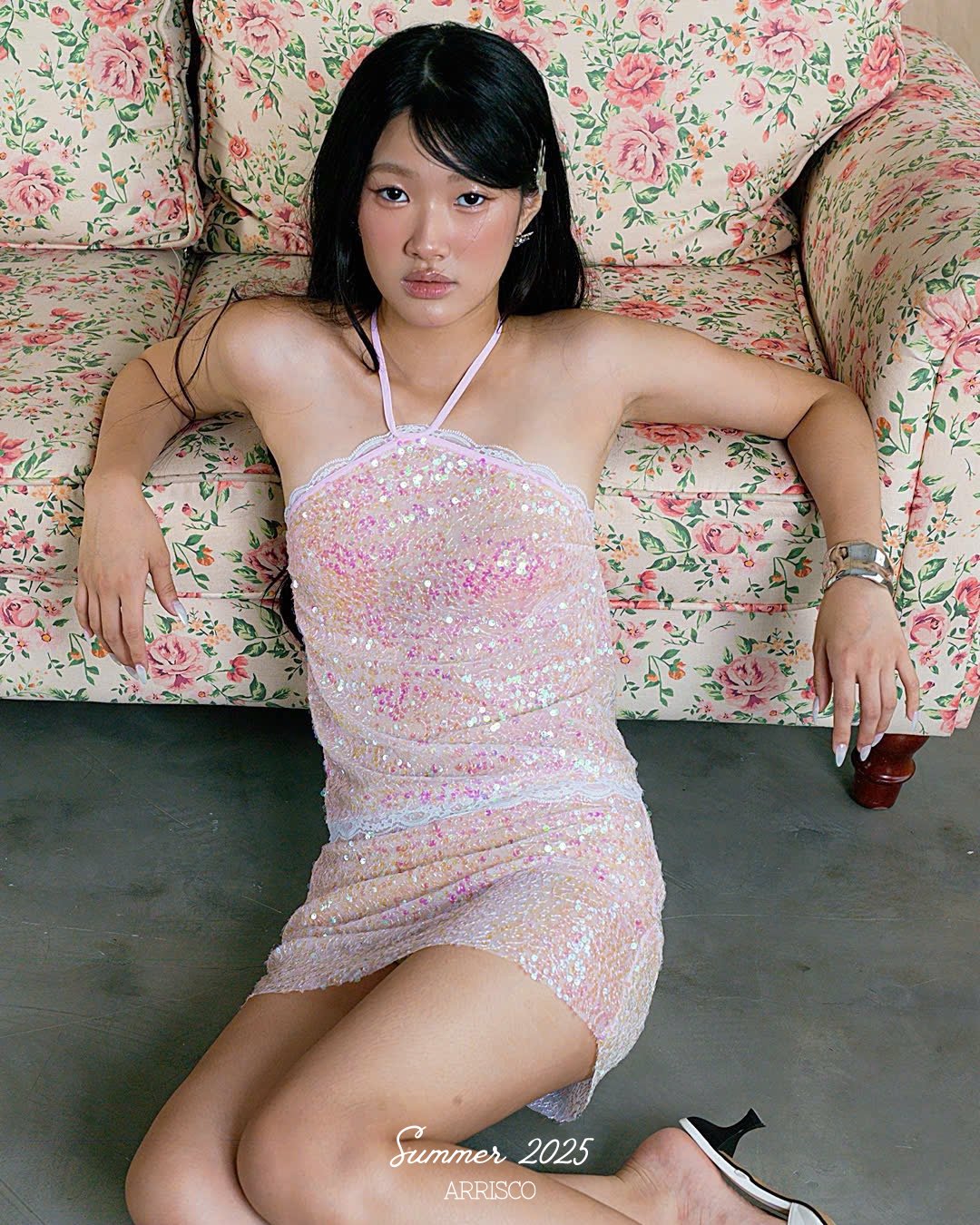


You know that moment when a dress looks perfect in the mirror, then turns into a clingy, overheated mistake by noon? The fabric starts sticking at the waist, the lining stops breathing, and suddenly you're thinking about your clothes more than your actual day.
That's usually the point where people start caring less about silhouette alone and more about fiber. A beautiful cut matters. So does color. But if the material fights your body, the dress never becomes a favorite.
A natural fiber dress changes that experience. It can feel cooler, softer, and more alive on the body. It can also be fussier, wrinkle faster, and demand better care. That's the part many guides skip. If you want to shop smart, you need both sides of the story.
Why Your Wardrobe Needs a Natural Fiber Dress
The easiest way to understand the appeal is to think about your most comfortable day dress. Not the one that photographs best. The one you reach for when the weather is sticky, your schedule is packed, and you need to look polished without feeling trapped.
That's where natural fibers tend to shine. They have a long history in clothing, not because they're trendy, but because they work. Cotton cultivation dates back about 7,000 years, and the main natural fibers commonly identified are cotton, linen, silk, and wool, as outlined in this brief history of natural fibers. That same source notes a major modern shift. Total fibre production grew from 49 million tons in 1996 to 124 million tons in 2023, while natural-fiber market share fell from 45% to nearly 27%.
That makes wearing a natural fiber dress feel surprisingly current. It's not just nostalgic or rustic. It's a deliberate choice in a market flooded with synthetics.
Comfort you can actually feel
A natural fiber dress often earns its place in your wardrobe the first time you wear it for a full day. You notice fewer mid-day adjustments. Less cling. Less that vaguely stuffy feeling that makes you want to change as soon as you get home.
A good dress shouldn't ask for constant attention. It should let you move through the day without thinking about your fabric every ten minutes.
Style-wise, natural fibers also bring texture. Linen has a dry, airy crispness. Cotton can look clean and easy. Silk catches light in a way synthetics often imitate but rarely match.
If you're building a wardrobe around pieces that feel good and last beyond one season's mood board, this broader conversation around sustainable fashion for women is worth reading too.
What Exactly Makes a Dress Natural
Think of fabrics the way you think about food. Some ingredients are close to their original source. Others are heavily transformed. In clothing, natural fibers are the “whole foods” category. They come directly from plants or animals.
Plant-based fibers include cotton, linen, and hemp. Animal-based fibers include wool and silk. These fibers begin in nature, and that origin affects how they feel, breathe, drape, and age.

Plant fibers and animal fibers
Plant fibers are usually associated with breathable, easy daytime dressing. Cotton feels familiar and versatile. Linen and hemp tend to feel drier, cooler, and more textured. They're the fibers people often crave in warm weather.
Animal fibers behave differently. Silk feels smooth and fluid. Wool can regulate temperature beautifully, even when people think of it only as a winter fabric.
Here's the simplest breakdown:
- Cotton feels soft, familiar, and easy to wear.
- Linen feels airy and crisp, with visible texture.
- Hemp feels sturdy at first, then softens over time.
- Silk feels refined, fluid, and elegant.
- Wool feels resilient and insulating, yet often breathable.
Where readers get confused
The confusing part is label language. “Natural,” “plant-based,” and “bamboo” don't always mean the same thing.
Some fabrics start with a natural raw material but go through significant processing. Regenerated cellulosics sit in that in-between space. They don't behave exactly like classic natural fibers, and they shouldn't be treated as interchangeable with cotton or linen just because the starting source was plant-based.
That's why fiber content matters more than marketing mood. If a product page gives you poetic language but no material breakdown, be cautious.
Consumer preference helps explain why this matters commercially too. In a global survey of 13,026 consumers across 13 countries, 75% said they prefer clothing made of cotton, cotton blends, or denim, 59% said they're willing to pay more for clothing made from natural fibers, and 66% cited comfort as a key reason, according to Grand View Research's natural fibers market overview. The same source values the global natural fiber market at USD 69.23 billion in 2024, with a projection to USD 94.65 billion by 2030 and a projected 5.4% CAGR from 2025 to 2030.
If you want a stronger grip on fiber names before you shop, this guide to unraveling fashion fabrics is a helpful companion.
Quick filter: If you want the truest natural fiber experience, look first for labels that clearly state cotton, linen, hemp, silk, or wool.
A Trendsetter's Guide to Fabric Personalities
Not all natural fibers give the same vibe. That's where people get tripped up. They hear “natural” and assume every option will feel breathable, elegant, easy, and low effort in the same way. That's not how fabric works.
A cotton poplin dress, a washed linen midi, and a silk slip can all be excellent. They just solve different style problems.
Cotton feels easy for a reason
Cotton is the friendliest entry point. It's usually soft, familiar, and low drama to wear. In dresses, cotton can range from crisp shirting to slubbed jersey to airy voile, so the personality changes with the weave.
A cotton T-shirt dress feels casual and grounded. A structured cotton midi can feel clean and polished. The reason cotton works so well for everyday dressing is that it rarely feels intimidating.
Its weakness is that it can vary wildly. Some cottons feel polished. Others feel too thin, too casual, or too prone to losing shape if the construction is poor.
Linen and hemp bring presence
Linen and hemp are the fashion insider favorites when you want a dress to feel lived-in yet elevated. They aren't limp. They hold a line. They create shape without looking stiff in the wrong way.
That comes from their fiber structure. Linen and hemp are bast fibers with high specific stiffness, which helps explain why linen dresses often drape with a crisp structure and feel breathable and lightweight in warm climates, as described in this guide to natural fabrics and eco-friendly textiles.
That crispness is gorgeous in shirt dresses, shift dresses, and roomy midis. It's less ideal if you want a slinky body-skimming effect.
Linen doesn't whisper. It announces itself through texture, creases, and movement.
Hemp often feels a bit more rugged at first touch. Over time, it softens beautifully. If linen is the chic vacation friend, hemp is the cool minimalist with a practical streak.
Silk is movement
Silk is all about flow, glow, and drape. It doesn't give you the dry crispness of linen or the casual dependability of cotton. It gives you fluidity.
That makes silk beautiful for evening, events, and elevated day styling. It also makes silk less forgiving if you want something toss-on-and-go. Water spots, snagging, and more delicate care are part of the package.
Bamboo and other soft talkers
Bamboo-based dresses are often marketed as the soft, modern answer to everything. The feel can be smooth and appealing, especially if you like a drapier silhouette. But performance depends heavily on how that fabric was made and blended. Treat it as its own category, not as a direct stand-in for linen or cotton.
Natural Fiber Dress Fabric Comparison
| Fiber | Feel & Drape | Breathability | Wrinkle Factor | Best For |
|---|---|---|---|---|
| Cotton | Soft to crisp depending on weave. Easy, familiar drape | Good | Moderate | Everyday dresses, shirt dresses, casual midis |
| Linen | Crisp, airy, textured. Holds shape beautifully | Excellent | High | Hot weather, travel looks with relaxed polish, beach-to-city dressing |
| Hemp | Structured, slightly dry hand at first, softens with wear | Excellent | Moderate to high | Minimalist dresses, utility-inspired silhouettes, long-wear daytime looks |
| Silk | Smooth, fluid, elegant, light-catching | Good | Moderate | Slip dresses, occasion wear, refined layering |
| Bamboo or regenerated cellulosic blends | Soft, often fluid and stretchy-feeling | Good to very good | Low to moderate | Lounge-leaning dresses, soft draped styles |
How to match fabric to your lifestyle
If your real life includes commuting, café meetings, and long humid afternoons, cotton and linen tend to make the most sense. If you hate visible creasing, pure linen may test your patience. If your wardrobe revolves around dinners, events, and pieces that feel sensual on the body, silk might be your star.
Use this shortcut:
- Choose cotton when you want flexibility and familiarity.
- Choose linen when you want airflow and visual texture.
- Choose hemp when you want strength and a more directional look.
- Choose silk when you want softness, shine, and elegant movement.
- Choose processed plant-derived drapey fabrics carefully when softness matters more than crisp structure.
The Real Benefits and Honest Trade-offs
Natural fiber dresses earn their reputation for comfort, but they're not magic. They're materials. Materials always come with strengths and limits. If you know both, you'll shop better and feel happier with what you buy.
The biggest advantage is breathability. Natural fibers are more permeable, which allows heat and moisture vapor to pass through the fabric more effectively. That helps regulate the tiny climate between your skin and the dress, reducing trapped sweat and making cotton, linen, and wool especially comfortable for all-day wear and sensitive skin, as explained in this natural fiber guide.

The benefits people talk about
First, they often feel better on the body. Less trapped heat. Less cling. Less of that coated feeling some synthetic fabrics create in humid weather.
Second, they usually age with character. Linen softens. Cotton can become more relaxed and personal. Silk develops that beloved worn-in delicacy when cared for well.
Third, they support a slower way of shopping. If you're sorting through the bigger ideas behind responsible dressing, this sustainable fashion guide gives useful context around why fiber choice is only one part of the picture.
The trade-offs people skip
Now the part that matters just as much. Linen wrinkles. A lot. If you want a dress that looks freshly pressed after sitting through lunch, pure linen may not be your dream fabric.
Silk can be glorious, but it's not carefree. It asks for gentler washing, careful storage, and a little more attention around jewelry, rough bags, and spills.
Even cotton isn't automatically simple. Some cotton dresses are sturdy and opaque. Others are thin, limp, or overly stretchy. Construction matters just as much as fiber content.
Reality check: “Natural” is not the same as “effortless.” The right choice depends on how much maintenance you'll actually tolerate.
There's also the sustainability nuance. A dress can be plant-based and still include hidden non-biodegradable elements, and a supposedly better material isn't automatically the better purchase if the garment loses shape fast or lives unworn in your closet. That's one reason the conversation around slow fashion vs fast fashion matters more than buzzwords alone.
The best mindset
Don't ask whether natural fibers are perfect. Ask which imperfection you're willing to live with.
If you can accept wrinkles in exchange for coolness, linen may become your summer obsession. If you'd rather steam a silk slip than wear a stiff synthetic satin, that's your trade-off. Good style gets easier when you stop chasing the fantasy of one fabric doing everything.
How to Style Your Natural Fiber Dress
A natural fiber dress looks best when you let the fabric lead. Don't style linen like glossy party satin. Don't force silk to behave like a sturdy day dress. The smartest outfits work with the material's mood, not against it.
For visual inspiration, details matter. Texture, trim, and shape all change how a natural fabric reads.

Linen for city weekends
A breezy linen midi is one of the easiest warm-weather wins. Pair it with leather sandals, a structured tote, and simple metal jewelry. The contrast is what makes it feel modern. The fabric is relaxed, but the accessories keep it sharp.
If the dress wrinkles by midday, let it. Linen looks best when it feels lived in, not over-managed.
For a softer take, choose a silhouette with volume through the skirt and a defined shoulder or square neckline. That balance keeps the outfit from drifting into shapeless territory.
Cotton for everyday polish
Cotton dresses are styling chameleons. A simple cotton shirt dress works with loafers and a sleek belt for daytime, then switches to strappy sandals and bold earrings at night. A cotton gingham dress can lean playful or polished depending on your shoes and outerwear.
This styling reference for a cotton gingham dress shows how much personality you can pull from a familiar fabric when the silhouette is right.
Here's a practical formula that rarely fails:
- For brunch pair a cotton midi with white sneakers, a cropped cardigan, and a top-handle bag.
- For travel choose a cotton poplin dress, flat sandals, sunglasses, and an oversized button-down worn open.
- For office-casual days add a belt, a low heel, and a clean blazer with some structure.
When a fabric is simple, accessories do the storytelling.
Silk for day-to-night shifts
Silk has range if you style it down first. A silk slip dress with a fine knit layered over the top can read like a skirt outfit during the day. Add ballet flats or loafers, then switch to heels and a sharper lip for evening.
This short video shows the kind of fluid movement and styling versatility that makes dress fabrics come alive:
Hemp and textured blends for fashion depth
Hemp dresses tend to suit more directional styling. Think flat sandals with architectural lines, a woven bag, angular sunglasses, or a minimal sandal with a substantial sole. Because hemp can feel more grounded and substantial, it pairs beautifully with cleaner accessories.
If your dress already has texture, resist piling on too many competing details. Let one thing lead. Maybe it's the slubbed surface. Maybe it's the neckline. Maybe it's the movement of the skirt.
Your Smart Buyer's Guide to Finding The One
Buying a natural fiber dress gets much easier when you stop shopping by mood alone and start checking the build of the garment. Fiber matters. So do weave, lining, cut, and care instructions.
The most useful mindset is this one. You are not just buying a look. You are buying a wearing experience.
Read the label like a stylist
Start with fiber content. “100% cotton” tells you something clear. A blend tells you something else. Neither is automatically bad, but you need to know what you're agreeing to.
“Plant-based” can be fuzzy language; some garments include up to 10% non-biodegradable components such as elastane or sewing thread, which complicates blanket assumptions about biodegradability, as noted in this overview of natural fibers and material nuance.

What to inspect before you buy
Don't stop at the tag. Look at the whole garment.
- Check opacity: Hold the fabric to the light or zoom in on product images. Some natural fabrics are beautifully airy, but too sheer for your lifestyle.
- Inspect the seams: Uneven stitching, pulling, or puckering can ruin even a good fabric.
- Study the silhouette: Crisp linen needs room to move. Silk often needs clean lines. Cotton can handle more structure.
- Read the care label: If you already know you won't hand wash, don't buy a dress that depends on that level of attention.
- Look for lining details: A dress can have a lovely outer shell and still feel uncomfortable if the lining traps heat or clings awkwardly.
Certifications matter, but fit still wins
Certifications like GOTS and OEKO-TEX can be useful signals when they're available. They help you understand more about processing and standards. But don't let certification language distract you from a basic truth. If the dress doesn't fit well, feel good, and suit your real routine, it won't become a wardrobe hero.
A better buying checklist often looks like this:
- Does the fiber suit my climate
- Can I handle the care
- Will this shape work with the way the fabric moves
- Can I wear it at least a few different ways
- Do I still like it once the marketing words are stripped away
For a wider lens on brands and shopping habits, this roundup of best sustainable fashion brands can help you compare your options.
Buy the dress you'll rewear, maintain, and feel relaxed in. That's usually the smarter purchase than the one with the best buzzwords.
A great natural fiber dress doesn't need to be perfect. It needs to match your life. If you hate wrinkles, choose cotton over linen. If you hate stiffness, skip crisp weaves. If you travel often, prioritize fabrics that recover gracefully after packing. The smartest style choices are rarely the trendiest. They're the ones you keep reaching for.
If you're ready to find a dress that feels as good as it looks, explore Arrisco. Their contemporary approach to fit, fabric, and modern femininity makes it a strong place to start when you want pieces with style presence and real-world wearability.