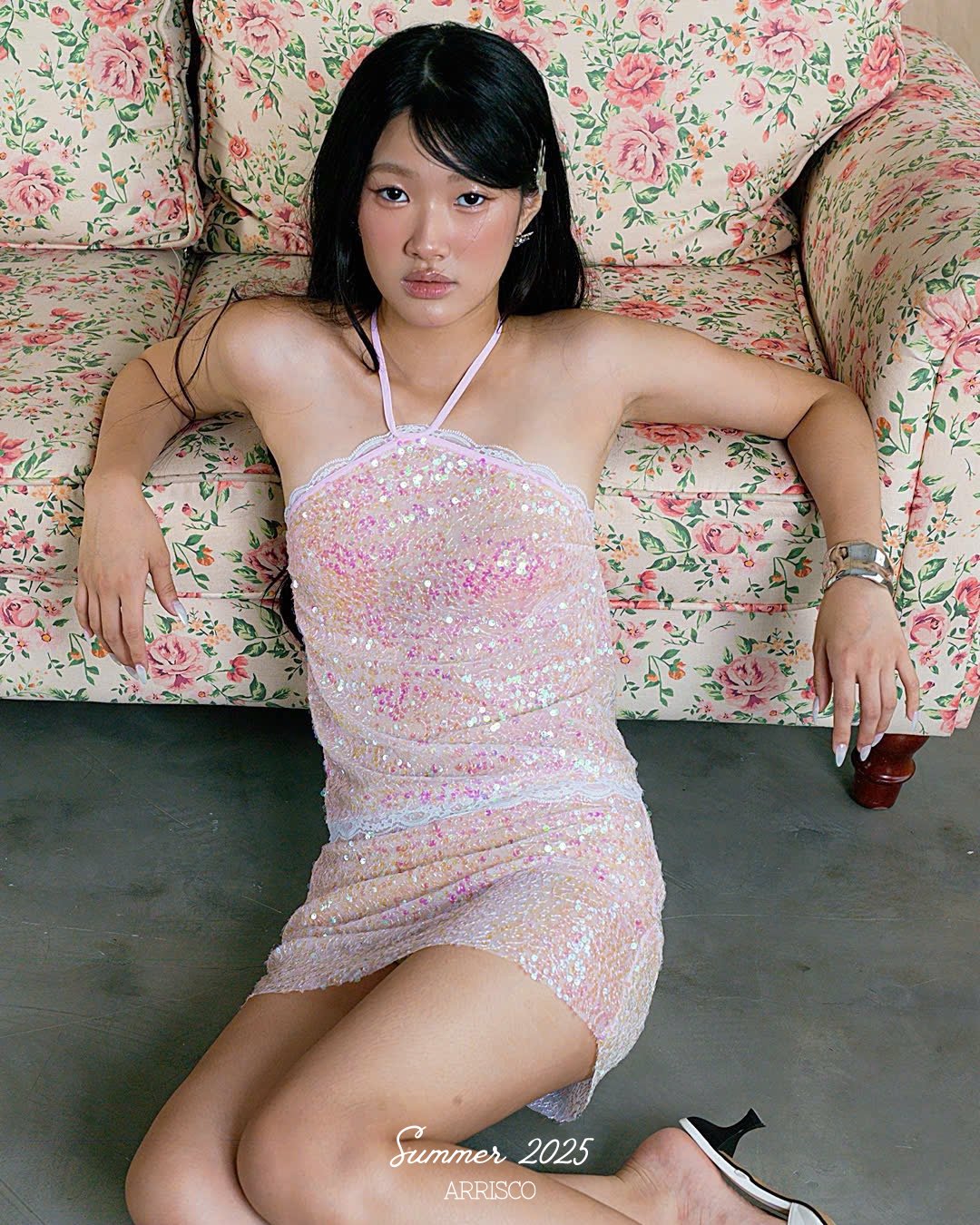


You're scrolling through an online boutique late at night when a long silk skirt stops you. On the model, it falls perfectly, catches the light, and makes a simple top look styled. You add it to your cart, then hesitate. Will it skim your hips or cling to them? Will the hem survive your commute, your climate, and your suitcase?
That hesitation is useful. A long silk skirt can become one of the hardest-working pieces in your wardrobe, but only when the fabric, cut, length, and care demands match your actual life. Trend images show the fantasy. Good fit decisions make the garment work on your body, in your weather, and with the clothes you already own.
Why Long Silk Skirts Deserve a Place in Your Wardrobe
A client once brought me a beautiful silk skirt she'd bought online because she loved how it looked with a tiny camisole in the product photos. In person, the skirt wasn't wrong, but it was too long for her shoes, too clingy across the hips, and too glossy for the casual wardrobe she wore. We changed the styling, shortened the hem, and paired it with a relaxed knit. Suddenly, it became something she could wear for lunch, work, and dinner instead of a special-occasion item trapped in her closet.
That's the appeal of a long silk skirt. It gives a basic outfit immediate polish without requiring a complicated top. A white T-shirt, fine knit, crisp shirt, or fitted jacket looks more intentional beside silk because the fabric adds movement and light reflection. Change sneakers to loafers or heels, and the same skirt shifts from relaxed to refined.
Silk also carries genuine historical weight. Reliable industry summaries trace silk production in China back more than 5,000 years, with origins in the Neolithic period, and China still produces roughly 75% to 78% of global raw silk in recent years, according to industry reporting on the silk textile market. The material remains commercially significant, too. That source valued the global silk textiles market at USD 124.2 billion in 2023 and projected an 8.0% CAGR from 2024 to 2030, while another estimate in the same market discussion placed the broader silk textile market at USD 18.3 billion in 2024, rising to USD 26.7 billion by 2034.
Stylist's rule: Don't reject silk because it feels too dressy. Lower the formality with the top, shoes, and accessories before you reject the skirt itself.
Long lengths have repeatedly returned as symbols of elegance and changing silhouette. Late-19th-century skirt references show how quickly shape could shift, with a wider silhouette associated with 1893 to 1897, and narrower versions linked to 1890 to 1893 and again from 1897 onward, as discussed in historical discussion of late-19th-century silk skirts. The lesson is practical: silk responds dramatically to cut. Length, bias direction, waistband shape, and hem volume matter more than a season's styling photograph.
Understanding Silk Fabric Types and Weaves
The word “silk” tells you the fiber, not how the skirt will behave. A long skirt in charmeuse feels completely different from one in crepe de chine, and choosing between them is a fit decision as much as a texture decision.
Match the fabric to the movement you want
Charmeuse has a liquid drape and a reflective surface. It slides over the body beautifully, but it also reveals every curve and can cling around the thighs. Choose it when you want a sleek, sensual line and are comfortable with a closer silhouette.
Crepe de chine is the more forgiving stylist's choice. Its slightly pebbled, matte finish diffuses light, while its gentle structure skims rather than hugs. It works especially well for an everyday long skirt because it looks polished without announcing itself from across the room.
Chiffon is airy, sheer, and ethereal. In a floor-length skirt, it needs layering or an integrated lining, and the extra transparency can make the garment feel more occasion-focused. It's lovely for movement, but less practical if you want one skirt for commuting and regular daytime wear.
Satin usually has a glossy face and can range from fluid to substantial depending on its construction. A heavier satin looks luxurious and resists looking flimsy, but it may feel warm or cumbersome in humid weather.
Habotai is lightweight and breezy, making it comfortable for warm conditions. It wrinkles readily, though, so it suits relaxed travel or casual wardrobes better than a highly structured office look.
Use momme as a buying filter
Momme measures silk density. Think of it as a useful fabric-density comparison to thread count in cotton, although the systems measure different things. For a long skirt, I recommend the 16 to 22 momme range because it balances fluid movement with a more substantial hand.
| Fabric Type | Drape & Sheen | Momme Range | Best For |
|---|---|---|---|
| Charmeuse | Liquid, high sheen, body-skimming | 16–22 | Evening looks and sleek silhouettes |
| Crepe de chine | Fluid, matte, softly structured | 16–22 | Everyday wear and office styling |
| Chiffon | Airy, sheer, layered | Varies by construction | Occasion dressing and dramatic movement |
| Satin | Glossy face, potentially heavyweight | Varies by construction | Formal outfits and cooler settings |
| Habotai | Lightweight, breezy, wrinkle-prone | Varies by construction | Warm weather and relaxed wear |
Weave structure affects opacity, wrinkle behavior, shine, and comfort. A smooth, shiny surface reflects more light and can emphasize cling, while a textured surface breaks up reflections and often looks calmer over the body. Before buying, check whether the product description names the weave, weight, lining, and finish. If it only says “silky,” you're not getting enough information to judge the skirt.
For a broader primer on how fabric choices affect garment behavior, read this guide to the world of fabric.
Finding the Right Fit for Your Body Type
Silk has zero stretch, so a long silk skirt must fit at the waist and hips before you worry about the visual effect. Measure your natural waist, fullest hip, and desired length from the waistband to the hem while wearing the shoes you expect to use. Then compare those measurements with the brand's size chart, not with your usual size in denim or knitwear.
A skirt that's tight at the hip will pull, twist, and catch the light unevenly. A skirt that's too loose at the waist may rotate while you walk, throwing the side seam and hem off balance.
Choose the silhouette that supports your proportions
Pear shape: Choose an A-line or bias-cut skirt that skims the hips and flares gently from the knee. Avoid heavily gathered waistbands, which add volume where you don't need it. A clean waistband and a fluid lower half create a smoother line.
Hourglass: Wrap styles and high-waisted cuts work beautifully when the waistband follows your natural waist without pulling. Look for enough hip room to let the skirt fall cleanly, especially in non-stretch satin or charmeuse.
Apple shape: Try a mid-rise skirt with a slight A-line. It gives you vertical length without pressing tightly across the midsection. A smooth front waistband is usually more comfortable than bulky gathers, and a side zip can preserve a cleaner line.
Rectangle: Use movement to introduce shape. Side slits, ruffled hems, soft pleats, and draped details create visual rhythm around a straighter frame. A wrap construction can also add a diagonal line that breaks up a column shape.
Inverted triangle: Balance broader shoulders with a fuller lower silhouette. Pleated, circle-cut, or softly gathered skirts add presence at the hem and keep the outfit from feeling top-heavy.
Check length before the skirt arrives
Length is where online purchases most often fail. Measure from the exact point where the waistband will sit to the floor, then repeat the measurement in your intended flats, sneakers, or heels. A floor-skimming hem should move freely without dragging under your foot, catching on stairs, or sweeping wet pavement.
Petite clients usually look better when the skirt has a clean, uninterrupted line and a hem adjusted to their actual shoes. Taller clients can handle more volume and dramatic length, but they still need the waistband-to-hem measurement. Curvier clients should prioritize hip and thigh ease over a smaller waist size, then plan for tailoring if the waistband gaps.
Use this accurate body-measurement guide before ordering. It's a small step that prevents the most expensive mistake, buying a skirt whose fabric and cut are beautiful but whose proportions fight your body.
Styling Your Long Silk Skirt for Every Occasion
The same black long silk skirt can look casual, professional, or formal. The difference comes from texture contrast, shoe shape, and finishing details, not from changing the skirt.
Casual daytime
Start with a relaxed cotton T-shirt, a fine ribbed tank, or an oversized knit tucked slightly at the front. Sneakers keep the look grounded, while flat leather sandals work in hot weather. The top should have enough structure to stop the silk from looking like sleepwear, so avoid pairing a very flimsy camisole with equally fluid layers.
In cooler months, add a cropped cardigan, denim jacket, or softly shaped sweater. Keep the hem visible and avoid a long outer layer that ends at an awkward point across the skirt. A canvas tote and restrained jewelry make the outfit look deliberate rather than accidentally dressed down.
Professional office
For work, choose crepe de chine or a less reflective satin rather than a high-shine charmeuse. Add a tucked button-down, fine-gauge crewneck, or fitted shell beneath a structured blazer. Loafers, pointed flats, or a low block heel give the long line authority without making the outfit feel evening-ready.
A conservative office may require more coverage and less movement at the front slit. Check the walking ease before leaving home, especially if the skirt has a narrow cut. In hot weather, wear breathable natural-fiber separates and keep accessories clean. In cold offices, layer a fine knit under the blazer instead of piling thick fabric over the waistband.
Evening formal
Let the skirt's sheen lead. Pair it with a sequined top, sculpted bustier, or elegant silk camisole, then add heeled sandals, statement earrings, and a compact clutch. Keep the color story focused. A black skirt with metallic jewelry looks sharper than a crowded mix of competing finishes.
The hem should clear the floor once you're in your evening shoes. This is the moment for a more dramatic silhouette, but don't sacrifice walking comfort for a photograph. Silk reflects movement, so the outfit already has visual impact before you add bold accessories.
For proportion ideas that translate well from dresses to skirts, use this guide to styling maxi dresses.
Silk behaves differently in humid climates. It can feel comfortable because it absorbs moisture, but dampness also makes the fiber more pliable. In hot, wet weather, choose a breathable lining, avoid excessive layering, and keep the hem away from puddles and rough ground.
Caring for Silk to Preserve Its Beauty
A long silk skirt can lose its drape through one careless wash. Read the care label before cleaning it, and use this guide to reading clothing care labels to confirm the manufacturer's instructions. Tide's instructions for washing and caring for silk clothes advise avoiding chlorine bleach, tumble-drying, and direct sunlight. Heat, agitation, and prolonged light exposure can weaken fibers, fade color, and distort the skirt's shape.
Decide whether washing is allowed
If the label says Dry Clean Only, take it to a professional cleaner. Dry Clean indicates the manufacturer's recommended method, although the safest alternative depends on the garment's construction. Follow this silk garment care guide for detailed washing instructions. When the label permits hand washing, use cool or lukewarm water, a pH-neutral detergent, and minimal agitation.
Test color stability on an inside seam first. Submerge the skirt briefly, move it gently through the water, and rinse without twisting. Never wring silk. Press out moisture by rolling the skirt in a clean towel, then lay it flat on a dry towel. Use a padded hanger only when the garment's construction and care label support hanging.
Protect the shape during storage and pressing
Wire hangers can leave permanent bumps, especially in lightweight silk. Use a padded hanger with suitable loops, or fold the skirt loosely with acid-free tissue between folds. Store it away from direct sunlight and moisture, and keep rough hardware from catching the surface.
Silk has low bending rigidity, which gives it fluid drape but makes it vulnerable to rough handling and heat. Silk-fiber guidance notes that sunlight can weaken the material, while improper washing or heat drying can cause shrinkage of about 5% to 10%, as explained in silk-fiber property guidance. Press the skirt inside out at low temperature with a pressing cloth, or steam it from a safe distance. Never place a hot iron directly on the glossy face.
Humidity changes how the skirt handles. Silk's moisture regain is commonly reported around 11% under standard atmospheric conditions and up to about 30% in some textile references, according to textile research on silk moisture behavior. Moisture uptake makes the fibers more pliable and can reduce strength by roughly 10% to 25%. Avoid stretching the skirt while damp, and pay close attention to waistbands, side zips, and hems.
Quality Signals and Sustainable Shopping Choices
A good long silk skirt reveals its quality before you put it on. Start with the fiber label, then inspect the fabric density, seams, waistband, lining, and care information. Don't let a beautiful campaign image substitute for construction details.
The 19 momme minimum is a useful shopping filter for a long skirt that needs better durability and opacity, while the broader 16 to 22 momme range remains a practical balance for fluid movement. The two figures serve different purposes. One is a firm quality threshold for shoppers who want a more substantial skirt, while the other helps compare the feel and performance of suitable weights.
Inspect the garment details
Look for even stitching, secure seam finishes, a stable waistband, and a lining that doesn't tug against the outer silk. French seams or clean enclosed finishes are reassuring on lightweight fabrics. Check that the zipper lies flat and that the hem hangs evenly when the skirt is held from the waistband.
Be suspicious of vague labels such as “silky fabric” or “silk touch.” Ask whether the garment is 100% silk, a blend, or a synthetic imitation. Missing care instructions are another warning sign because the buyer needs to know whether the skirt can be washed or requires professional cleaning.
Sustainability requires an honest comparison rather than a simple “natural is better” label. Silk is a natural fiber, but its production and processing still carry environmental considerations, and independent sustainability research identifies circularity as an active challenge in the silk value chain. Peace silk and recycled silk may appeal to shoppers with specific ethical priorities, but availability, price, softness, strength, and finish can vary.
Use slow fashion versus fast fashion guidance to frame the purchase around wear, construction, and lifecycle rather than marketing language. Certifications can add useful information, but verify what each label covers instead of assuming every sustainability claim means the same thing.
Making the Investment Case for Silk
A long silk skirt makes sense as an investment only if you'll wear it repeatedly. Consider a $250 silk skirt worn twice a month over five years. That equals 120 wears, bringing the cost to roughly $2.08 per wear. A $40 polyester alternative that degrades after one season may look cheaper at checkout, but its lower price doesn't guarantee lower cost over time.
The calculation is useful, but it isn't the whole argument. A silk skirt must fit impeccably, suit your climate, and work with enough tops and shoes to earn those wears. Dry-cleaning requirements, stain anxiety, and trend uncertainty are legitimate objections, yet they're manageable when you choose a durable weight, a timeless cut, and a color you can style across settings.
Silk's value compounds through versatility. A black, espresso, navy, or deep neutral skirt can work with sneakers, knitwear, tailoring, and evening accessories. A clean A-line or gently fluid bias shape is less dependent on a single season than an exaggerated novelty cut.
Buy one excellent long silk skirt before you buy several mediocre substitutes. Check the measurements, inspect the construction, confirm the care label, and choose the silhouette you'll reach for in real life.
Arrisco offers contemporary dress and skirt styles suited to shoppers who care about fit, modern proportions, and wardrobe versatility. Visit Arrisco to explore its skirt collection and choose a long, polished silhouette that fits your actual style routine.