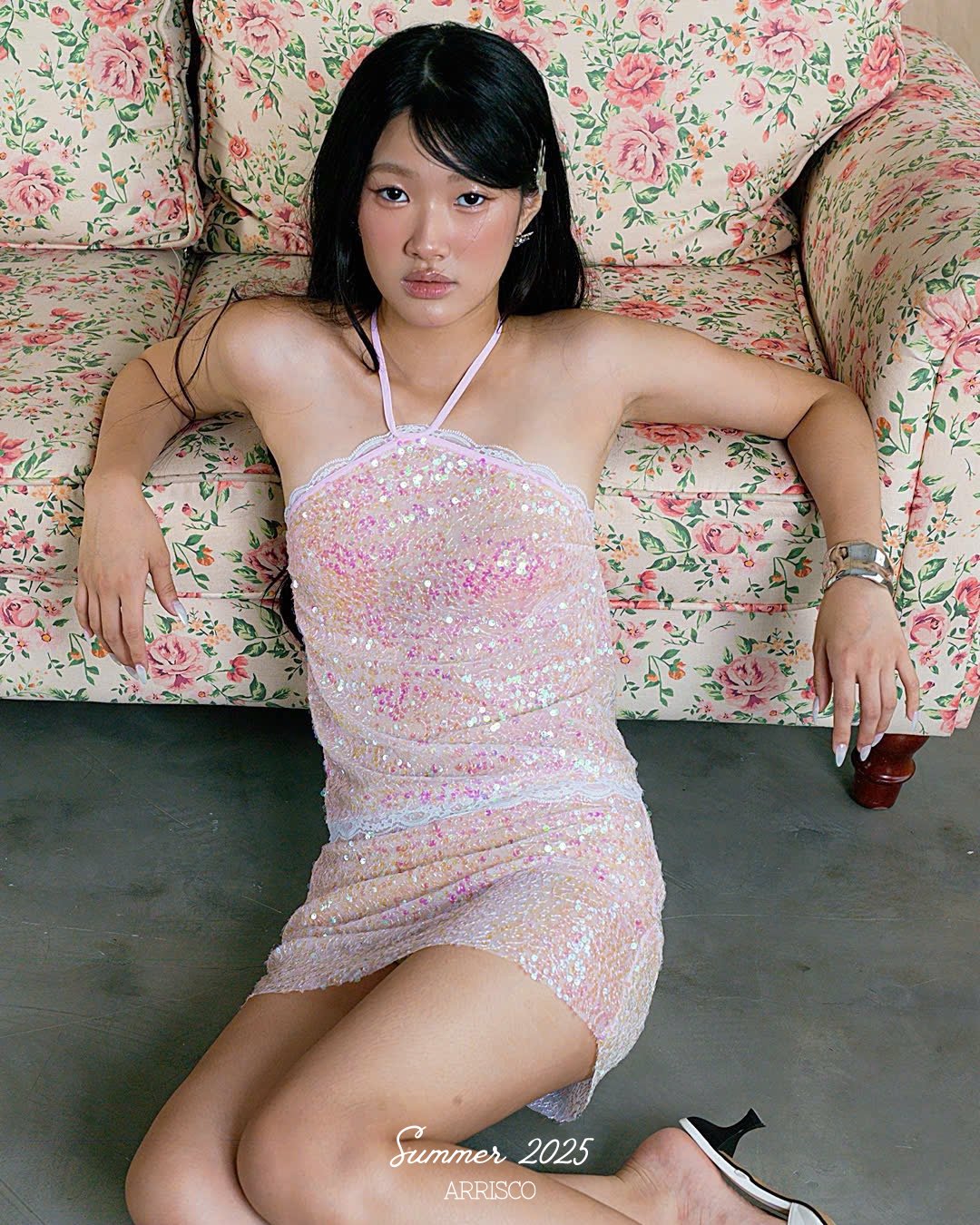


“Lightweight” doesn't automatically mean cool. A dress can look airy on a product page and still cling to your back, trap dampness under the bust, or feel stifling on a humid walk. For day dresses for summer, I'd judge the fabric and fit before I judge the trend. Airflow, moisture transport, opacity, and reliable measurements matter far more than a vague promise that something feels “breezy.”
The modern summer day dress itself grew from practical change. Fashion history sources place defined “summer wear” in the 1920s, the familiar sundress in the 1940s, and the clearly recognized mainstream summer dress by the end of the 1950s, as this history of summer clothing explains. That history still gives the best buying principle: choose clothes that respond to heat, movement, and real daily life.
Why Most Summer Dresses Fail in Real Heat
The popular advice is simple: choose cotton, linen, or anything thin. I disagree with the shortcut. Fiber content is only part of the comfort equation. A tightly woven cotton dress may feel warmer than a more open textile because the construction restricts airflow and slows moisture release.
A controlled study found that fabrics with better air permeability, vertical wicking, and in-plane spreading had clear advantages for lightweight summer dress use, concluding that these structures have strong potential as summer dress materials. The textile study on summer-dress fabric performance makes the practical point clearly: a dress needs to let air pass through and move moisture across the fabric, not merely feel light in your hand.

Visual lightness versus actual comfort
A thin satin slip dress can look weightless while sitting close to the skin. In humid conditions, that close contact creates a sweat-zone problem. The fabric catches at the bust, waist, inner arm, and lower back, exactly where you need release rather than friction.
Dense construction creates another trap. Research on lightweight summer dress materials reports that air permeability falls as fabric weight, thickness, and cover factor increase. Two dresses may use the same broad fiber category and still perform differently because one has a more open structure and the other has a dense surface.
Look closely at the garment rather than trusting the label:
- Underarm space: Sleeves and armholes should allow movement without pressing fabric into the skin.
- Bust construction: A lined bodice can improve opacity, but excessive layers may hold heat.
- Back contact: A loose back, pleat, or breathable panel often feels better than a smooth, tight surface.
- Skirt release: Fabric that leaves room around the thighs reduces cling while walking.
Buyer's rule: Treat “lightweight” as a visual description, not a performance guarantee.
The best summer dress has a coordinated system: breathable construction, enough ease to create airflow, and a surface that can distribute moisture instead of leaving one damp patch against your skin. That's why I'd take an open cotton-linen dress with sensible volume over a paper-thin but clingy style every time.
The Science of Breathable Fabrics and Weaves
Air permeability describes how readily air passes through a textile. It's usually expressed in millimeters per second, or mm/s. Higher airflow can support convective cooling, especially when the garment hangs away from the body. Moisture management describes what happens to perspiration after it reaches the fabric: whether the textile spreads it across the surface, moves it away from the skin, and dries quickly.
Those mechanisms work together. A dress with airflow but poor moisture transport may still feel wet. A fabric that spreads moisture but has a dense construction may dry slowly because air can't circulate effectively.
A clinical-textile study reported a fabric with air permeability of 485 mm/s, a moisture management index of 0.61, and a drying time of about 16 minutes. The researchers considered it better suited to summer wear than denser alternatives, as documented in the clinical study of thermophysiological textile comfort. Those figures aren't a shopping requirement for every dress, but they show why measurable performance matters.
A practical fabric hierarchy
| Fabric Type | Breathability | Moisture Management | Best For |
|---|---|---|---|
| Open-weave linen | Very strong when loosely constructed | Good, with a naturally dry hand | Hot city days, vacations, relaxed tailoring |
| Linen-cotton blend | Strong when the weave stays open | Balanced comfort and easier care | Frequent wear, commuting, travel |
| Lightweight cotton voile or gauze | Strong if not heavily layered | Comfortable, but check drying behavior | Casual weekends and resort dressing |
| Dense cotton poplin | Moderate to limited depending on construction | Absorbs moisture, but may feel heavy when saturated | Structured shirt dresses and milder heat |
| Satin or close synthetic weave | Variable, often limited when worn close | Can feel damp or clingy in humidity | Shorter outings, evening styling |
Linen remains a strong summer choice, while linen-cotton blends offer a useful compromise. Linen contributes breathability, and cotton contributes easier handling; one fabric guide notes that cotton absorbs about 8–10% of its own weight in moisture. This comparison of hot-weather dress fabrics supports the blend as a sensible everyday option, provided the final weave isn't overly dense.
What to ask a brand
Don't obsess over a specific GSM range unless the brand provides tested fabric details. The useful question is whether the product team can explain the textile's weight, thickness, cover, airflow, lining, and drying behavior. A lower-GSM fabric can still feel poor if it's tightly finished or layered heavily.
For a deeper look at natural-fiber dress choices, use this guide to natural-fiber dresses. My preference is clear: choose an open construction first, then compare fiber content. The label should support your decision, not make it for you.
Choosing Silhouettes for Climate and Comfort
Silhouette controls airflow almost as much as fabric. A loose skirt creates a moving air pocket around the legs, while a close sheath holds heat against the torso. That doesn't make fitted dresses forbidden, but it does make them less forgiving in humid weather.

Start with climate, not body-shape rules
For intense heat or humidity, prioritize A-line, fit-and-flare, tent, tiered, and relaxed shirt-dress shapes. These silhouettes skim rather than compress, leaving room for air and reducing fabric contact at the waist and thighs.
For dry heat, you can wear a more open slip or asymmetric dress if the fabric doesn't cling and the lining remains comfortable. For commuting, I'd choose a shaped shoulder, a defined neckline, and a skirt with movement. That combination looks polished without requiring a tight waist.
Use this guide to determining your body shape only as a starting point. The more useful question is where you want the dress to release from the body. A fuller bust may need a shaped bodice and a skirt that falls cleanly. A straighter frame may enjoy a drop waist or tiered volume. Neither choice should sacrifice ventilation.
Trend translation for 2026
Trend coverage highlights tank dresses, babydoll minis, drop-waist dresses, satin styles, and asymmetric shapes, but it rarely explains which silhouettes work for humid climates, commuting, or long daytime wear, as this summer dress trend coverage demonstrates.
My translation is practical:
- Tank dresses: Excellent for heat when the armholes don't cut in and the fabric isn't sheer.
- Babydoll minis: Comfortable through the waist, but check the bust seam and skirt volume.
- Drop waists: Fashion-forward and easy to move in, though the longer torso line may need careful length checking.
- Satin dresses: Better for shorter outings unless the fabric has room to move and doesn't stick to the skin.
- Asymmetric dresses: Visually interesting, but inspect the hem and lining for walking comfort.
Opacity is essential. Hold a white or pale dress toward daylight, check the lining at the bust and skirt, and confirm that the garment still moves when you sit, climb stairs, or carry a bag.
Styling Day Dresses for Every Summer Occasion
One well-cut neutral dress can do more work than several trend pieces. I'd start with a beige, navy, olive, soft white, or muted stripe in a breathable fabric, then change the accessories rather than changing the dress.

Three useful outfit formulas
For a casual weekend, wear a relaxed cotton or linen dress with flat sandals, a woven bag, and compact sunglasses. Keep jewelry simple and let the fabric's texture do the work. A low-profile sneaker also makes the same shape practical for markets, museums, or long walks.
For a creative office, choose a shirt dress or clean A-line midi. Add a lightweight vest, a narrow belt, or a structured tote. That third piece creates polish without adding the heat of a jacket. Keep the shoes supportive and breathable, and avoid a sleeve that bunches under a desk or blazer.
For travel, prioritize a dress that doesn't need constant adjustment. Add a sheer overshirt for sun and air-conditioning, then switch to a statement necklace at dinner. A dress with a forgiving waist, secure closure, and non-transparent skirt will carry you from transit to lunch without demanding a costume change.
Styling principle: Change the frame around the dress, not the comfort of the dress itself.
The third piece can be a vest, an open overshirt, or bold earrings. It shouldn't be a heavy layer that defeats the reason you chose a summer dress. For footwear, this warm-weather footwear advice is useful when you're balancing ventilation, walking, and outfit finish.
A simple dress can also handle a more social setting. For ideas that move beyond daytime errands, use these summer party outfit combinations. Add metallic jewelry, a small bag, and a cleaner sandal, but keep the fabric and silhouette relaxed enough for the temperature.
How to Buy Dresses Online with Fit Confidence
Online shopping becomes much easier when you stop choosing by your usual size. Brands cut patterns differently, and a dress can fit across the bust while failing at the hip or landing at an awkward length. Read the garment measurements as a buyer would, not as a shopper hoping the model's proportions will translate.

The four measurements I won't skip
Measure your bust at the fullest point, your waist at the natural waistline, your hips at the widest point, and the dress length from the stated starting point to the hem. Compare those figures with the brand's own chart, especially when shopping across regions.
Length deserves more attention than it gets. A midi can become a maxi on a shorter frame, while a mini may become impractical when you sit or climb stairs. Product photos should show the dress in motion, not only in a static pose.
Inspect the product page
A neutral 2026 fashion-buying guide identifies bust, waist, hip, and length measurements, plus lining, stretch, closure, and movement views, as core decision points. It also warns against buying when fabric content, opacity, lining, and size-specific measurements are vague, as explained in this online summer-dress buying guide.
Look for:
- Fabric content: You need to know whether the dress is linen, cotton, a blend, satin, or a synthetic textile.
- Stretch information: “Flexible” isn't enough. Check whether the fabric includes stretch or relies on cut.
- Lining details: Confirm which panels are lined and whether the lining adds bulk.
- Closure type: Buttons, zippers, ties, and elastic affect ease and adjustability.
- Movement views: Search for customer photos and reviews that show sitting, walking, and turning.
Customer reviews are most useful when they mention transparency, shrinkage, bust fit, and whether the dress rides up. For a broader process, follow this guide to shopping for clothes online. If the measurements are missing, the lining is unclear, and the fabric description is vague, leave the page. Fit confidence starts with information.
Care and Packing for Long-Lasting Summer Wear
Summer fabrics reward gentle handling. Linen and cotton blends can wrinkle, shrink, or lose their clean shape when washed aggressively or left in harsh direct sun. Follow the care label first, then use a conservative routine when the label leaves room for interpretation.
Wash dresses in cool or lukewarm water with similar colors. Avoid overloading the machine, because crowded garments twist and crease more. Remove the dress promptly, reshape seams and hems by hand, and hang or lay it flat according to the fabric's structure.
Drying and pressing
Air-dry breathable dresses rather than putting them through unnecessary heat. A hanger can work for a shirt dress, while a knit or loosely constructed style may hold its shape better flat. Press linen while it's slightly damp, using the appropriate heat setting, or embrace a relaxed crease instead of scorching the surface.
Pack dresses with their intended shape in mind. Button shirt dresses before folding, smooth the waist and placket, and place delicate trims away from rough closures. Use a simple fold or loose roll for soft fabrics, then hang the pieces as soon as you arrive. These packing methods for wrinkle reduction help, but no packing technique replaces careful fabric selection.
Sun protection needs a real standard
A dress marketed for sun protection should provide a measurable rating. The European standard EN 13758 requires garments claiming compliance to have a UV protection factor above 40, or UPF 40+, average UVA transmission below 5%, and a compliance pictogram showing the standard number and UPF rating, according to the published summary of EN 13758.
Check the garment's coverage as well as its label. A loosely cut dress can feel cooler, but exposed shoulders, chest, and legs still need your broader sun-protection routine. Choose a verified rating when strong sun exposure is part of the use case, rather than treating a dark color or dense-looking surface as proof.
Building a Versatile Summer Dress Wardrobe
A useful summer wardrobe doesn't need every trending silhouette. It needs a small group of dresses that solve different problems: heat, work, walking, travel, and social plans.
I'd build around these categories:
- A breathable everyday midi: Choose an A-line, shirt dress, or relaxed fit in linen, cotton, or an open blend. This is the dress for errands, lunch, and ordinary hot days.
- A polished commuter dress: Look for a defined shoulder, useful length, secure closure, and enough ease to walk comfortably. A linen-cotton shirt dress is a strong choice.
- A loose vacation shape: A tent, tiered, or flowing maxi dress provides coverage and movement. Check the opacity before packing it.
- A simple tank or slip-inspired dress: Keep this as the lighter, more pared-back option, but demand non-clingy fabric, reliable lining, and a bra-friendly construction.
- One expressive piece: This can be a drop waist, babydoll mini, asymmetric dress, or subtle sequin style. It should still pass your comfort and fit tests.
The commercial case for this approach is substantial. The global women's dress market is valued at USD 84.0 billion in 2025 and projected to reach USD 118.0 billion by 2034, with casual styles accounting for a major share of demand, according to the women's dress market outlook. That scale reflects why casual dresses remain central, but it doesn't mean every casual design deserves space in your wardrobe.
Before buying, ask five questions: Does air move through the fabric? Can the textile handle moisture? Is the dress opaque where it needs to be? Do the bust, waist, hip, and length measurements make sense? Can you style it for more than one setting? If the answer is yes, you've found a useful summer dress. If not, a trend label won't rescue it.
Arrisco offers contemporary summer options, including flowing maxi dresses and the Éloise Garden Party Sequin Dress in White, which can suit different daytime styling directions. Visit Arrisco to explore its dress collections and choose a piece that matches your climate, fit needs, and everyday wardrobe.