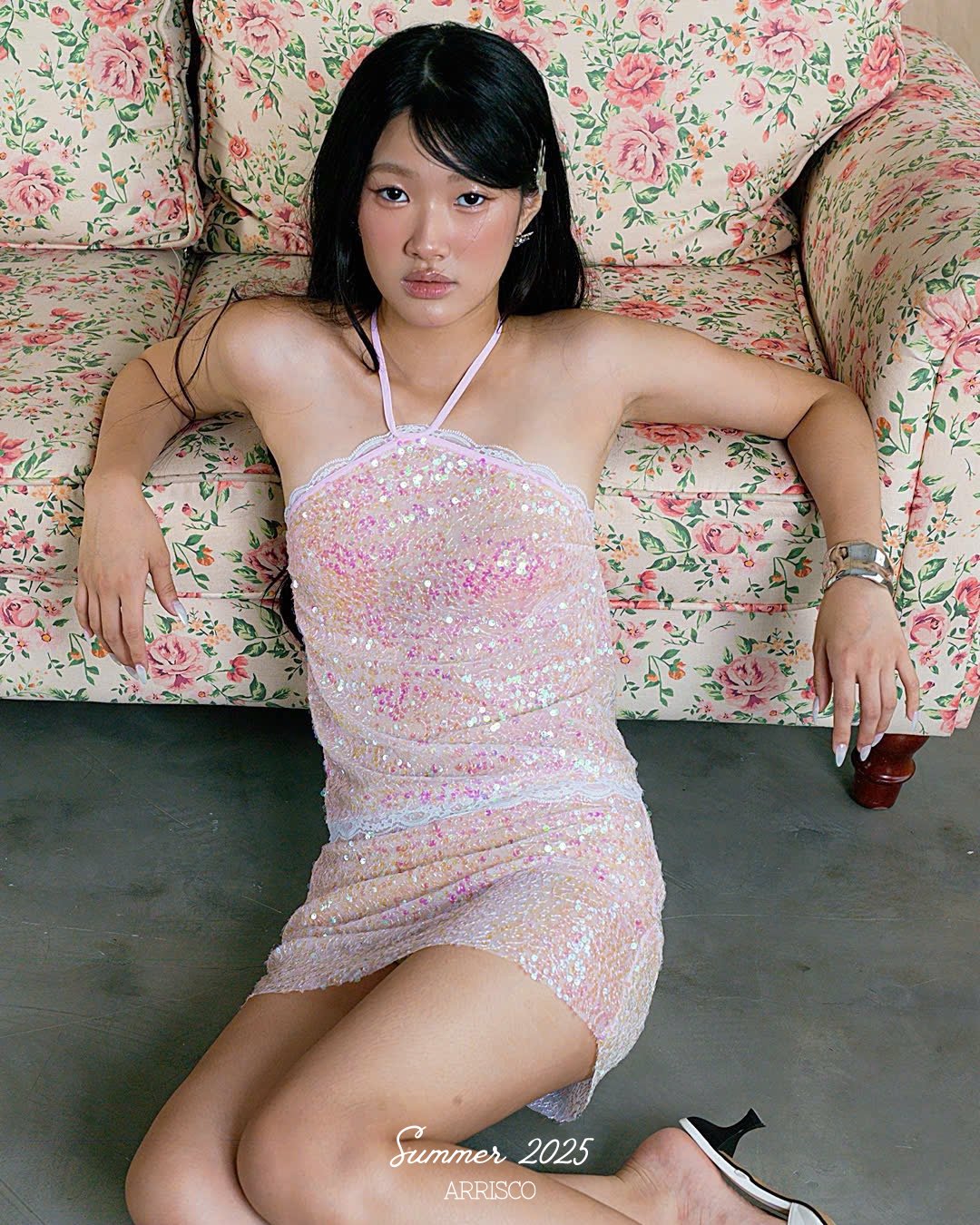


You're probably here because you saw a dress online that looked amazing on someone else and wondered, “Wait, what makes that a bodycon dress?” Not just tight. Not just fitted. Something about it looks polished, sculpted, and intentional.
That difference matters.
A real bodycon dress definition goes far beyond “a tight dress.” The best versions are built with stretch engineering, fabric recovery, and silhouette control in mind. They're designed to follow your shape in a way that feels sleek, not random. Once you understand that, shopping gets easier, styling gets smarter, and the whole category makes a lot more sense.
The Power of the Perfect Silhouette
You know the moment. You're scrolling, you stop on a look, and the dress seems to do everything at once. It sharpens the outline, holds its shape, and makes the wearer look confident without looking overworked.
That's the appeal of bodycon.

A lot of shoppers assume the magic is in the cut alone. It isn't. The silhouette works because the dress is meant to stay close to the body while still moving with it. That's why two dresses can look similar on a hanger but feel completely different once you put them on.
Why the look feels so powerful
A good bodycon dress doesn't fight your shape. It traces it.
That's why I always describe it as a dress with intention. The fit is close, yes, but the better versions feel supportive rather than stiff. They create a clean line from bust to hem, and that line reads as self-assured.
If you're still figuring out which silhouette will feel best on you, a quick read on how to determine your body shape can make bodycon shopping far less confusing.
Bodycon works best when the dress follows your proportions instead of asking your body to adapt to the dress.
More than a trend piece
The reason this style keeps returning is simple. It combines fashion impact with wearability. You can choose something sleek and minimal, something ruched and forgiving, or something highly sculpted and dramatic. Same family, different energy.
That's also why the bodycon dress definition deserves a closer look. If you only think “tight dress,” you miss the full story. And this narrative is much more interesting: fashion history, textile performance, and fit technology all meeting in one silhouette.
What Exactly Makes a Dress Bodycon
The clearest definition starts with the word itself. Bodycon comes from body-conscious. In fashion, that means a dress designed to acknowledge the body's shape and stay close to it, rather than hanging away from it.
That doesn't mean every fitted dress qualifies.
The core definition
A true bodycon dress is built from stretch fabric that hugs the body from bust to hem. The fit should feel smooth and responsive, not merely small. People often misunderstand this distinction: a dress can be skin-tight and still not be bodycon if the fabric and structure aren't doing the sculpting work.
The technical distinction matters. According to this breakdown of bodycon fabric architecture, bodycon dresses typically use lightweight jersey knits in the 180 to 250 GSM range with 200 to 300% stretch. That high elasticity creates the signature second-skin effect.
Supportive hug versus tight squeeze
The simplest definition is:
- A tight squeeze feels restrictive, pulls at seams, and often creates bunching.
- A supportive hug stretches, recovers, and contours without looking strained.
That second effect is what bodycon is aiming for.
The same source notes that this stretch-driven sculpting creates contour through differential tension zones, and it can produce visible shape enhancement, including an average 5 cm hip enhancement on average figures. That's why a well-made bodycon dress can look sleek even when the design itself appears minimal.
Practical rule: If a dress clings but doesn't recover, it's fitted. If it contours and keeps its shape, it's moving into bodycon territory.
What to look for when shopping
If you're scanning a product page, pay attention to the construction language. Useful clues include:
- Stretch knit fabric: Jersey and similar knits are common bodycon foundations.
- Close fit from bust to hem: The silhouette should stay consistent, not taper oddly or flare accidentally.
- Shaping seams or panel lines: These help guide the eye and support the contour.
- Balanced surface tension: The fabric should lie flat, not ripple.
For shoppers comparing shorter silhouettes, this edit of chic mini dresses with effortless trendy looks can help you spot when a mini dress is bodycon and when it's just narrow-cut.
The engineering piece most people miss
Fashion people often talk about silhouette as if it's pure styling. It isn't. It's engineering.
Bodycon depends on stretch behavior, fabric weight, and how the garment distributes tension across the body. That's why the bodycon dress definition belongs as much in a fabric conversation as it does in a style conversation.
The Origins and Evolution of Body Conscious Style
Bodycon has history. Strong history.
The term bodycon was formally coined in the 1980s, and that timing makes sense. Fashion was becoming bolder, more shape-aware, and more interested in clothes that interacted with the body instead of draping over it. According to this history of inclusive bodycon fashion, Azzedine Alaïa is widely recognized as the “King of Cling” and the father of the bodycon dress.

Alaïa changed the silhouette
Alaïa presented his influential collection in Paris in 1986. That moment matters because it helped establish the idea that a clingy silhouette could also be refined, architectural, and luxurious. His work wasn't about random tightness. It was about line, proportion, and knit mastery.
That's still the best way to understand bodycon today. The silhouette became iconic because it celebrated curves through design discipline.
Where Hervé Léger fits in
Many people conflate bodycon and bandage, but fashion history is more layered than that. Hervé Léger is often credited with inventing the bandage dress in 1989, yet he studied under Alaïa. That connection is important.
Bandage took the body-conscious idea and pushed it into a more structured direction. Bodycon stayed broader. It became the category. Bandage became one specific, more compressed expression within that family.
If you enjoy tracing how a single silhouette evolves across decades, this fashion history timeline gives useful context for seeing bodycon as part of a bigger style conversation.
From runway statement to pop culture staple
The modern bodycon dress entered fashion consciousness in 1989 and reached peak popularity through the 1990s, according to the same historical source. That decade locked in the silhouette's identity as confident, nightlife-ready, and unapologetically visible.
Then came the next big wave.
The silhouette had a major resurgence from 2006 to 2012, when it became an unofficial after-dark uniform for high-profile celebrities including Kim Kardashian and Rihanna. That era reintroduced bodycon to a new generation, but with a more mainstream twist. It wasn't just runway or clubwear anymore. It became a staple in contemporary fashion culture.
The reason bodycon keeps surviving trend cycles is that it adapts. The idea stays the same, but fabric, styling, and attitude keep shifting with the decade.
Today, that evolution continues through smarter knits, better recovery, more inclusive design thinking, and e-commerce tools that help shoppers predict fit before buying.
Bodycon vs Bandage vs Sheath A Clear Comparison
Most style confusion arises as people see a close-fitting dress and call it bodycon, yet three different dress types often get lumped together: bodycon, bandage, and sheath.
They don't behave the same way on the body.

The fast distinction
- Bodycon hugs and contours through stretchy knit fabric.
- Bandage shapes more firmly through thicker, strip-based construction.
- Sheath follows the body more cleanly and calmly, usually without heavy cling.
That sounds simple, but fit fears can make the whole category feel intimidating. A 2025 Vietnam fashion survey summary reports that 68% of women aged 18 to 35 in HCMC avoid bodycon due to fit fears, even though 82% want the style for the confidence boost. That gap tells you the problem isn't only taste. It's clarity.
Side-by-side comparison
| Feature | Bodycon Dress | Bandage Dress | Sheath Dress |
|---|---|---|---|
| Fabric | Stretch knit, often jersey-based | Thicker elasticated strips or heavy structured knit | Usually woven fabric with limited stretch |
| Construction | Continuous close-fit silhouette | Built for stronger hold and sculpting | Clean, tailored outline |
| Feel on the body | Flexible, contouring, second-skin effect | Firm, compressed, supportive | Fitted but less clingy |
| Visual result | Smooth curve emphasis | More dramatic shaping | Polished, streamlined elegance |
| Best for | Day-to-night styling, layering, versatile dressing | High-impact evening looks | Office, events, classic dressing |
A quick visual can help if you prefer to compare silhouettes at a glance.
The fit myth that needs to go
A lot of people still think bodycon is “for one body type.” That idea survives because shoppers often buy the wrong fabric, the wrong size, or the wrong subcategory.
Here's what usually works better:
- If you want flexibility: start with a classic knit bodycon.
- If you want more hold: choose a structured bandage-style option.
- If you want definition without cling: go with a sheath.
The smartest question isn't “Can I wear bodycon?” It's “Which version gives me the kind of support and shape I want?”
Once you compare the construction, the category stops feeling mysterious. It becomes a fit decision, not a confidence test.
Finding Your Perfect Fit Fabrics and Sizing in 2026
If you only remember one thing while shopping for a bodycon dress, make it this: fit starts with fabric.
The bodycon look depends on stretch, yes, but stretch alone isn't enough. The dress also needs recovery. Recovery is what helps the fabric spring back instead of bagging out after movement, sitting, or hours of wear.

The fabric numbers that matter
According to this guide to finding the perfect fit for a bodycon dress, bodycon dresses require a minimum of 5 to 10% spandex or elastane to achieve a recovery rate above 90%. That recovery helps prevent sagging.
The same source adds that 8 to 12% elastane increases compression, and that e-commerce brands should specify 4-way stretch with more than 95% recovery to support accurate virtual try-on tools and more consistent fit for global customers.
That's a major shift in how fashion is sold. Product pages aren't just showing color and silhouette anymore. They're increasingly translating fabric performance into sizing confidence.
What to check on a product page
When I'm reviewing a bodycon dress online, I scan for these details first:
- Fiber content: If elastane or spandex is missing, I'm cautious.
- Stretch direction: “4-way stretch” is usually more promising than vague “stretch fabric” wording.
- Fabric feel clues: Ribbed knit, compact jersey, or double-layered construction usually signal better structure.
- Recovery language: If the brand mentions shape retention, that's a good sign.
Better bodycon shopping starts when you stop asking only “Is it stretchy?” and start asking “Will it recover?”
Sizing without guessing
A lot of returns happen because shoppers use old measurements, pull the tape too tight, or compare one brand's size label to another brand's body chart. A simple fix is to remeasure before ordering. If you need a refresher, this Display Guru guide to body measurements is a useful reference for getting bust, waist, and hip measurements accurately.
For international orders, size conversion is the next friction point. A brand may list one size in local terms while your closet reflects another system entirely. A practical international clothing size conversion chart can save you from buying by instinct instead of by measurement.
A smarter 2026 fit mindset
The modern bodycon shopper has better tools than past generations did. Fabric specs, close-up texture shots, stretch notes, fit videos, and virtual try-on systems all make the category easier to decode.
Use them.
Don't size down to force the look. Don't rely on the model's fit alone. Don't ignore fiber composition. Bodycon looks best when the garment works with your body's dimensions and movement. That's not less glamorous. That's the whole point.
How to Style Your Bodycon Dress for Any Occasion
One reason bodycon keeps its relevance is versatility. The global bodycon dress market was valued at $3.2 billion in 2024, and part of that commercial strength comes from how well the style moves across occasions, according to this bodycon dress market overview. The same source notes that mini bodycon dresses are a growing segment among consumers aged 18 to 35 for social events, while maxi bodycon dresses serve formal occasions.
That range tells you something useful. Bodycon isn't locked into one mood.
Daytime bodycon that feels easy
For daytime, keep the dress sleek and let the styling relax it.
A ribbed midi bodycon with white sneakers and a denim jacket reads current without trying too hard. If you prefer cleaner lines, swap the jacket for an oversized blazer and simple hoops. The trick is contrast. The fitted base looks more effortless when the outer layer has structure or volume.
Work and polished daytime layering
Office-friendly bodycon styling is mostly about coverage, fabric, and restraint.
Try a high-neck or midi-length bodycon with a long cardigan, trench, or structured blazer. Choose shoes that ground the outfit rather than glam it up too fast. Loafers, sleek boots, or closed-toe heels all help. Keep accessories refined and let the silhouette do the talking.
A polished outfit also depends on grooming and confidence. If you're building your full look rather than just the dress, this girl's guide to a complete glow up has useful ideas on pulling style, mindset, and presence together.
For work or daytime, bodycon looks strongest when one element says “fitted” and the rest say “balanced.”
Night looks that lean into the silhouette
Bodycon becomes dramatic here.
A mini bodycon with heels, sculptural earrings, and a compact clutch is a classic going-out formula for a reason. If your dress is simple, you can push the accessories further. If the dress already has cutouts, shine, or bold color, edit the rest.
For formal events, a maxi bodycon creates a long, uninterrupted line that feels elegant rather than overt. Add a sleek sandal, a cuff, and a clean beauty look. The result is less nightclub, more modern occasionwear.
Three quick styling formulas
- For brunch: Midi bodycon + sneakers + denim jacket.
- For desk to dinner: Long-sleeve bodycon + blazer + ankle boots.
- For evening: Mini or maxi bodycon + heels + statement jewelry.
The bodycon dress definition includes versatility because the silhouette changes personality fast. That's what makes it such a useful piece. You're not styling a one-note dress. You're styling a close-fit foundation.
Protect Your Investment Care and Maintenance Tips
A good bodycon dress relies on elastic performance, so care matters. If the fabric loses stretch or recovery, the silhouette changes. That's why maintenance isn't boring. It's part of preserving the fit you paid for.
Washing and drying
Start with the care label. If you want a quick refresher on symbols and fabric instructions, this guide on how to read clothing care labels makes the basics easy to decode.
Then follow a simple routine:
- Wash gently: Cold water is usually the safest choice for stretch fabrics.
- Use mild detergent: Harsh formulas can wear down elasticity faster.
- Skip high heat: Heat is rough on elastane blends.
- Air dry: Dryers can shorten the life of a bodycon dress fast.
Storage habits that help
Hanging can work for some garments, but stretchy dresses often do better folded neatly to avoid pulling over time.
Also give the dress a rest between wears. If it's a high-recovery fabric, that downtime helps it return to shape more fully.
Treat bodycon like performancewear with fashion credentials. The better you care for the fabric, the better the silhouette keeps performing.
A few careful habits keep the dress looking smooth, supportive, and ready to wear again.
If you want to put all of this into practice, explore Arrisco, a contemporary Ho Chi Minh City fashion brand creating modern silhouettes for shoppers who care about fit, style, and smart online buying.