




Overview
Fashion is a vibrant interplay of culture, art, and society, influenced by historical contexts, visual arts, and cultural heritage. Social media and influencers democratize trends, while celebrities use their platforms to advocate for cultural pride. Street fashion showcases diverse styles rooted in local environments, and shopping experiences increasingly reflect cultural authenticity. As we move forward, expect more eclectic styles that blend tradition with modernity, emphasizing sustainability and cultural appreciation. Embrace these influences to express your individuality through fashion.
Frequently Asked Questions
1. How does culture influence contemporary fashion?
2. What historical factors have shaped the evolution of fashion?
3. What is the role of social media in contemporary fashion trends?
4. How do celebrities impact cultural fashion?
5. What is the significance of supporting local artisans in fashion?
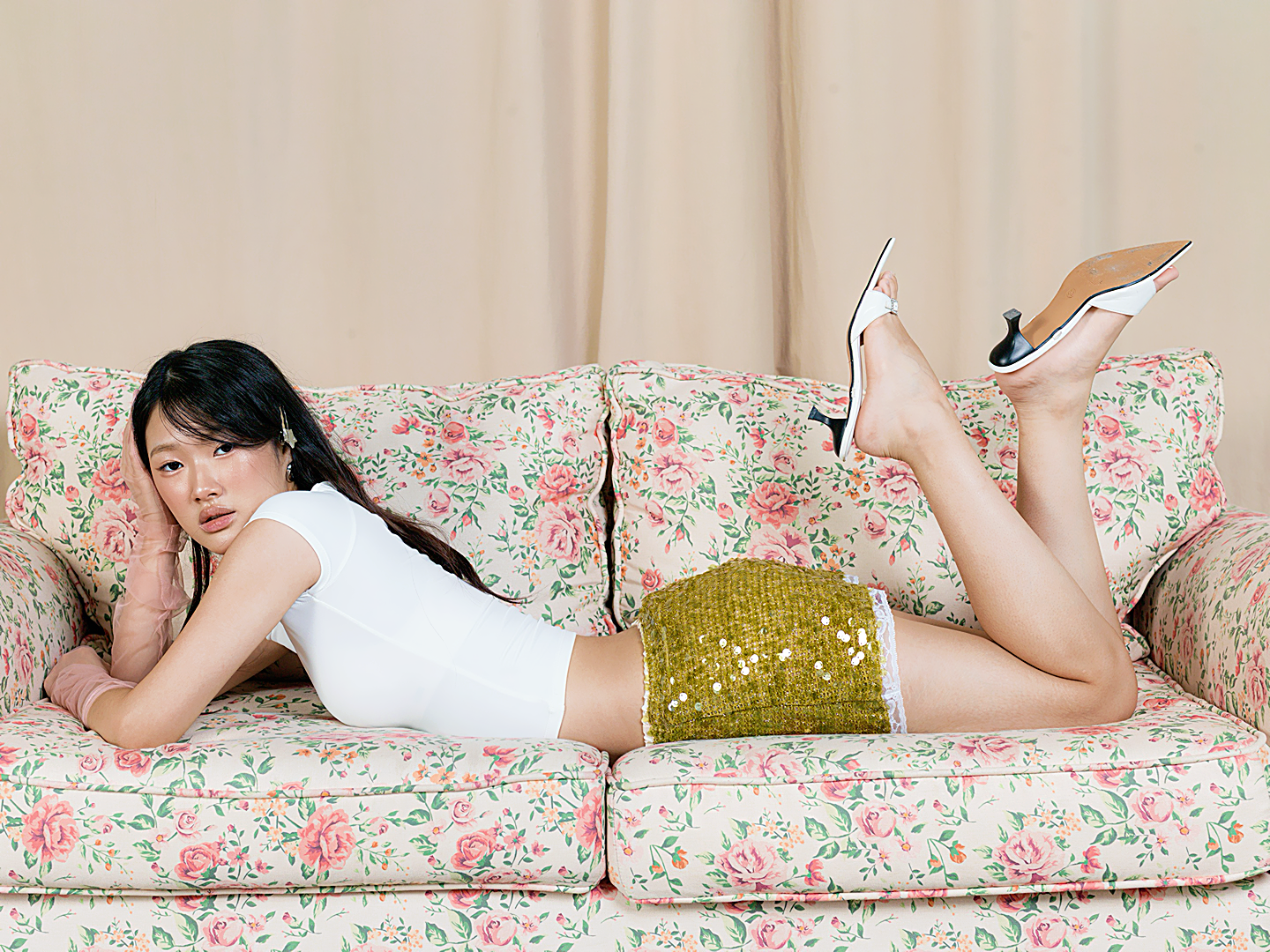
Fashion is not just about fabric and threads; it is a vibrant tapestry woven from the influences of culture, art, and society. In contemporary times, the dynamics of culture have evolved to play a significant role in shaping fashion trends, creating a rich landscape of styles that reflect our diverse world. From the streets of Tokyo to the runways of Paris, fashion draws inspiration from various cultural elements, often giving birth to mesmerizing pieces like the iconic sequin skirt. Let’s delve deeper into how culture influences contemporary fashion, fueling creativity and setting trends!
The Historical Lens: Culture's Footprint on Fashion
Historically, fashion has always been a mirror of the prevailing cultural ethos. Societal changes, economic developments, and technological advancements are just a few factors that have shaped the evolution of style over the decades. From the flamboyance of the Rococo era to the minimalism of the 1990s, each period in fashion is colored by the cultural influences of its time.
Visual Arts as Inspiration
The relationship between visual arts and fashion cannot be overstated. Movements such as Impressionism, Surrealism, and modern avant-garde have inspired countless designers to channel their creativity into wearable art. Think about how impressionist patterns bring fresh life into fabric designs or how surreal motifs add whimsy to outfits. When fashion designers utilize elements from various art movements, they not only create visually stunning pieces but also tell a story. The sequin skirt, for instance, might gleam like the stars on a Van Gogh canvas, infusing elegance with an artistic flair.
Cultural Heritage and Traditional Wear
As the world becomes increasingly interconnected, there is a renewed appreciation for cultural heritage in fashion. Designers often look to traditional garments, infusing them with a modern twist. This blend not only honors history but also introduces rich textures, colors, and silhouettes that have a narrative behind them.
- Kimonos: Traditionally a symbol of Japanese culture, designers pair them with contemporary cuts to create striking overcoats.
- Kaftans: With Middle Eastern roots, the flowing fabric has gained popularity in Western fashion, often appearing in vibrant prints and comfortable styles.
- African Prints: Bright, patterned fabrics from Africa are increasingly seen in collections worldwide, showcasing cultural pride and aesthetic beauty.
This revival of cultural heritage is neither appropriation nor a mere trend. It celebrates the beauty and diversity of cultural identity while enhancing the local economy through artisan support and storytelling.
The Social Media Revolution: A New Era of Trends
Social media has revolutionized the way trends are created and shared. Platforms like Instagram, TikTok, and Pinterest allow individuals from diverse backgrounds to showcase their style and cultural interpretation of fashion. This democratization of fashion has birthed micro-trends, introducing unique styles that resonate with various communities.
The Influence of Influencers
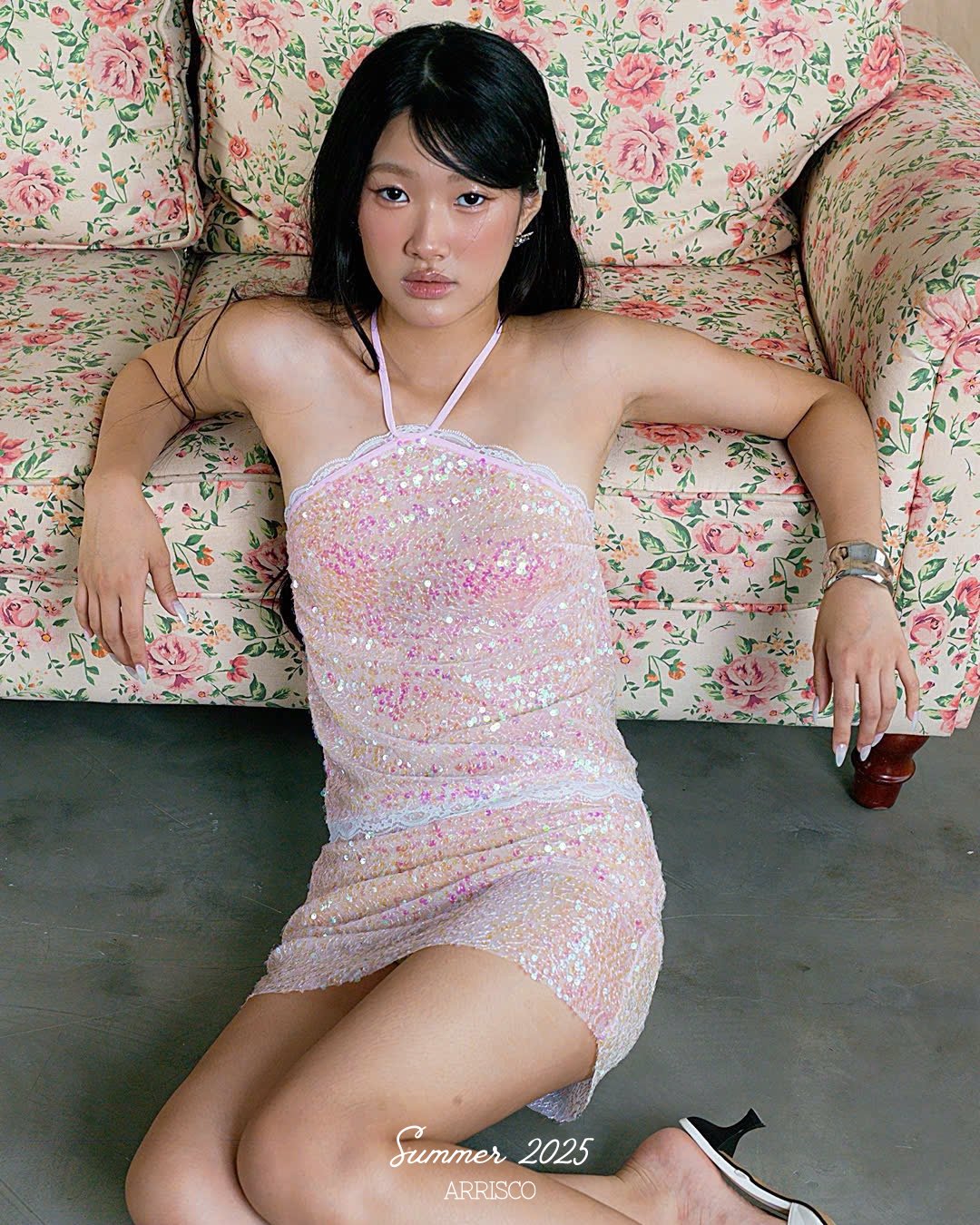
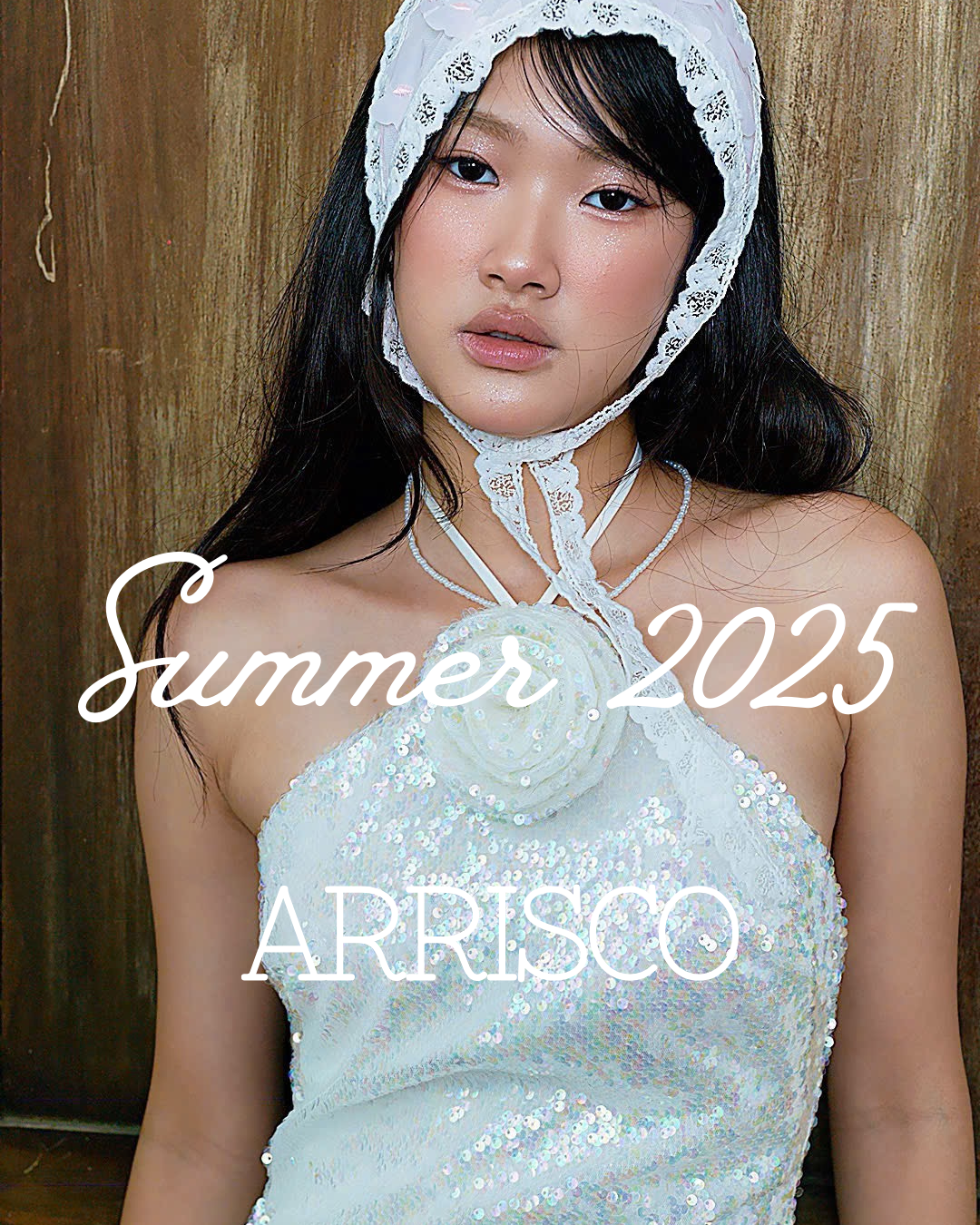
Fashion influencers play a vital role in shaping contemporary style. With every post they make, they bring attention to different components of culture, whether it’s a braided hairstyle or the inclusion of colors and patterns tied to cultural significance. For example, an influencer wearing a sequin skirt might pair it with a traditional crop top, merging modern glam with cultural roots. This fusion reflects broader acceptance and celebrates the global melting pot that fashion has become.
Hashtag Movements and Cultural Consciousness
Hashtags like #FashionForFuture or #SustainableFashion raise awareness about environmental issues and cultural sensitivity. Growing consumer consciousness demands that brands consider their impact on culture and the world. As consumers, we also play an essential role in influencing the industry by supporting ethical brands that align with cultural appreciation and sustainability. Our choices reflect our values, promoting styles that embrace sustainability and social responsibility.
The Celebrities' Role in Cultural Fashion
Celebrities have long been style icons, but their role in bridging culture and fashion has reached new heights. Through fashion statements on red carpets or casual outings, they capture the attention of millions, often reflecting cultural shifts. When a celebrity chooses to wear a traditional outfit or incorporates elements of their heritage into their appearance, it sends a powerful message.
Fashion as a Platform for Social Change
Many celebrities leverage their platforms to advocate cultural pride and social justice. From promoting diversity in fashion shows to supporting brands that prioritize ethical production, the influence is profound. Consider how a designer might use their collection to highlight issues like inequality or cultural representation, drawing attention to the narratives that often remain untold.
- Rihanna's Fenty: This brand showcases diversity in models and sizes, pushing for representation in a historically exclusive industry.
- Beyoncé's Coachella Performance: Her homage to HBCU culture, through fashion and performance, ignited pride and awareness.
When celebrities engage authentically with culture, they not only set trends but also drive meaningful conversations about identity and expression.
The Rise of Street Fashion: A Cultural Fusion
Street fashion represents a melting pot of cultural influences, showcasing a mix of global styles while remaining rooted in local environments. The sidewalks of cities like New York and London are not just runways but cultural canvases where individuals express their identity through unique ensembles.
Urban Subcultures Shaping Fashion
From punk to hip-hop to skate culture, urban subcultures have played a significant role in the evolution of fashion. Each subculture has its unique aesthetic, often borrowing elements from various cultural backgrounds. This fusion of styles yields innovative trends, such as oversized clothing, colorful sneakers, and edgy accessories.
Moreover, the emphasis on individuality within street fashion means that items like the sequin skirt can seamlessly blend with other styles, transforming everyday looks into bold statements. It’s about making the typical extraordinary, fostering a culture of self-expression through personal style.
Fashion Weeks and Cultural Showcases
Fashion weeks across the globe, from Milan to Tokyo, now incorporate cultural showcases, honoring regions and the inspiration behind designs. This integration acknowledges cultural roots while allowing designers to play with aesthetics in innovative ways. As designers like Issey Miyake or Vivienne Westwood continue to influence the industry, they pave the way for new voices to emerge, encouraging unique interpretations of culture in fashion.
Shopping: A Cultural Experience
As consumers, it's essential to recognize how culture influences our shopping habits and preferences. The way we shop today reflects a global mentality; we seek diversity in styles, colors, and designs. Retailers are increasingly curating collections that celebrate cultural authenticity, thereby resonating more deeply with consumers.
Support for Artisans and Local Communities
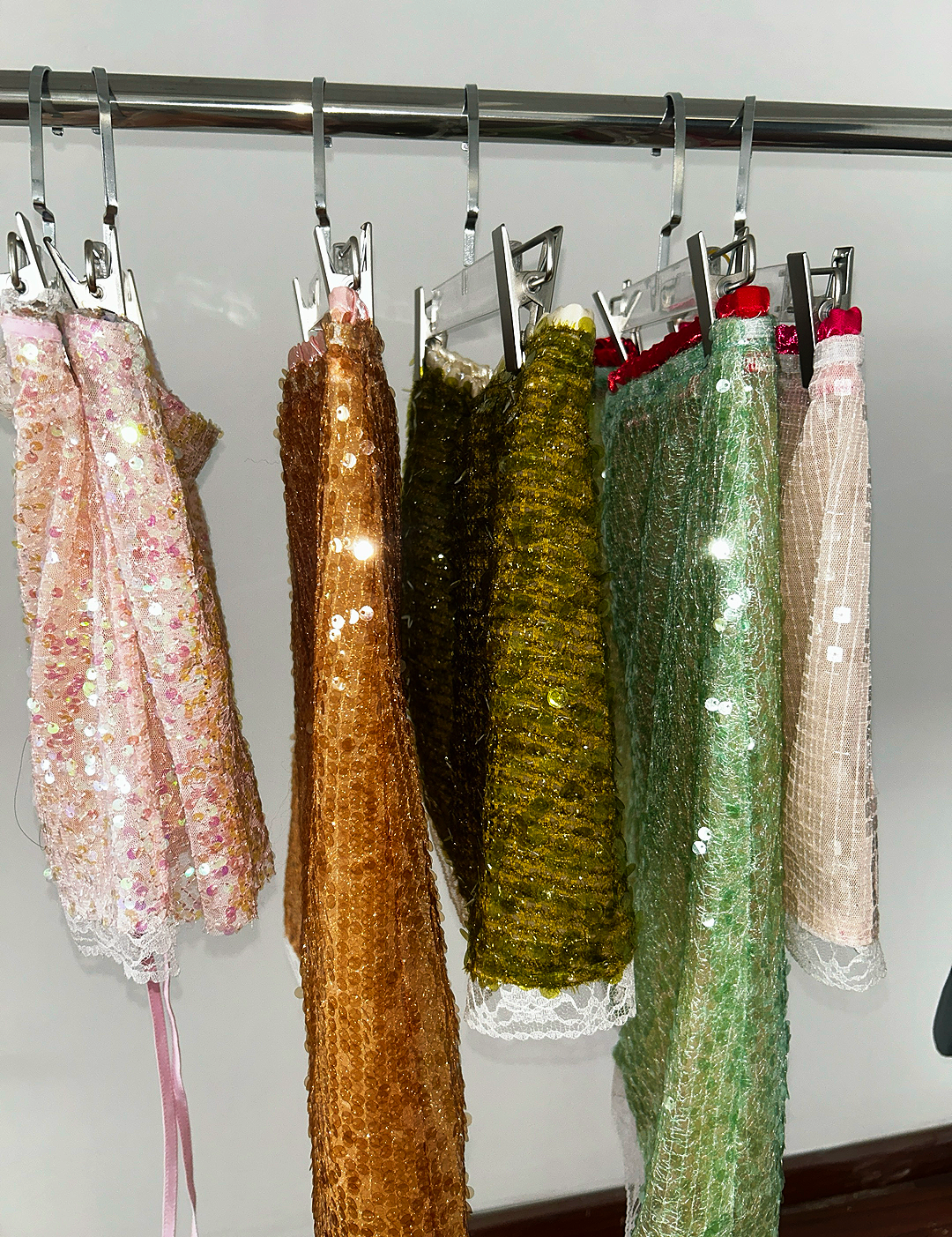
Interest in ethical fashion amplifies the desire for shopping experiences that connect consumers with local artisans. When you purchase a hand-woven basket or a {sequin skirt} made by local craftspeople, you contribute to cultural preservation and sustainability. This practice not only promotes fair trade but also enriches the consumer experience, allowing individuals to connect with the culture behind their purchases.
The Digital Marketplace: Global Access
The rise of e-commerce platforms empowers consumers to access fashion from around the globe. Shopping online offers an opportunity to explore and appreciate cultural diversity, as brands now embrace inclusion in their collections. For example, finding unique pieces like a sequin skirt or traditional wear from various cultures no longer requires a passport. The digital marketplace brings authentic global fashion directly to your doorstep.
A Fabric of Unity: Future Trends and Cultural Influence
As we look toward the future, it's fascinating to consider how cultural influences will continue to mold contemporary fashion. With the world becoming increasingly interconnected, fashion will thrive on ideas that celebrate differences and embrace unity.
Tech’s Role in Fashion Fusion
The rapid advancement of technology encourages innovative ways to merge culture and fashion. Think about 3D printing or virtual reality runway shows showcasing cultural styles. Innovative platforms are emerging where designers can share their heritage while spotlighting how technology can reinvent classic looks, reaching an audience far beyond their own geographic boundaries.
Eclectic Styles: Embracing the Global Influences
Expect to see more eclectic styles emerge in fashion, as designers experiment with traditional elements and contemporary aesthetics. The future embraces combinations that might previously have seemed unlikely, leading to unexpected yet beautiful results. Pieces such as the *sequin skirt* will likely blend with traditional motifs, taking center stage as symbols of creativity and cultural dialogue.
Furthermore, as the consumer demand for sustainability rises, we anticipate culturally inspired collections that stay true to ethical production, paving the way for future generations of artists to continue this essential dialogue between fashion and culture.
Join the Cultural Fashion Movement!
Fashion is a dynamic reflection of who we are, shaped by our experiences, artistry, and culture. As we continue to privilege cultural influences in our style choices, we not only enhance our wardrobes but also celebrate the stories woven into every thread. From the runways to the streets, culture shapes fashion, while fashion inspires cultural appreciation. So why not embrace the influence, incorporate it into your wardrobe, and express your individuality? Your style can tell the world who you are, one fabulous piece at a time!