





Overview
Fashion is deeply influenced by cultural elements, reflecting diverse histories and traditions. It thrives on the interplay of global styles, with traditional attire inspiring modern designs and street fashion embodying cultural identity. Social media accelerates the globalization of trends, while color symbolism and cultural representation shape consumer preferences. The future of fashion will blend tradition with innovation, emphasizing sustainability and inclusivity, celebrating the rich tapestry of culture within the fashion industry.
Frequently Asked Questions
1. What role does culture play in fashion design?
2. How does traditional attire inspire modern fashion?
3. What impact has street fashion had on cultural identity?
4. How do social media and globalization affect fashion trends?
5. In what ways can fashion embrace sustainability through cultural practices?
Fashion is not just about clothing; it's a vibrant tapestry woven with the threads of various cultures, traditions, and histories. As trends shift and evolve, one thing remains constant: the profound impact of cultural influences on fashion design. From the intricate patterns of tribal wear to the elegance of haute couture, cultural elements play a pivotal role in shaping what we wear and how we express ourselves. In this blog post, we'll dive into the fascinating world of cultural influences in fashion design, highlighting how different regions and traditions inspire the styles we embrace today.
The Roots of Fashion: Understanding Cultural Context
To truly appreciate how culture influences fashion, we must first understand what culture is. Culture encompasses the beliefs, practices, and artistic expressions of a group of people. It reflects their identity, values, and experiences. In fashion, cultural context is essential, as it informs designers’ choices regarding color, fabric, silhouette, and accessory use.
The Global Melting Pot of Fashion
In our interconnected world, fashion is a global melting pot. Influences flow across borders as designers and consumers alike become inspired by different cultures. This amalgamation sparks creativity and innovation, resulting in unique styles that resonate with diverse audiences. The fashion industry thrives on this cross-pollination of ideas, leading to dynamic designs that pay homage to various cultural heritages.
The Role of Traditional Attire in Modern Design
Traditional attire is one of the most prominent sources of inspiration for fashion designers. Many contemporary collections incorporate elements from cultural garments, showcasing historic craftsmanship while adapting them for the modern consumer.
Patterns and Textiles
- Indigenous Patterns: Many fashion designers draw inspiration from Indigenous patterns and motifs. These designs often carry deep cultural significance, representing the beliefs and values of the community.
- Textiles from Around the World: Fabrics like batik from Indonesia, ikat from Central Asia, and the luxurious silks of China bring exotic flair to modern outfits.
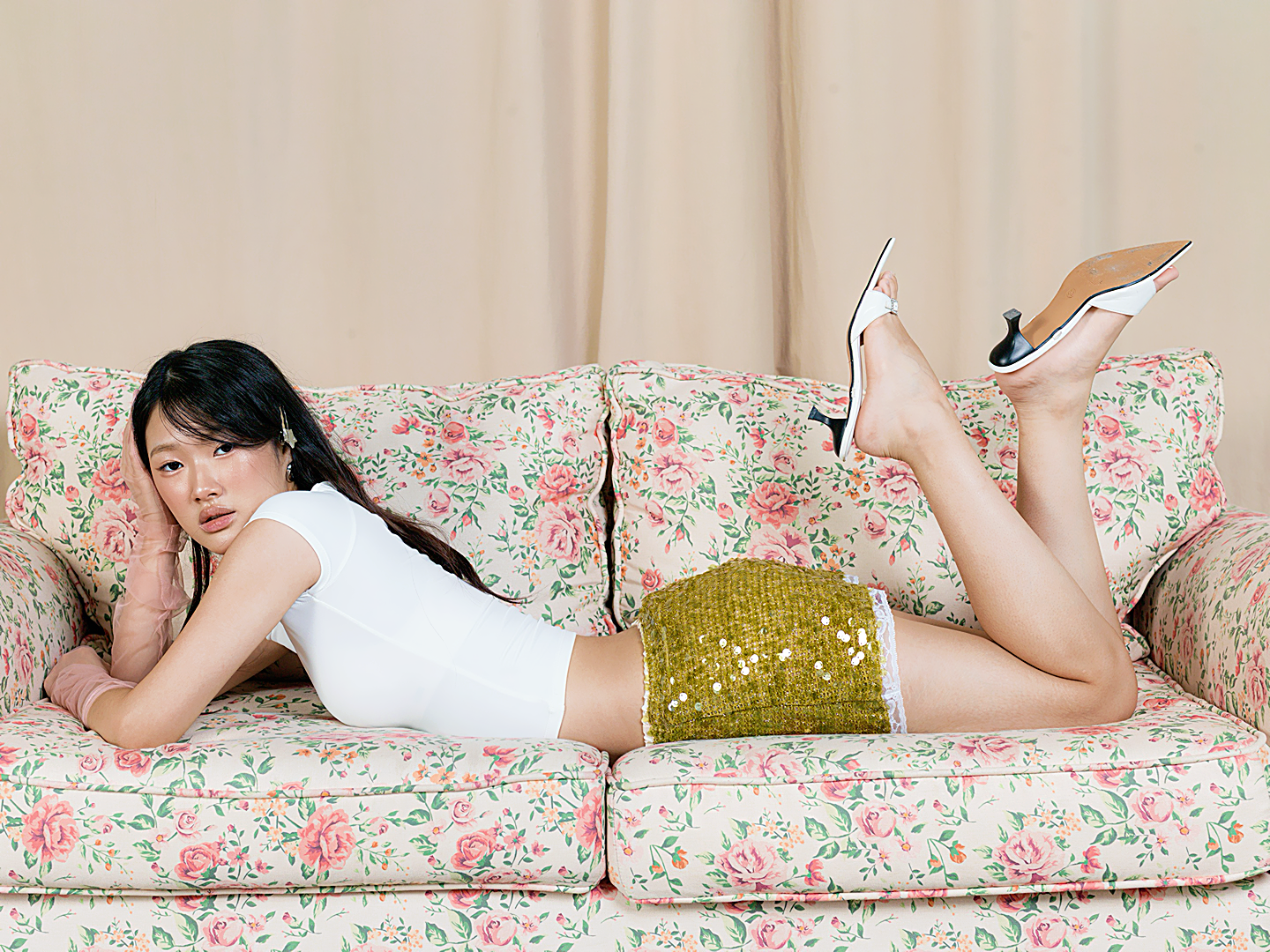
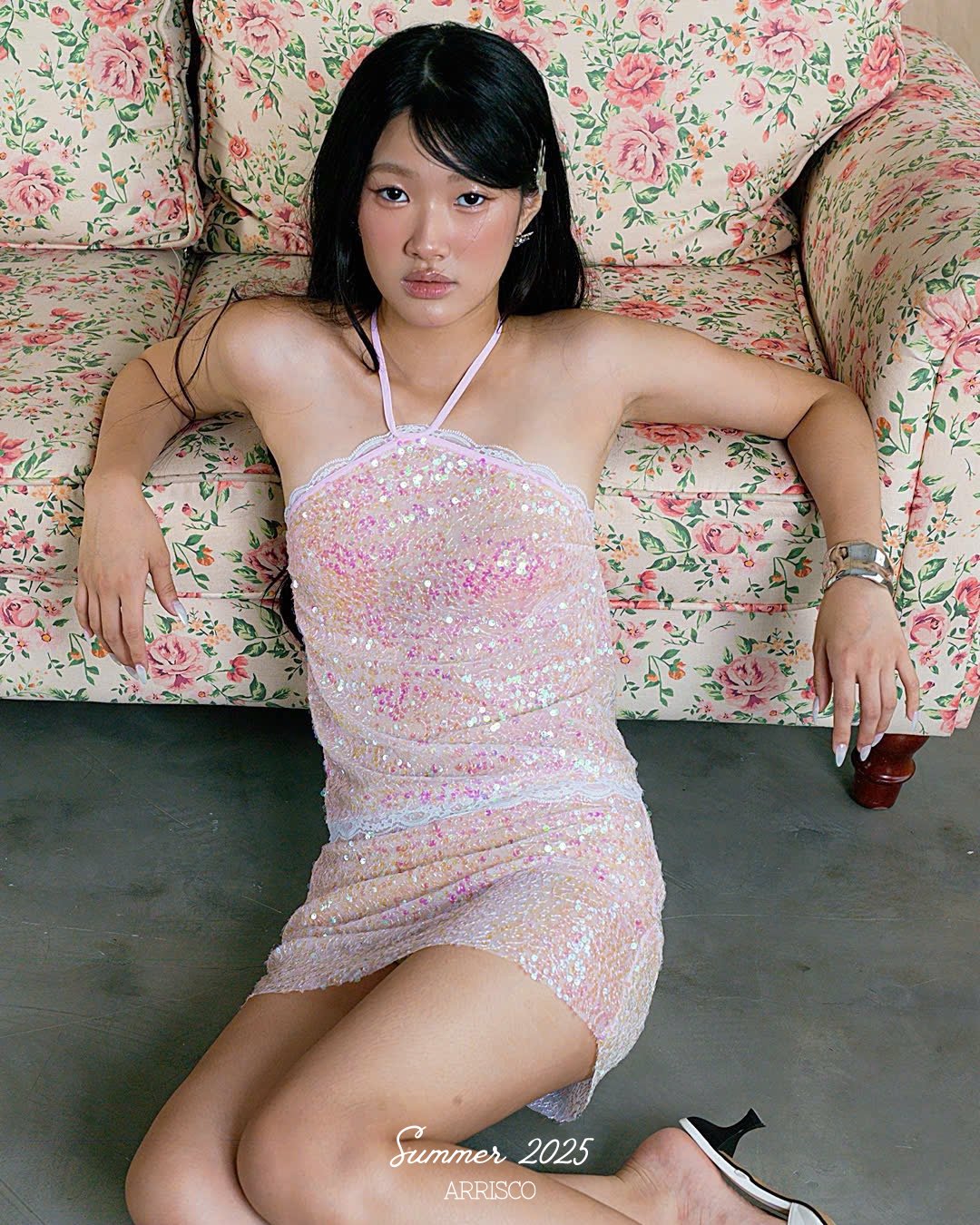
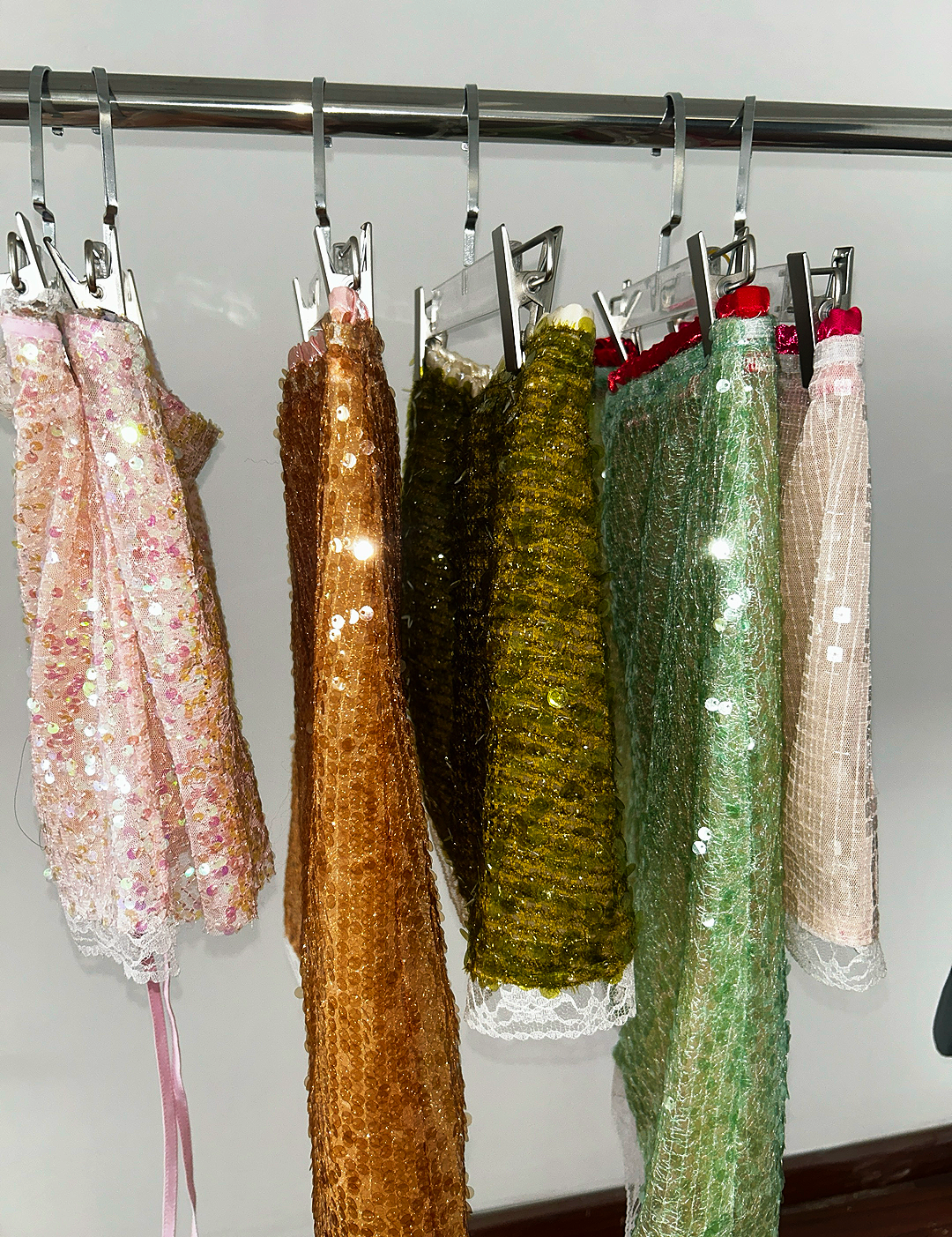
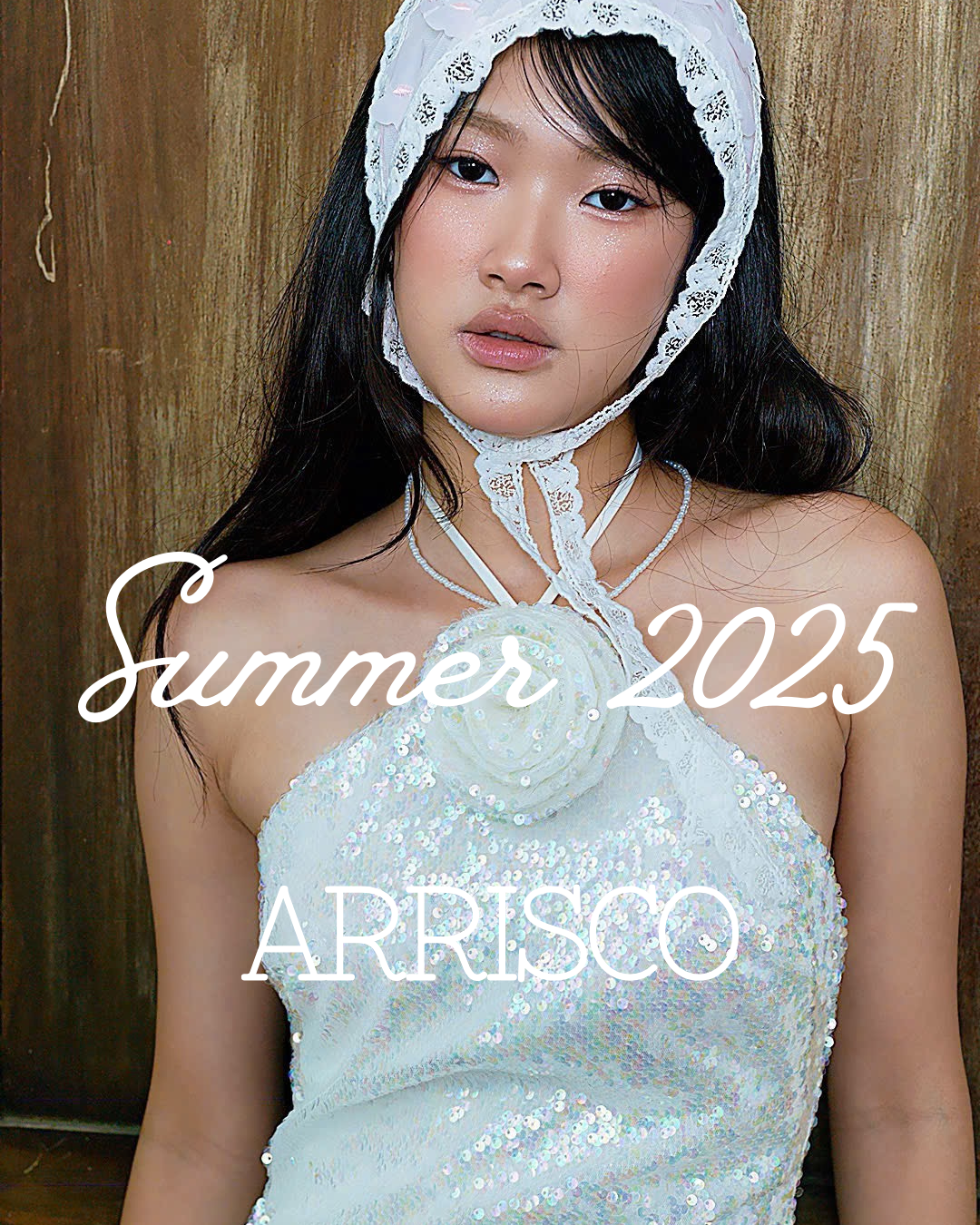
When incorporated thoughtfully into collections, these traditional fabrics create a sense of connection to cultural heritage while appealing to the fashion-forward thinker. An excellent example is the resurgence of the sequin skirt, which can be found adorned with intricate patterns that tell a story of tradition and modern glam.
Street Fashion: A Reflection of Cultural Identity
Street fashion is a powerful representation of cultural identity. Emerging from urban environments, it often reflects the socio-political landscape of a particular region. Modern designers look to streetwear as a canvas for expressing cultural pride, solidarity, and rebellion.
Hip-Hop and its Impact
The hip-hop culture has significantly influenced fashion trends worldwide. Baggy pants, oversized t-shirts, and lavish accessories became staples in the closets of many. Streetwear brands frequently incorporate elements from African American culture, shining a light on their roots and experiences.
Moreover, as hip-hop continues to evolve, so does its fashion. The sequin skirt has found its place in street wardrobe as designers infuse luxe embellishments into urban styles, challenging traditional norms and broaden the definition of street fashion.
The Globalization of Fashion Trends
The rise of social media has revolutionized how we consume fashion. Trends can go viral in an instant, thanks to influencers from various backgrounds showcasing their styles on platforms like Instagram and TikTok. This instant access to diverse cultures shapes consumer preferences and drives fashion trends faster than ever.
Global Influencers and Local Styles
With the help of social media, a model in Tokyo might inspire a designer in London, leading to a cross-cultural exchange that enhances fashion design. This globalization results in various influences converging, creating new niche markets and styles.
- Collaborations: Many designers collaborate with artists from different cultures, merging their unique aesthetics to produce something entirely captivating.
- Pop Culture References: Fashion is heavily influenced by pop culture, further diversifying the looks we see every day.
This allows classic pieces, like the sequin skirt, to be reimagined repeatedly, adapting to new cultural contexts while maintaining their historical significance.
Color Symbolism in Fashion
Colors evoke emotions and convey messages, often rooted in cultural significance. Understanding color symbolism is vital for designers aiming to create culturally sensitive collections.
Cultural Colors and Their Meanings
- Red: Often associated with love, passion, and good fortune, red takes center stage in many cultures and is frequently used in fashion to make a bold statement.
- Black: While black may symbolize mourning in some cultures, in others, it represents luxury and elegance, proving that context is key in fashion.
- White: Celebrated for its purity and new beginnings, white is a staple in many weddings around the world, influencing bridal wear trends.
Designers aware of color meanings can make informed decisions that resonate with consumers while respecting cultural representations. This thoughtfulness is what transforms a simple piece, like a stylish sequin skirt, into a statement piece packed with emotion and story.
Fashion Icons and Cultural Representation
Fashion icons can revolutionize how we perceive style and cultural representation. Their influence extends beyond mere aesthetics; they become cultural ambassadors, showcasing the beauty of their heritage through their fashion choices.
Breaking Stereotypes
As more fashion icons from diverse backgrounds rise to fame, they challenge stereotypes and promote inclusivity within the industry. By embracing cultural elements, these figures inspire change and encourage consumers to appreciate cultural diversity.
For instance, celebrity stylists may incorporate traditional garments or textiles into contemporary outfits, showcasing how fashion can move beyond boundaries. This trend ultimately enhances the fashion landscape and allows classic pieces, such as the sequin skirt, to be styled in fresh and unexpected ways.
Embracing Sustainability Through Cultural Practices
As the fashion industry grapples with environmental concerns, many designers turn to cultural practices that prioritize sustainability. Many Indigenous communities possess a deep understanding of sustainable practices, emphasizing the cyclical nature of materials and respect for the earth.
Eco-Friendly Solutions from Cultural Heritage
- Natural Dyes: Traditional dyeing methods using plants, minerals, and insects are making a comeback as consumers seek eco-friendly alternatives to synthetic dyes.
- Handcrafted Techniques: By embracing artisanal craftsmanship, designers can create unique pieces that celebrate cultural heritage while being sustainable.
Integrating these eco-friendly practices into modern design allows consumers to look fabulous without compromising environmental integrity. Designers, including those creating stunning sequin skirts, are now more conscious than ever about their materials and production processes.
The Future of Fashion: Continuing Cultural Evolution
As we look ahead, it’s clear that cultural influences will continue to shape the fashion landscape. With technology, globalization, and changing social attitudes, the world of fashion is constantly evolving.
The Fusion of Tradition and Innovation
We will see more innovative designs that fuse cultural elements with modern aesthetics. This synergy allows for creativity to flourish while honoring the past. Established designers will continuously seek inspiration from various cultures, leading to designs that are not only beautiful but also reflect the diversity of our world.
- Inclusivity in Fashion: As the industry admits more diverse voices, the clothing produced will more accurately represent the world's myriad cultures.
- Sustainable Practices: As sustainability becomes paramount in fashion design, we’ll see innovative ways to blend traditional practices with contemporary needs, ensuring future generations can enjoy the cultural and artistic treasures of our past.
Embracing cultural influences ensures that fashion remains fresh and relatable. Designers who appreciate and integrate these influences will reign supreme, fueling an industry that thrives on innovation, meaning, and style. So whether it’s about incorporating a vibrant sequin skirt into your wardrobe or exploring a whole new aesthetic, remember that fashion knows no boundaries—it’s a celebration of culture and creativity at its finest.
Fashion: A Cultural Canvas
At the end of the day, fashion is much more than mere fabric and thread. It tells stories, preserves history, and speaks to the human experience. By embracing cultural influences, we not only enrich our wardrobes but also deepen our understanding of who we are and where we come from. So next time you don that dazzling sequin skirt or sport a vibrant outfit, remember the cultural tapestry it represents and celebrate the beautiful fusion of styles that make the world of fashion so exciting.