

You've just arrived in Hanoi, and your shopping plan has already split into four directions. One option promises air conditioning, clear prices, and international labels. Another leads into a crowded night market where cash and bargaining matter. A third points toward a wholesale textile hub, while a quieter route takes you to independent boutiques, vintage racks, galleries, and experimental design studios.
The best answer to where to shop in Hanoi Vietnam depends on what you're buying, not just how famous the street is. Choose Trang Tien Plaza or Aeon Mall for polished fashion and easy transactions. Choose Dong Xuan Market for textiles, wholesale discovery, and sourcing conversations. Choose Hang Gai for Vietnamese silk and design, Chatolic Street for one-off vintage finds, and Yen Phu for art-led pieces that feel more like wearable design than ordinary clothing.
This guide matches all eight destinations to a clear shopping mission. You'll learn when to visit, where prices are more dependable, when bargaining makes sense, which payment methods to expect, how to check fabric and sizing, and what international buyers should confirm before paying for custom work or shipping.
1. Trang Tien Plaza
Trang Tien Plaza is the decisive pick for premium fashion shopping in central Hanoi. Set in the French Quarter, this multi-floor mall brings together fashion, accessories, and lifestyle brands in a polished, air-conditioned setting. It suits travelers who want a curated retail experience rather than the sensory overload of a traditional market.
Start with the directory before walking every floor. It'll help you identify fashion-focused boutiques quickly, especially if you're searching for contemporary Vietnamese labels alongside international designer collections. The ground-floor environment feels formal and brand-led, while the upper floors deserve closer attention from shoppers who want smaller boutique spaces and less predictable discoveries.
Shop for design, not just labels
Ask staff about Vietnamese designer collaborations, limited editions, and locally produced collections. Those conversations can reveal pieces that aren't obvious from the storefront, particularly if a boutique carries a rotating selection. You'll also get a better sense of fabric composition, care requirements, and whether a garment follows local or international sizing.
Visit on a weekday morning when you want focused service and easier browsing. The mall's central location makes it simple to pair with a walk through the French Quarter, but plan your purchases around your actual goal. Trang Tien Plaza is best for polished pieces, accessories, and premium presentation, not bargain hunting.
Best match: Choose Trang Tien Plaza when convenience, climate control, brand confidence, and a refined shopping environment matter more than negotiating the lowest price.

2. Old Quarter Night Market
The Old Quarter Night Market on Hang Dao Street is your answer for evening browsing, streetwear, accessories, and atmosphere. It operates on Friday, Saturday, and Sunday evenings, roughly from 6 PM to 11 PM, and becomes a pedestrian-only shopping format during those hours, as described in this guide to the Hanoi Old Quarter shopping schedule.
Arrive early in the evening if you want the strongest vendor selection and a little more room to move. Later, the market becomes less about carefully comparing garments and more about navigating crowds, lights, conversations, and tightly packed stalls. Clothing, accessories, and textiles dominate the experience, but quality varies sharply between sellers.
Bargain with a plan
Bring small cash denominations. Many small vendors operate on a cash-only basis, while established shops are more likely to accept cards, so don't assume the entire Old Quarter uses one payment system. Begin with a friendly offer, negotiate more confidently when buying several pieces, and walk away politely if the final price doesn't suit you.
Inspect seams, fastenings, fabric weight, and print alignment before paying. Ask whether a vendor makes the item directly or resells it, particularly if you're looking for local production rather than a mass-market souvenir. For a broader view of clothes shopping in Hanoi and Vietnam, compare several stalls before committing.
The market rewards repeat visits. A vendor who specializes in accessories may not be the right person for textiles, and a stall with attractive displays may not offer the best construction. Treat the first walk as research, then return to the sellers whose products and communication feel reliable.

3. Dong Xuan Market
Choose Dong Xuan Market when your mission is textile discovery, wholesale buying, or small-batch sourcing. This large covered market operates daily from approximately 6:00 AM to 6:00 PM, according to the published Dong Xuan Market opening information. The surrounding area can also have separate weekend or night activity, but the daytime market is the place to focus on structured buying.
The market is wholesale-oriented and heavily cash-based. That changes the rhythm completely. You're not entering for a relaxed, boutique-style browse. You're comparing fabric, finished garments, accessories, and supplier relationships, often in sections where sellers expect buyers to know what they need.
Visit during the morning, ideally between 7 AM and 10 AM, when vendor availability is strongest. Research the market layout before arriving, save product photos on your phone, and use a translation app for discussions about material, minimum orders, sizing, production, and delivery.
Inspect before you negotiate
A local fashion brand might search textile vendors for cotton basics. An international buyer might discuss small-batch garment production. A fashion entrepreneur might look for wholesale inventory that reflects current trends. Each buyer should inspect stitching, shrinkage risk, color consistency, labels, and hardware before discussing price.
Returns are limited, so quality control belongs to you. Learn useful Vietnamese phrases or bring translation support when the order is complex. If you return to the same vendor, a working relationship can lead to clearer communication, better pricing, and earlier access to stock, but don't treat one successful conversation as a substitute for inspecting every batch.
For related guidance on shopping for clothes and sourcing in Vietnam, prepare your questions before you arrive. If food is part of your Hanoi itinerary, this beginner Vietnamese food lesson can also help you recognize useful market vocabulary.
4. Hang Gai Street Boutique District
Hang Gai Street is the strongest choice for curated Vietnamese fashion, silk, tailoring, and design-led browsing. Its storefronts bring together boutique fashion, art galleries, specialty shops, and silk retailers, creating a more edited experience than the open-ended Old Quarter markets.
Start by walking the entire street before buying. Independent boutiques differ widely in fabric, finishing, price positioning, and customization, so the first shop you enter shouldn't automatically become your final stop. Artisan silk boutiques may feature hand-dyed collections, while designer stores may focus on sustainable Vietnamese fashion or custom-fit services.
Give the designer time
Boutique owners and designers can often explain the origin of a fabric, the construction of a garment, or the changes they can make to a standard piece. If you want a custom order, ask about measurements, fitting stages, production timing, alterations, payment terms, and delivery before handing over a deposit. Browse the boutique's social media before visiting to see current collections and identify pieces that may not be displayed prominently.
Hang Gai works especially well as a slow neighborhood experience. Combine shopping with a café stop, and use boutique Instagram tags for style references before you make a decision. Conversation improves the purchase, particularly when you're buying silk, tailoring, or a locally designed garment rather than a generic souvenir.
For more inspiration around Vietnamese local fashion brands, compare design language and construction rather than relying only on logos. Hang Gai rewards curiosity, patience, and a willingness to ask specific questions.

5. Aeon Mall Hanoi
Aeon Mall Hanoi, including the West Lake location, is the practical choice for modern mall shopping, contemporary Vietnamese fashion, and international brands. It serves shoppers who want a clean, organized retail environment with dependable facilities, straightforward browsing, and a stronger concentration of lifestyle shopping than a street market can provide.
Fashion-forward shoppers should spend time in the Vietnamese designer section instead of moving directly toward familiar international names. Emerging labels can offer more distinctive silhouettes, local design references, and contemporary styling, while the mall environment makes it easier to compare sizes, read product information, and ask staff for assistance.
Make the mall work harder
Visit on a weekday afternoon for a calmer experience. Use the mall app or directory to locate specific brands before you arrive, especially if your shopping list includes several categories. Check for designer pop-ups and special events, since temporary displays can change the selection and give you access to collections that aren't part of the permanent tenant mix.
Aeon Mall also suits tech-savvy shoppers who want to combine mobile research with in-person fitting. Vietnam's e-commerce market was estimated at US$32 billion in 2024, representing about 12% of total retail revenue, while one independent 2025 survey summary reported that 50% of Vietnamese consumers shop online at least weekly and 92% use smartphones for shopping. Those figures are reported in this overview of Vietnam's mobile and e-commerce shopping behavior.
Use your phone to check stock, compare product details, and save brand pages, but try on anything where shoulder width, rise, sleeve length, or fabric drape matters. For more context on where to shop across Vietnam, treat the Hanoi mall experience as part of a hybrid journey, not a replacement for discovering local design.
6. Chatolic Street Vintage and Thrift Shopping District
Chatolic Street is the destination for vintage clothing, thrifted designer pieces, upcycled fashion, and clothing with a story. Independent boutiques and second-hand shops create a more personal experience than chain retail, but the inventory is inconsistent by nature. You'll need time, daylight, and a sharp eye.
Look for vintage 1990s streetwear, upcycled denim, designer seconds, and overstock from Vietnamese fashion labels. The appeal isn't just the aesthetic. A second-hand or reworked garment can offer unusual fabric, a discontinued shape, or a detail you won't find in current-season collections.
Check the garment like a buyer
Inspect seams, zippers, hems, lining, stains, stretching, and fabric thinning. Try the garment on when possible, and check how it moves rather than judging it only on a hanger. Vintage sizing often differs from modern sizing, so rely on measurements and fit instead of the label alone.
Daytime visits make evaluation easier. Payment options may be limited, so carry cash and exact change, then ask the shop owner about the piece's origin if that information is available. The answer may reveal whether you're looking at a genuine vintage item, a local upcycle, a designer second, or ordinary resale stock.
Follow favorite stores on social media. New inventory can disappear quickly, and repeat visits help you learn each shop's sourcing pattern. Building a relationship with an owner can also help you hear about arrivals before they reach the wider browsing crowd.
Quality check: Turn the garment inside out. The lining, seam finishing, and hidden wear often tell you more than the front of the piece.
Chatolic Street is not the place to rush through a fixed shopping list. Reserve it for flexible discovery, especially if you'd rather leave with one memorable garment than several predictable basics.
7. Uniqlo and Fashion-Forward Department Stores
For reliable basics, consistent sizing, and efficient shopping, choose Uniqlo and fashion-forward department stores in Hanoi. This category works for travelers who need practical clothing, contemporary essentials, layering pieces, and uncomplicated purchasing without the uncertainty of a market stall.
Check online inventory before leaving your accommodation. It's the fastest way to avoid crossing the city for a color or size that isn't available in-store. Once inside, use the size range, fabric information, and fitting rooms to make a decision based on comfort and construction rather than impulse.
Build a fast, useful shopping stop
Visit on a weekday morning when you want focused browsing. Explore sale sections regularly, but inspect every item for marks, missing buttons, stretched collars, and altered packaging before paying. If the store offers alterations, ask whether the service applies to your purchase and whether the finished fit will be ready during your visit.
Loyalty programs can provide store-specific benefits, sale notifications, or earlier access to promotions. They're useful if you're staying in Hanoi for a while, but don't join programs automatically if you won't use them.
Sizing still deserves attention. Vietnam-based stores may stock local variations, and even consistent brands can fit differently across shirts, trousers, outerwear, and relaxed silhouettes. Compare the garment measurements, try it on, and check movement through the shoulders and hips.
Use this Vietnam packing and outfit guide when you're building a practical travel wardrobe, and explore this fashion colour theory guide if you want to coordinate basics with more expressive purchases from Hanoi's boutiques.
8. Yen Phu Street Art and Design District
Yen Phu Street suits shoppers looking for experimental fashion, art-led objects, and limited designer collaborations. Independent galleries, design studios, and fashion boutiques overlap here, so the experience feels closer to exploring a creative neighborhood than visiting a conventional retail strip.
You might find artist-designed screen-printed silk, a fashion collaboration with a painter, or an experimental textile project developed by a design student. These pieces aren't always intended to function like everyday basics. They may have unusual proportions, limited availability, hand-finished details, or a design story that matters as much as the garment itself.
Shop through the creative process
Research artist studios, gallery openings, and pop-up schedules before you go. Social media is often the best way to find current information, particularly when a studio opens only for a specific event. Visit in the afternoon, when artists may be working, and ask how a piece was developed, printed, dyed, assembled, or adapted from an artwork.
Local art and design publications can help you identify emerging studios before they become widely known. If you're buying for an international wardrobe, ask about care, durability, sizing, edition limits, and whether the work can be shipped safely.
Treat the strongest Yen Phu purchases as wearable art. You're buying an idea, a process, and a connection to Hanoi's creative scene, not only another item of clothing.
This district rewards open-ended browsing. Leave room for a conversation, an unexpected gallery visit, or a piece that doesn't fit your original shopping plan but gives your wardrobe a much stronger point of view.
Top 8 Places to Shop in Hanoi, Comparison
| Destination | 🔄 Complexity | ⚡ Resources (cost / time / tools) | ⭐ Expected quality / outcomes | 📊 Ideal use cases | 💡 Key advantages |
|---|---|---|---|---|---|
| Trang Tien Plaza | Low, clear multi-level mall layout | Moderate cost; moderate time; limited parking | ⭐⭐⭐⭐, curated contemporary brands, consistent presentation | Curated designer shopping; comfortable, climate-controlled browsing | Concentrated designer mix; modern amenities; easy for international visitors |
| Old Quarter Night Market (Hang Dao Street) | High, crowded pedestrian stalls; bargaining needed | Low cost; evening-only; cash preferred | ⭐⭐, variable quality, high discovery potential | Budget finds; street-style discovery; authentic local experience | Very affordable; strong bargaining; frequent inventory turnover |
| Dong Xuan Market | High, sprawling four-floor layout; requires market knowledge | Low (wholesale) to moderate; mornings best; translator helpful | ⭐⭐⭐, excellent for sourcing, quality varies by vendor | Wholesale sourcing; fabric procurement; commissioning production | Direct access to manufacturers; wholesale pricing; vast selection |
| Hang Gai Street Boutique District | Low, linear, walkable boutique format | Higher cost; time for consultations and comparisons | ⭐⭐⭐⭐, artisanal, curated designer pieces | Design-focused shopping; bespoke orders; content creation | Direct designer interaction; curated quality; gallery-style presentation |
| Aeon Mall Hanoi (West Lake) | Low, modern, navigable mall environment | Higher cost; convenient parking; tech amenities | ⭐⭐⭐⭐, premium retail experience and service | Premium international brands; comfortable family or tech-forward shopping | Premium amenities; advanced retail tech; strong WiFi and parking |
| Chatolic Street Vintage & Thrift District | Medium, exploratory browsing; inconsistent hours | Low-medium cost; time-intensive; limited payment options | ⭐⭐⭐, unique, one-of-a-kind value; quality varies | Sustainable fashion; rare vintage discoveries; storytelling pieces | Unique finds; supports circular economy; strong Instagram aesthetic |
| Uniqlo & Fashion-Forward Department Stores | Low, organized layouts, standardized operations | Affordable to moderate; efficient visits; online integration | ⭐⭐⭐⭐, consistent sizing and reliable quality | Time-conscious shoppers seeking basics; reliable contemporary pieces | Consistent sizing/quality; integrated online-offline experience; good returns |
| Yen Phu Street Art & Design District | Medium, requires research; pop-ups and irregular hours | Premium pricing; research/time required; event-driven inventory | ⭐⭐⭐⭐, innovative, limited-edition art-fashion pieces | Art-fashion collaborations; limited-edition purchases; cultural exploration | Access to experimental designers; artist collaborations; dynamic events |
Build Your Hanoi Shopping Route
A strong Hanoi shopping route combines contrast instead of trying to force every destination into one afternoon. Pair Trang Tien Plaza with the Old Quarter Night Market for the clearest shift from premium, air-conditioned retail to crowded evening discovery. Start with polished browsing and dependable transactions, then move toward Hang Dao Street after 6 PM, when the pedestrian market is operating on Friday, Saturday, or Sunday.
Choose Hang Gai with Dong Xuan Market when Vietnamese design and sourcing are your priorities. Hang Gai gives you curated silk, boutiques, tailoring conversations, and design context. Dong Xuan is more practical and transactional, especially if you're comparing textiles, finished garments, accessories, or possible small-batch suppliers. Don't treat Dong Xuan as a casual browse. Prepare product references, bring translation support, inspect carefully, and confirm every production detail before paying.
Reserve Chatolic Street and Yen Phu Street for flexible discovery. Vintage inventory changes, and art-led studios may operate around pop-ups or gallery events. Visit during daylight for better condition checks at thrift stores, then leave enough time for conversations with designers and artists. Aeon Mall Hanoi and Uniqlo are better choices when you need a straightforward shopping run, consistent sizing, contemporary basics, or a reliable place to solve a missing wardrobe item.
Hanoi's retail environment supports both traditional and modern shopping. The city had approximately 1.4 million square meters of retail stock in Q2 2025, with shopping malls accounting for 86% of supply and average occupancy at 85.4%, according to this Hanoi retail market overview. By Q1 2026, reported stock had risen to roughly 1.43 million square meters, shopping centers represented around 85% of supply, and occupancy was near 89%. That growth explains why newer districts and mixed-use centers deserve attention alongside the Old Quarter.
International-buyer essentials
- Payment: Carry cash for Dong Xuan, night-market stalls, and independent vintage shops. Use cards or QR payment where established retailers support them, but confirm before finalizing a purchase.
- Bargaining: Negotiate respectfully in markets, especially when buying multiple items. Expect clearer pricing in malls and curated boutiques.
- Translation: Use a translation app for fabric composition, measurements, alterations, wholesale terms, and shipping arrangements.
- Sizing: Try garments on and ask for measurements. Don't rely on a familiar size label, especially with vintage, independent, or custom clothing.
- Quality: Check seams, zippers, lining, fabric condition, print alignment, and color consistency before paying. Market return policies may be minimal.
- Exchanges: Ask about exchange terms before the transaction, particularly for sale items, altered garments, vintage pieces, and custom orders.
- VAT refunds: Eligible purchases must reach at least 2,000,000 VND in one store on the same day. The purchase must come from a registered tax-refund merchant, not an ordinary traditional market or supermarket, as explained in this Vietnam tourist VAT-refund guide. Keep the required paperwork and arrange customs stamping before security screening at the designated international departure terminal.
- Shipping: For larger, fragile, wholesale, or custom purchases, confirm the carrier, packing method, delivery timing, insurance, tracking, customs responsibility, and total cost in writing before you commit.
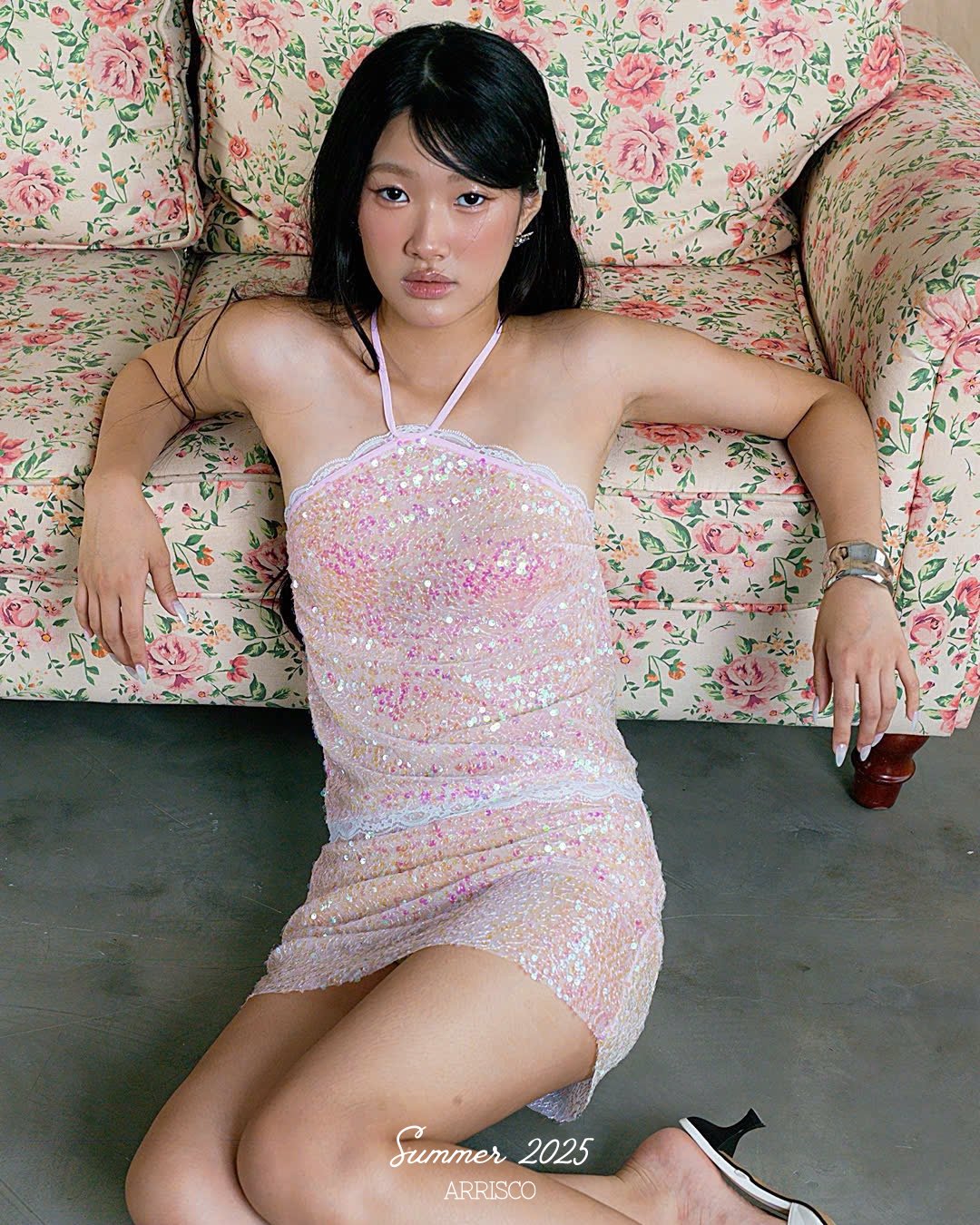
International readers who want to explore a contemporary Vietnam niche fashion brand can also browse Arrisco online at Arrisco. It's a Ho Chi Minh City label, not a Hanoi shopping destination, but it offers a useful digital comparison point when you're evaluating Vietnamese design, fit, and online purchasing after your trip.
Arrisco offers contemporary Vietnamese niche fashion for trendsetters who care about distinctive design, fit, and online convenience. If Hanoi's boutiques and design districts have inspired your wardrobe, visit Arrisco to explore its collections and global shipping options.