

Most advice puts a long plaid skirt in a narrow box: cold weather, chunky knit, tall boots, and little else. That formula works, but it's also the fastest way to make a beautiful skirt feel like a costume. The better approach is to treat plaid as a visual anchor and adjust the fabric, layers, shoes, and proportions to suit your climate.
A well-chosen long plaid skirt can handle humid city days, cool offices, airport travel, transitional weather, and evening dressing. The difference between polished and frumpy rarely comes from the pattern itself. It comes from fabric weight, pleat control, waistband fit, hem placement, and the amount of visual volume you add above it.
Why Long Plaid Skirts Deserve Year-Round Wardrobe Space
The idea that plaid belongs only to autumn and winter is outdated. Heavy wool demands cold weather, but a lighter cotton twill, fluid wool blend, or breathable synthetic can make the same silhouette useful in warmer conditions. Wear it with a sleeveless shirt and flat sandals in a hot climate, then switch to a cropped cardigan and loafers when temperatures drop.
Plaid also has staying power because it carries both pattern recognition and cultural history. Tartan, the pattern most closely associated with a long plaid skirt, has been documented in Scotland since at least the 3rd century AD, with the Falkirk sett identified as the earliest known checked-cloth example by the National Records of Scotland's history of tartan. By the 17th century, tartan was firmly linked to Highland dress, and the belted plaid served as an everyday garment for Highland men during the 17th and first half of the 18th centuries. The Dress Act of 1746 then banned Highland dress for 35 years until repeal in 1782, giving tartan a charged cultural history that still adds authority to plaid clothing.

Modern demand supports the case for treating plaid as more than a seasonal novelty. Trend analytics for Spring/Summer 2026 reported plaid and checks up 41% versus the prior year, while plaid skirts rose 95% in social buzz in New York street style coverage, according to SS26 street style trend analysis. That momentum matters, but you don't need to dress like a runway image to use it.
Stylist's rule: Let the plaid provide the drama. Keep at least one other major element, such as the top, shoes, or bag, clean and quiet.
The silhouette also fits the continuing interest in preppy dressing, heritage details, and polished separates. For context, see this guide to why preppy fashion continues to evolve, especially if you like plaid but don't want a traditional school-uniform effect.
Choosing the Right Fabric Weight and Pleat Structure
A long plaid skirt can work year-round, but heavy wool is the fastest way to make it unusable outside cold weather. Choose fabric for your climate first. In hot or humid regions, select a breathable weave that moves away from the body instead of trapping heat. Cotton twill gives plaid a crisp, practical finish. A lighter wool blend supplies more drape and polish for cool or transitional weather. Wrinkle-resistant synthetics suit travel, provided they are not stiff, shiny, or overly dense. For a broader comparison of textile properties, consult this fabric guide.
Lightweight wool blends typically fall within 300 to 400 g/m², while heavy wool skirts use 600+ g/m². That difference affects more than warmth. Heavier cloth consumes more fabric in a pleated design and produces a firmer, more structured silhouette.

Match the pleat to the effect
Soft knife pleats create a directional line that lengthens the figure. They suit warm climates because they move fluidly and add less stiffness around the hips. Box pleats look more architectural, with stronger volume that works well in heavier winter fabrics. On a petite frame, however, deep box pleats can overwhelm the figure or make a dense plaid look bulky.
Pleat depth changes comfort and proportion. Narrow pleats create more surface movement and can make a busy check feel even busier. Wider pleats give the plaid room to read clearly, but they need careful pressing and enough fabric to hold their shape.
For a knife or box-pleated skirt, allow approximately 2 inches of hip ease so the garment passes over the fullest lower-body measurement without strain, following this pleated plaid skirt drafting guidance. A waistband often uses the natural-waist measurement plus about 3 inches of ease, then adjusts for pleat placement, seams, and construction.
Check construction before buying
Inspect the inside before purchasing. The waistband should lie flat without twisting, the pleat folds should be pressed consistently, and the side seam should not form a thick ridge. Check plaid alignment at every seam. Matching pleat peaks and valleys keeps the checks visually continuous instead of abruptly broken.
A pleated plaid skirt requires more cloth than a plain skirt. Some sewing methods cut each panel at approximately three times the hip or waist-based width, then form pleats in 2-inch increments or divide the waist into evenly spaced pleats, as outlined in this technical pleated skirt construction guide. French seams, stay stitching, and seam allowances from 1.5 cm to 5/8 inch help control bulk. A 2-inch hem allowance supports a clean finish and stable drape.
Use the following video alongside your inspection to see how fabric behavior affects pleat shape and skirt construction.
Outfit Formulas for Every Season and Occasion
The best long plaid skirt outfits use contrast. A full, patterned lower half needs a top with either a clean line, a cropped finish, or deliberate structure. Don't hide the waist beneath a long, loose sweater unless you want a deliberately oversized silhouette.
| Season | Occasion | Top Layer | Footwear | Key Proportion Rule |
|---|---|---|---|---|
| Warm weather | Weekend or sightseeing | Sleeveless cotton shirt or fitted tank | Flat sandals or sleek sneakers | Keep the top close to the body and show the waist |
| Transitional season | Lunch or travel day | Fine-gauge knit or cropped cardigan | Loafers or ankle boots | Use a shorter layer so the skirt remains the longest line |
| Cool office weather | Business meeting | Tucked shirt with a tailored blazer | Pointed flats or low boots | Keep the blazer shaped and avoid excess fabric at the hip |
| Evening | Dinner or gallery event | Satin camisole with a compact jacket | Heeled sandals or refined ankle boots | Repeat one color from the plaid in the accessories |
| Casual cold weather | Weekend errands | Fitted turtleneck and short jacket | Clean sneakers or flat boots | Balance the skirt's volume with a defined shoulder |
Warm-weather dressing
Choose a lighter skirt with soft pleats and a breathable top. A white sleeveless button-down, narrow leather belt, and simple sandals make the pattern feel fresh rather than autumnal. For a more contemporary look, wear a fitted ribbed tank and a cropped overshirt, leaving the overshirt open so the waist remains visible.
In humid weather, skip thick tights, heavy cardigans, and lined wool. The skirt should be the only substantial piece. A structured canvas tote or small shoulder bag adds function without competing with the checks.
Transitional dressing
The easiest transition formula is long skirt, fitted knit, short outer layer. A fine-gauge sweater tucked at the front works with loafers, while a cropped cardigan creates a softer line. If you prefer boots, choose an ankle style that leaves a small amount of leg visible rather than pairing a heavy skirt with a bulky boot that visually shortens you.
A blazer can sharpen the look for work, but it needs shape. Wear it open over a tucked shirt, or button it over a slim camisole. A long, unstructured blazer over a full pleated skirt often creates too much fabric from shoulder to hem.
Office and evening formulas
For an office, repeat a quiet color from the plaid in your shirt or blazer. Navy, cream, charcoal, and deep brown usually create a more intentional result than adding another loud pattern. If the checks are bold, keep jewelry simple and let the tailoring do the work.
For evening, change the texture rather than changing the whole outfit. Satin, fine jersey, polished leather, and a small metallic accessory make a long plaid skirt feel dressed up. The winter skirt styling guide offers useful layering principles, but don't copy its cold-weather formula mechanically. Replace thick knits with a camisole, replace tall boots with sandals, and preserve the same clean waist-to-hem line.
Solving Common Fit Problems Before They Happen
A long plaid skirt can be beautifully made and still look frumpy if the waist, hips, or hem are wrong. Start with the waistband. It should sit at the intended position, lie flat, and stay put as you walk, sit, and climb stairs. That stability matters even more in warm climates, where lighter fabrics reveal pulling quickly, and during travel, when you need comfort across changing temperatures.
Waistband gaping usually means the waist is larger than the garment's intended measurement. Tightness across the upper hip forces pleats open and can disturb the plaid. Do not take in a tight hip at the waist. That alteration distorts the pleat layout and pulls the checks off balance.

Diagnose the visible problem
Use a mirror and check four points:
- Waistband: Does it stay flat, or gape at the back?
- Hem: Can you walk naturally without the fabric dragging?
- Pleats: Do they remain aligned, or spread across the hips?
- Pattern: Do the checks meet cleanly at the side seam?
A hem that is too long makes even a refined skirt look heavy. The fit checklist recommends a mid-calf position with 1 inch of clearance from the floor, a useful starting point for a full-length silhouette. Check the hem with the shoes you will wear. Sandals, sneakers, and boots each change the practical length, especially when packing one skirt for several climates.
For reliable starting measurements, use this guide to take accurate body measurements. Measure your natural waist, fullest hip, and desired finished length while standing normally. Keep the tape comfortably against the body, and measure over light clothing rather than a sweater or coat.
Know which alterations matter
A professional tailor can usually correct waistband fit, hem length, and minor side-seam problems. Pleat splaying requires closer inspection. If the hip is under strain, sizing up and adjusting the waist often produces a cleaner result than forcing a smaller size. That approach also preserves airflow in warm weather and leaves room for a thin layer during transitional seasons.
Side-seam pattern misalignment usually signals construction trouble rather than a body-fit issue. Seam bulk, off-grain plaid, and mismatched pleats can make a skirt look crooked even at the correct measurements. Stay stitching stabilizes edges, French seams reduce exposed bulk, and careful pressing keeps the plaid aligned during assembly.
Tailoring test: Sit down before buying. If the waistband cuts in, the pleats spread sharply, or the checks twist across the hip, choose a different size or construction instead of relying on a more forgiving pose.
Care and Packing Strategies That Preserve Pleats
Pleats stay sharp when you treat the skirt as a structured garment, not as a basic everyday wash item. Read the care label first. A washable cotton or synthetic skirt may tolerate hand washing or a gentle cycle, while a wool blend may need specialist cleaning to protect its finish and color.
Turn the skirt inside out before washing, close fastenings, and use cool water when the label permits. Avoid aggressive agitation, which can encourage color transfer between dark and light checks and weaken pressed pleat lines. Never wring a pleated skirt. Press out excess water gently with a towel instead.

Dry and store with the shape intact
Lay the skirt flat away from direct sunlight, especially if the plaid combines strong dark and light colors. Smooth the pleats into their original direction while the fabric is damp, then let the garment dry fully before storing it.
For hanging, use padded clips or a hanger that won't leave sharp pressure marks. If the skirt must be folded, place acid-free paper between folds and avoid crushing it beneath dense garments. Seasonal storage should be cool, dry, and breathable. Plastic can trap moisture and create an unpleasant compressed smell.
A handheld steamer can relax travel wrinkles, but keep the nozzle moving and test an inside area first. For knife pleats, steam along the existing fold rather than sweeping randomly across the fabric. Let the skirt cool and dry while hanging so the pleats settle back into position.
Pack it for international travel
Turn the skirt inside out, place tissue paper between major folds, and roll it rather than compressing it into a tight square. A generous garment container is safer than an overfilled suitcase. For organized storage or moving, large layflat clothing boxes can keep a skirt flat and separate from shoes, toiletries, and rough luggage surfaces.
When you arrive, unpack immediately and hang the skirt. Hang it in the bathroom during a warm shower only if the fabric's care label allows moisture exposure, and keep the garment away from direct water. For a broader packing method, follow this guide to packing clothes without wrinkles.
Building Your Long Plaid Skirt Collection Strategically
Buy your first long plaid skirt for your actual life, not for an imagined winter wardrobe. In a hot climate, prioritize a lighter fabric, breathable lining, and soft knife pleats. For a cooler location, a denser weave and more defined box pleats can provide useful structure. If travel dominates your schedule, choose a pattern that works with neutral shirts, compact knits, and more than one shoe category.
Your second skirt should solve a different problem. Pair a statement plaid with a quieter check, or choose a different color family so the collection doesn't look repetitive. Keep the silhouettes distinct only when your wardrobe supports them. A heavily pleated skirt and a straighter long style offer variety, but both still need compatible waist and hem proportions.
Spend more on construction where the difference is visible and functional, especially waistband stability, accurate plaid matching, fabric recovery, and a hem that hangs evenly. Budget options can work when the fabric feels comfortable and the pleats remain controlled after movement.
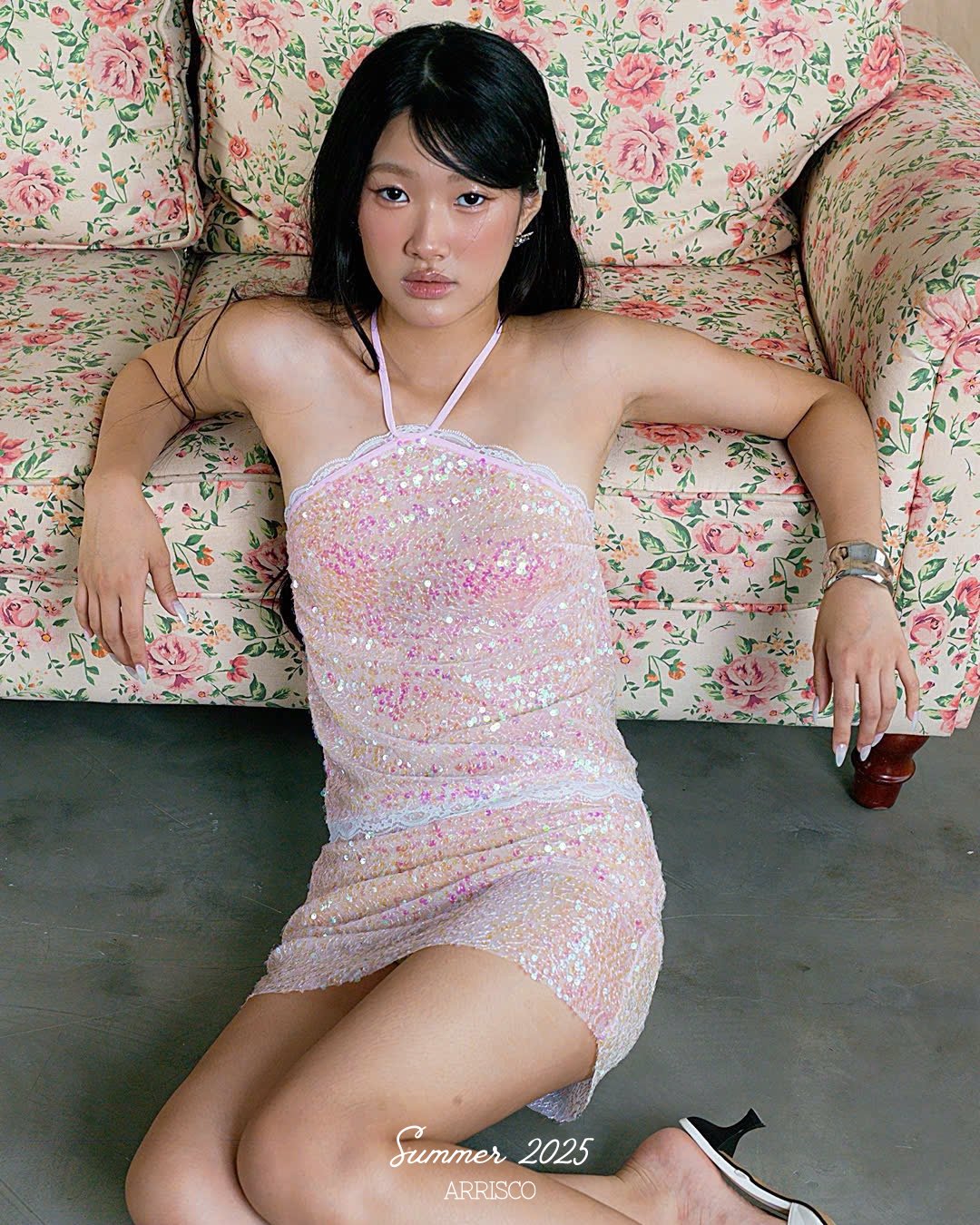
Arrisco is a Vietnam-based niche fashion brand in Ho Chi Minh City with a Dress & Skirts collection relevant to shoppers looking for skirt-led outfits. International buyers can compare its available styles with their own climate, fit preferences, and shipping needs rather than treating one product as a universal solution.
Choose your long plaid skirt by climate first, then check the pleats, waistband, hem, and plaid alignment before styling it. Arrisco offers skirt options for shoppers building a modern, internationally wearable wardrobe, so visit Arrisco to explore the collection and find a silhouette you can wear beyond the usual fall and winter formula.