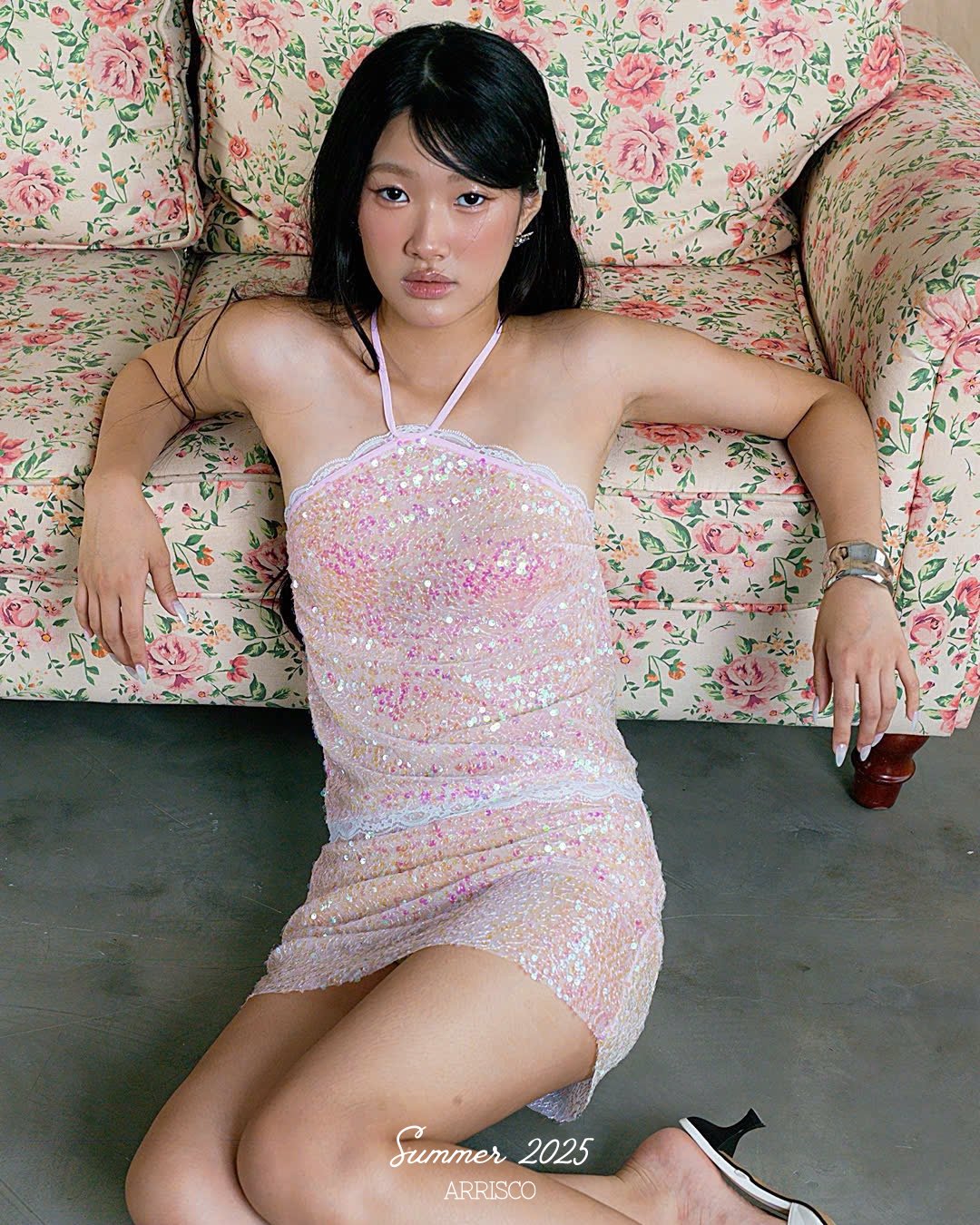


You're usually in one of two situations when you start looking for a fur cape for the shoulders. You've got an event coming up and want that polished, cinematic finish that a jacket can't deliver. Or you've found a beautiful cape online, then paused and thought, wait, how do I wear this without tugging at it all night?
That second question matters more than most style guides admit. A shoulder cape can look breathtaking, but only when the drape is right, the neckline sits cleanly, and the piece stays where you put it. If it slips backward, bunches at the collarbone, or fights with the rest of your outfit, the whole look loses its ease.
The good news is that this is fixable. The smartest way to wear a fur shoulder cape has less to do with “being glamorous” and more to do with practical choices: material, cut, closure, proportion, and care. Once you understand those mechanics, the cape stops feeling intimidating and starts feeling easy.
How to Choose Your Ideal Fur Shoulder Cape
Maybe you're standing in front of your closet thinking about what's missing. Not another coat. Not another blazer. You want something with softness, shape, and presence. That's where a shoulder cape earns its place.
The first decision is material. For most shoppers, the primary question isn't only ethical. It's how the cape behaves when worn. The choice between real and faux fur now sits inside broader conversations about regulations, buyer sentiment, and sustainability, while the garment itself still has to balance warmth, drape, lightness, and personal values, as noted in this museum overview of the Utility fur shoulder cape.

Real fur or faux fur
A quick side by side makes the trade-offs clearer:
| Material | What tends to work | What can be harder |
|---|---|---|
| Real fur | Rich texture, natural warmth, often beautiful movement at the shoulder line | More specialized care, stronger sourcing questions, higher commitment piece |
| Faux fur | Easier entry point, broader price range, simpler for frequent styling experiments | Can feel bulkier, may trap heat differently, sometimes lacks the same fluid drape |
Real fur usually appeals to someone building a smaller, more considered wardrobe and willing to maintain it properly. Faux fur often suits the shopper who wants flexibility, trend range, and fewer care worries.
Practical rule: If you know you'll wear the cape mainly for dinners, weddings, and winter evenings, prioritize drape. If you'll use it for frequent day-to-night styling, prioritize weight and maintenance.
Pick the silhouette before the color
Color is often chosen first. Stylists usually reverse that.
A capelet is the easiest place to start. In fashion terms, a shoulder cape is often described as a capelet, meaning a shorter cape for the shoulders rather than the full body, which gives you a more wearable shape for regular styling. It frames the face, works over dresses and knitwear, and doesn't overwhelm petite frames.
A broader wrap-style shoulder cape creates more drama, but it asks more from the rest of the outfit. You need cleaner lines underneath. Too much volume below the bust and the look can turn heavy fast.
Consider these pairings:
- For a narrow shoulder line: Softer rounded shapes add presence without swallowing your frame.
- For broader shoulders: Look for a cape with a clear neckline and controlled volume, so the piece skims instead of extending outward.
- For eveningwear: A cropped shoulder cape often works better than a longer wrap because it lets the dress keep its shape.
- For daytime layering: Slightly roomier cuts give you space for knitwear or a blazer underneath.
If you're still deciding on texture and color, it helps to compare the cape to other soft outerwear already in your closet. A neutral shoulder cape often works the same way a cream statement jacket does. If you like that styling direction, how cream faux fur jackets fit into a wardrobe is a useful reference point.
Think like a wardrobe editor
The smartest cape isn't the most dramatic one. It's the one you can style at least three ways without buying anything else.
Ask yourself:
- Does the neckline work with my usual tops and dresses
- Will the color flatter my existing eveningwear
- Can I wear it with both sleek and textured fabrics
- Will the shoulder line sit cleanly over what I already own
That last point matters. A fur cape for the shoulders should feel like a finishing layer, not a styling puzzle.
Mastering the Perfect Fit and Drape
Fit is where beautiful shoulder capes either come alive or become annoying. If you've ever tried one on and spent the next five minutes pulling it forward, smoothing the collar, or adjusting the clasp, the problem usually wasn't you. It was the geometry.

Patternmaking gives away how sensitive this category is. One sewing tutorial shows how about 1 inch at the shoulder area and 0.5-inch back-neck depth changes can alter drape and coverage, with further pattern extension used to refine the final shape in the draft, which is why small grading errors matter so much in ready-to-wear capes, especially across different body types, as shown in this shoulder cape pattern tutorial.
What to measure before you buy
For online shopping, focus on the points that control hang, not just the labeled size.
-
Shoulder width
Measure from shoulder point to shoulder point across your upper back. This tells you whether the cape will perch neatly or tip outward. -
Neckline depth
Look at how high or low the front opening sits. A too-tight neckline rides up. A too-open one can drift backward. -
Back coverage
Check where the cape ends on your upper back. Too short can look abrupt. Too long can interfere with arm movement.
If you want a clearer baseline before comparing product specs, how to measure shoulders correctly helps simplify the process.
How to tell if the drape is right
A good shoulder cape does three things at once. It sits close at the neckline, releases smoothly over the shoulder, and lets your arms move without dragging the whole garment with them.
Use this quick fitting check:
- Stand naturally: If the cape only looks right when you hold a posed posture, the cut isn't stable enough.
- Lift one arm slightly: The opposite side shouldn't twist hard or climb up your neck.
- Turn from the waist: The front edges should settle back into place instead of migrating behind you.
- Check the profile view: The back should skim, not balloon.
A shoulder cape should feel balanced before you accessorize it. If you need a brooch, scarf, and constant hand-adjusting just to keep it in place, the cut is fighting you.
How to stop slipping without adding bulk
This is the complaint I hear most. A fur cape for the shoulders looks gorgeous for ten minutes, then starts to slide. The fix is usually structural.
Look for these features first:
- Built-in clasp placement: Closures set too low let the neckline spread and drift.
- Internal ties: These help anchor the cape discreetly under the front.
- Even weight distribution: If one side carries more trim or bulk, you'll feel it immediately.
- A shaped neckline: Straight cuts often slip more than gently curved ones.
For makers, stylists, or anyone fitting garments at home, using an adjustable form helps you spot drag lines and shoulder imbalance before wearing. Display Guru on dress forms is useful if you want to see how adjustable torso support can improve fitting decisions.
If you're shopping current ready-to-wear, Arrisco is one option to assess by those standards. Don't just look at the fur or finish. Check where the garment closes, how the shoulder line is cut, and whether the neckline appears structured enough to stay put.
A Stylists Guide to Layering and Occasions
The shoulder cape has survived for good reason. Its history stretches back to 1066, and by the 19th century the silhouette had evolved into forms like the carrick coat, an overcoat with three to five cape collars used for travel, showing how naturally the shape moved between utility and style, as outlined in this history of the cape.
That versatility still makes it one of the easiest statement layers in a modern wardrobe.

Evening looks that don't feel overdone
For formal dressing, the cape should frame the outfit underneath, not replace it.
A strong formula is a shoulder cape over a slip dress, column gown, or sleek evening dress. The smoother the base, the more luxurious the cape reads. If the dress already has ruffles, oversized sleeves, or heavy embellishment at the neckline, the cape often feels crowded.
Use these combinations:
- High-glam dinner: Black shoulder cape, satin slip, pointed heel, earrings only.
- Wedding guest look: Soft neutral cape over a long dress with an open neckline and narrow skirt.
- Cocktail event: Cropped fur cape over a fitted midi dress with a sleek clutch.
The secret is hemline discipline. If the cape is short and rounded, let the dress fall cleanly below it. Don't interrupt that line with bulky waist details.
Keep one focal point near the face. If the cape brings texture and volume upward, the dress underneath should bring length and calm.
Daytime layering that feels modern
A fur cape for the shoulders doesn't have to wait for black tie. It can enhance ordinary pieces in seconds, but daytime styling needs restraint.
Try it over a fine knit, straight-leg jeans, and tall boots. Or pair it with a monochrome sweater-and-trouser set if you want polish without looking costume-like. The trick is contrast. Luxurious texture on top works best with simple, matte basics underneath.
A few combinations that work well:
| Occasion | Base outfit | Why it works |
|---|---|---|
| Coffee meeting | Cashmere sweater, jeans, boots | The cape adds structure and softness without requiring a dressy base |
| Gallery afternoon | Knit dress, tights, loafers or boots | Clean column underneath, interest at the shoulder |
| Dinner out | Turtleneck, satin skirt, heel | Texture contrast makes the cape look intentional |
If you enjoy refined cold-weather dressing, an elegant winter wardrobe guide offers a useful lens for building outfits around statement outer layers.
Business glam without costume energy
This is one of my favorite uses for a shoulder cape because it feels sharp, not precious.
Layer it over a sheath dress, slim turtleneck, or even a structured blazer with narrow sleeves. A shoulder cape can soften suiting while keeping the authority of tailoring. What doesn't work is pairing it with oversized blazers or wide shoulder padding. Then you're stacking structure on structure.
For office-adjacent events or fashion meetings:
- Choose compact silhouettes underneath.
- Keep your bag structured, not slouchy.
- Stick with one strong color story.
- Let the cape come off easily if you move indoors.
A styling demo can help you read movement and proportion more clearly than static photos. This one is useful for seeing how a cape-like layer changes an outfit in motion.
Bridal and special-occasion energy
Shoulder capes shine in settings where you want softness without a full coat. Over bridalwear, they add coverage while keeping the dress visible. Over occasionwear, they create a more composed entrance than a shawl.
What matters most here is neckline harmony. If the dress has detail at the bust or collarbone, keep the cape opening clean. If the dress is minimal, a richer cape texture can do more work.
The best layered looks don't feel assembled from separate pieces. They feel like the outfit was meant to arrive together.
Accessorizing Your Fur Cape
A fur cape already speaks loudly. That's why the smartest accessorizing is selective, not busy.
Historically, fur capes carried associations with aristocrats, royalty, and high society, and that legacy still affects how the garment reads today. Because the piece already signals sophistication, accessories should support that message rather than compete with it, as discussed in this piece on the symbolism of fur capes.
Jewelry should frame, not fight
Start at the neckline. Most shoulder capes create visual volume close to the face, so a heavy statement necklace usually isn't the best choice. It disappears into the texture or creates clutter.
Better options:
- Statement earrings: These lift attention upward and stay visible.
- Fine rings or a slim bracelet: Enough polish, no visual traffic jam.
- A delicate chain: Only if the cape opening is low and clean.
If the cape closes high at the throat, skip neck jewelry altogether. The closure area should look intentional, not crowded.
Less jewelry almost always makes a shoulder cape look more expensive.
Bags, gloves, and shoes
Handbags can ruin the line of a cape faster than almost anything else. A thick shoulder strap worn over the top creates dents and drag. For daytime, carry a structured bag by hand or wear a crossbody under the cape if the silhouette allows it. For evening, a clutch stays cleanest.
Footwear should echo the cape's mood, not mimic its texture. Smooth leather boots, satin pumps, or pointed heels generally work better than heavily embellished shoes.
A few combinations I return to often:
- For evening: Earrings, clutch, sleek heel
- For daytime: Gloves, structured top-handle bag, boot
- For formal winter: Long gloves and simple shoes, with no extra neck detail
What to avoid
Three things tend to cheapen the effect.
- Competing textures: Faux fur cape, sequined top, embellished bag, and glitter heel is too much in one frame.
- Bulky scarves: They break the neckline and make the cape lose shape.
- Large brooches in the wrong spot: If placed without structure underneath, they pull and distort the front edge.
The cape should stay the star. Everything else should look edited.
Essential Care Storage and Travel Tips
The way you store a shoulder cape affects how it looks the next time you reach for it. This is especially true at the shoulder line, where poor support shows up quickly as flattening, distortion, or that tired collapsed look no steaming session can fully hide.
Fur specialists recommend storing the garment on a broad, padded hanger, keeping it in a cool area, and avoiding plastic garment bags, which can trap moisture and damage both the hide and lining, according to this fur cape care guidance.

Daily handling that protects the shape
You don't need an elaborate ritual. You do need consistency.
- Use the right hanger: Broad and padded keeps the shoulder area lifted instead of pinched.
- Let it breathe after wear: Don't stuff it into a packed closet while damp from weather or body heat.
- Keep heat away: Radiators, hot cars, and overheated storage spaces are hard on the material.
- Avoid plastic covers: Breathable storage is safer than sealed storage.
If you wear jewelry with your cape, it also helps to keep accessories organized separately so clasps and sharp edges don't snag linings. These smart jewelry storage ideas are practical if you keep occasion pieces and outerwear in the same dressing area.
Seasonal storage done properly
At the end of the season, don't treat a shoulder cape like a standard wool coat.
A quick checklist helps:
- Brush off surface dust gently
- Inspect the neckline and closure area
- Hang it with space around it
- Store it somewhere cool and ventilated
If the cape has picked up odor, stiffness, or visible wear, that's the point to consult a specialist cleaner rather than experimenting at home.
Plastic feels protective, but for fur and fur-trimmed pieces it often creates the exact conditions you don't want.
Travel without crushing the cape
Travel is where a lot of beautiful pieces lose their shape. The goal is to minimize compression and let the cape recover quickly once you arrive.
For short trips, a breathable garment bag is usually the cleanest option. If you need to pack it into luggage, fold with the pile lying naturally and avoid pressing heavy items on top. Once you unpack, hang it immediately and give it room.
These habits also help when packing the rest of your outfit. If you want to keep dresses, tailoring, and outer layers in better condition in transit, how to pack clothes without wrinkles offers useful packing logic.
A shoulder cape rewards gentle handling. The less you crush, overheat, or overstore it, the better it keeps that soft architectural shape.
Navigating Online Purchases and Shipping
Buying a fur cape online can work beautifully if you shop with a checklist instead of pure emotion. Product photos matter, but the useful clues are usually in the details: neckline shape, closure placement, shoulder coverage, lining visibility, and whether the brand shows the cape from the side and back.
Before ordering, check:
- The size guidance: Capes don't fit like jackets, so shoulder measurements matter more than your usual letter size.
- The fabric description: You want clarity on whether it's faux fur, fur trim, or a full fur construction.
- The closure system: Hooks, clasps, or hidden ties can change wearability.
- The return process: Especially important for statement pieces with specific fit needs.
For a practical pre-purchase routine, how to shop for clothes online with fewer surprises is a solid reference.
For international orders, read the shipping page closely. “Global shipping” doesn't always answer questions about timing, duties, or return packaging. Save the original packing materials until you're sure the cape works. If you do need to return it, repack it so the shoulder line stays supported and the surface isn't crushed in transit.
If you're looking for a modern take on statement outerwear, browse Arrisco with the same standards you'd use in person: check the shoulder line, the closure, the drape, and how the piece will work with the wardrobe you already own. That's how a beautiful cape becomes one you'll wear.