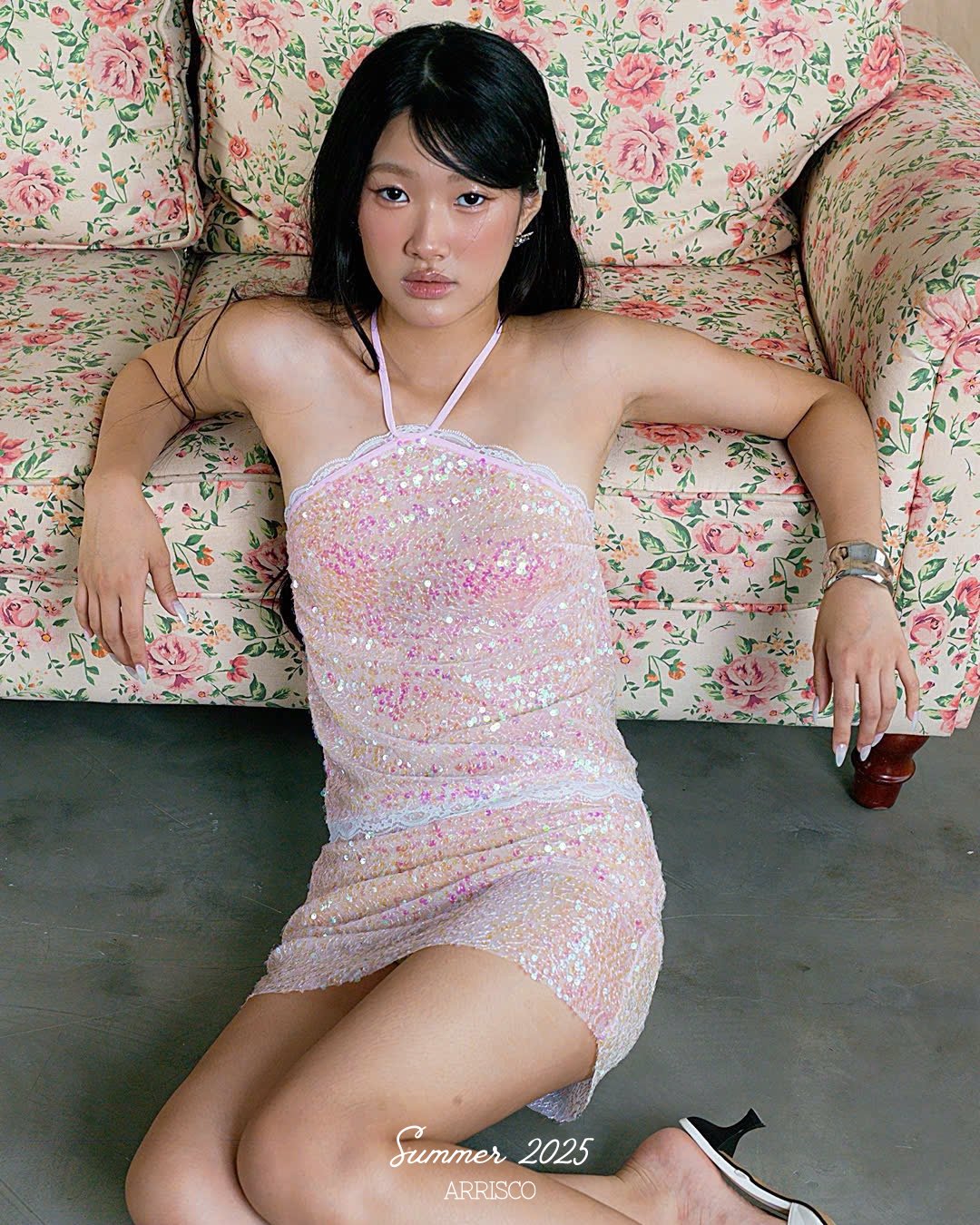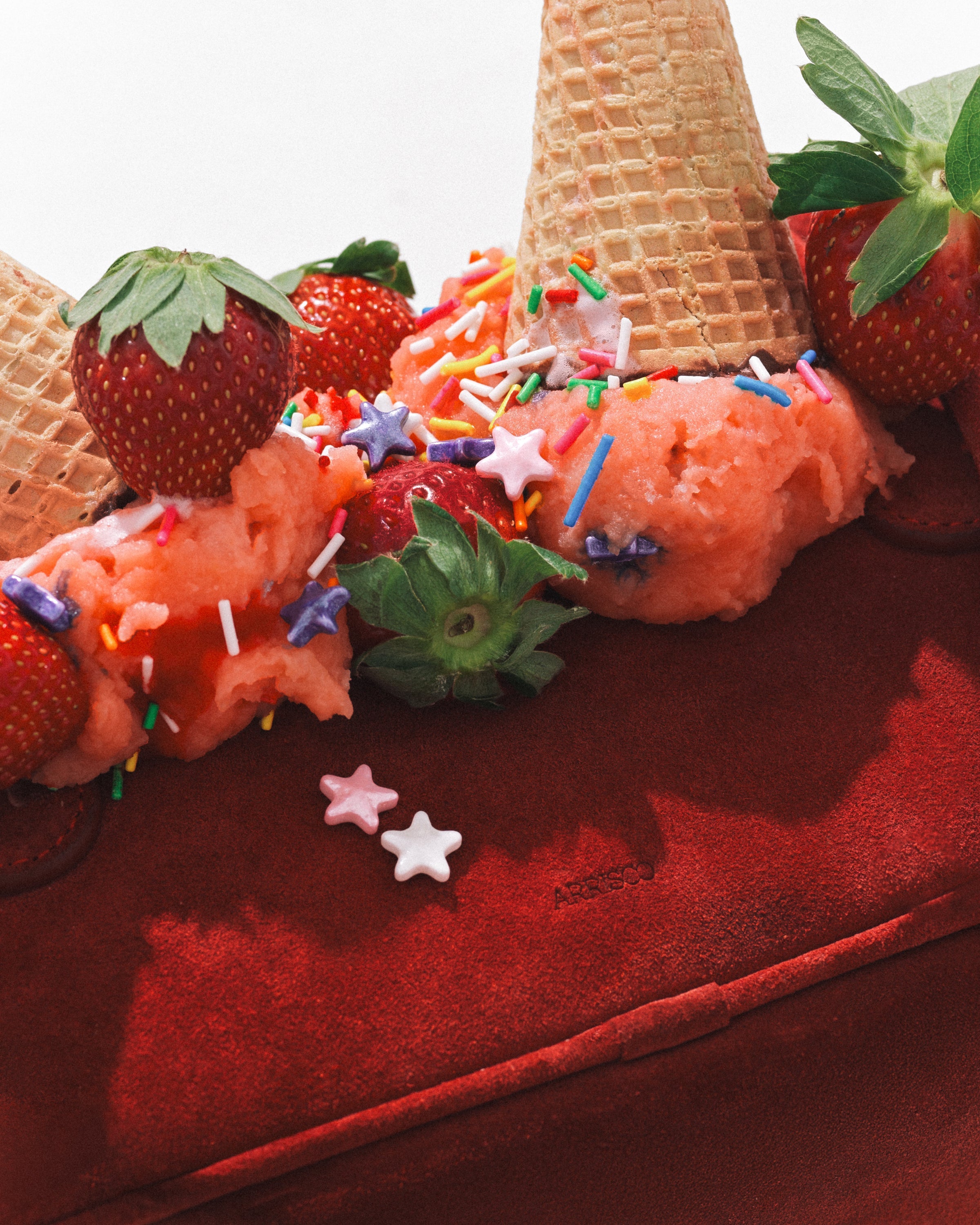


The strongest fashion trends 2026 aren't the loudest, they're the ones a buyer can wear, photograph, ship, and reorder without regretting the decision later. That's the shift underneath the season's mood, because the market is growing in low single digits in 2026, while leaders are bracing for more friction, not less, and 76% of industry executives point to tariffs as the biggest issue shaping the year, according to McKinsey's outlook on the state of fashion (McKinsey state of fashion outlook).
The strongest trends should be designed to earn repeat wear, not merely attention.
That framing changes how you read the season. It's no longer enough to ask what looks current on a runway recap, because 2026 rewards garments that solve for fit, versatility, climate variation, digital discovery, and longer lifecycles. The list below is built as a decision-ready map for trendsetters and international buyers, with Arrisco interpretations in mind, so each direction can be translated into product, styling, and export-friendly merchandising without losing fashion value.
1. Quiet Luxury Minimalism
Quiet luxury isn't disappearing, it's becoming more useful. In fashion trends 2026, the best minimal pieces aren't just neutral, they're engineered to look calm while doing a lot of work in the wardrobe. That means clean lines, soft structure, and fabric quality that survives close inspection, the kind of design language you see in premium Uniqlo capsules, COS tailoring, and Everlane's transparency-led positioning.
For Arrisco, the commercial opportunity is straightforward. Build basics that can move between office, travel, café culture, and evening layering without looking overstyled. A wool coat, a crisp shirt, and a well-cut trouser only feel “minimal” if the pattern work is disciplined and the proportions are deliberate.
What makes it sell
The advantage comes from precision pattern-making and honest fabric storytelling. Linen, organic cotton, and wool all work here, but they have to be cut in a way that flatters the body rather than just reducing visual noise. If the shoulder line drifts, the whole story collapses.
Use a capsule logic that lets shoppers mix pieces across seasons. That matters for international buyers too, because a restrained palette travels well across climates and market preferences. Arrisco's strongest angle is probably accessible luxury, not austerity, so the pieces should feel refined but still approachable for 18–35 shoppers who want quality without entering pure prestige pricing.
Practical rule: minimalism only looks premium when the inside construction is as clean as the outside.
A useful reference point is Arrisco's own minimal style guide, which fits this trend because it frames simplicity as a design decision, not a lack of imagination. The strongest versions won't shout, but they'll hold their shape, photograph well, and get worn again.
2. Dopamine Dressing with Intentional Color
Color is back, but 2026 doesn't reward random brightness. The better version of dopamine dressing uses intentional color placement, so the outfit feels energizing without sliding into novelty. You can see the direction in editorial styling that pairs saturated tones with structure, or in runway-adjacent combinations that feel bold but still deliberate, not childish.
That matters for buyers who care about wearability. A bright piece only becomes commercially viable when it can anchor a neutral wardrobe, work in flat light for online photography, and still feel flattering in real life. For Arrisco, that means thinking in terms of color-blocked tops, gradient transitions, and pairing one vivid item with stable basics.
How to make color feel grown-up
Start with silhouette, then choose color. A vivid red or cobalt trouser looks sharper when the cut is clean, while a looser shape needs better color control so it doesn't read messy on screen. Dye consistency also matters more than people admit, especially for e-commerce, because shoppers notice shade variation immediately when they compare product images across devices.
A practical merchandising move is to build mood boards that show the same shade in multiple settings, street, studio, daylight, and indoor warm light. That helps buyers understand the intent behind the palette and reduces hesitation at checkout. It also gives Arrisco a more editorial story than “bright equals fun.”
Color works best when it's attached to a function, a mood, or a silhouette that already makes sense.
If you're building for an international audience, keep the balance flexible. Bold color attracts attention, but neutral support pieces make it easier to sell across markets where styling preferences differ. Arrisco's color theory guide fits naturally here because this trend is really about disciplined color use, not just saturation.
3. Precision Fit and Body-Conscious Silhouettes
Fit is no longer a back-end issue, it's part of the trend story. In fashion trends 2026, shoppers want clothes that feel designed for their bodies, not merely scaled up or down from a default block. That's why precision fit, body-conscious lines, and smarter sizing systems are becoming central to the category, especially for digital-first brands.
Brands like Aerie, Spanx, Lululemon, and ThirdLove have all made fit confidence part of the product experience in their own ways. The lesson for Arrisco is simple, shoppers who can't trust the fit won't trust the style, especially online. A strong silhouette can still fail if the grading is sloppy or the stretch recovery is weak.
Where fit creates commercial value
The winning approach blends ergonomic pattern-making, thoughtful stretch fabrics, and clear sizing language. That means modeling garments across multiple body types, not only one sample fit. It also means writing size guides that are useful, with measurement specifics and fit notes that help people predict drape, compression, and ease.
Virtual fitting tools can help, but they don't replace good construction. A bad block will still be bad on a screen. The best fit systems use customer feedback loops to refine patterns over time, which matters for international shipping because returns are expensive and disappointing fit erodes trust quickly.
Fit is the product, styling is the bonus.
Arrisco can use this trend to move beyond generic basics and into body-aware tailoring that feels modern rather than restrictive. For buyers, that means fewer surprises. For the brand, it means stronger repeat purchase potential because once a shopper trusts the fit, she's far more likely to reorder in other fabrics or colors. The fit and tailoring notes are especially relevant here because this trend succeeds when the cut does the persuading.
4. Sustainable Innovation and Lab-Grown Materials
Sustainability in 2026 is becoming less about vague messaging and more about material credibility. Consumers are increasingly attentive to what a garment is made from, how it's verified, and whether the environmental story holds up under scrutiny. That's why lab-grown leather, mycelium-based materials, and regenerated fibers are moving from speculative to commercially relevant.
The challenge is that innovation can't look like a science project. A buyer still wants something beautiful, usable, and durable. Stella McCartney's alternative-material positioning, Bolt Threads' mycelium work, and recycled-material programs from brands like Allbirds show that the product has to carry the story, not the other way around.
What matters beyond the sustainability label
For Arrisco, the practical move is to partner only with verified suppliers and build clear education around what each material does well. If a fabric feels good but pills easily, or if a bio-based surface looks impressive but doesn't wear well in humid climates, the commercial upside drops fast. International buyers will especially care about consistency across shipments, not just the novelty of the concept.
Blockchain tracking can support transparency, but it only helps if the data is understandable and tied to product pages in a meaningful way. Third-party verification matters too, because sustainability claims now need to feel credible rather than decorative. Pricing should reflect actual material innovation, not arbitrary premium markup.
Innovation sells when the customer can understand the benefit in one sentence.
This is also where supply-chain partnerships matter. Sourcing sustainable apparel manufacturing becomes part of the product story, not an afterthought, because the factory choice affects both traceability and execution quality. Arrisco's opportunity is to make responsibility feel contemporary, not preachy, with materials that align with real wear and long-term value. The linked sustainable fashion guidance belongs in this conversation because the best sustainable products still have to look desirable first.
5. Asymmetrical and Deconstructed Details
Asymmetry gives 2026 fashion some of its sharpest personality. Instead of perfect symmetry and polished repetition, designers are using uneven hems, visible seams, and deliberate deconstruction to make the construction itself part of the aesthetic. The result feels more editorial and more human, because the garment shows its making process.
Rei Kawakubo, Yohji Yamamoto, Jil Sander, and Rick Owens all point in slightly different directions here, but the shared idea is clear, imperfection can be a design language. That's useful for Arrisco because asymmetry can lift a simple piece into something more memorable without requiring excessive decoration.
How to keep it wearable
The trade-off is obvious. Push the idea too far and the garment stops being practical. Keep it too soft and it loses its point. The best product balances a strong asymmetric gesture with a familiar base, so a buyer can still imagine wearing it with denim, trousers, or a minimal skirt.
This trend also rewards strong photography. If the detail can't be seen clearly, it won't justify the premium. Photographing the seam lines, drape points, and unfinished edges helps customers understand that the effect is intentional, not flawed. That's especially important online, where customers can't feel the fabric or test the balance in motion.
A smart Arrisco interpretation would be one asymmetrical top shape repeated across fabrics, or a deconstructed layer that still works over everyday separates. That gives the brand consistency while keeping the styling language fresh. It also helps international buyers because the piece stays fashion-forward without being culturally difficult to wear.
Deconstruction only works when the customer can still name the outfit's purpose.
6. Tech-Integrated Wearables and Smart Textiles
Technology is getting closer to the body in 2026, and fashion is benefiting from that shift. Smart textiles, temperature-sensitive materials, and embedded functions are moving from curiosity to expectation among younger online shoppers who already live through their devices. Tommy Hilfiger's RFID pieces, Ralph Lauren's PoloTech shirt, Hexoskin's biometric wear, and Levi's x Google Jacquard show how fashion has been experimenting with this space for years.
The commercial lesson is not to overcomplicate the first release. One smart feature is enough if it improves the garment. A piece still has to look good without the tech angle, because most shoppers won't buy clothing just to own a feature list.
Build utility before spectacle
Arrisco should think about tech as a layer, not a costume. A temperature-regulating shirt or a discreet tracking feature in outerwear makes more sense than trying to turn every item into a gadget. Data privacy also matters, and the brand has to explain what the tech does in plain language so buyers know what they're agreeing to.
Companion apps can improve the experience, but only if they solve a problem. If the app feels like extra friction, the product becomes harder to sell. The safest path is to partner with established technology providers and validate the function before scaling the line.
The strongest smart pieces are the ones that remain desirable even when the feature is ignored. That makes them much easier to merchandize across regions, especially for buyers who want practical, modern products with a clear reason to exist. Arrisco's fashion-tech smart fabrics overview fits here because the trend is really about improving clothing performance without sacrificing style.
7. Gender-Neutral and Fluid Silhouettes
Gender-neutral design keeps expanding in 2026 because more shoppers want clothes that fit identity, not a label. The shift is visible in unisex technical apparel, flexible silhouettes, and sizing systems that move away from rigid binary assumptions. That doesn't mean everything becomes oversized or shapeless, it means garments are cut to suit a wider range of bodies and style preferences.
Outlier, Pangaia, ADA, and SSEOUL all show different versions of the same logic. The shared commercial advantage is broader relevance, because a well-designed fluid piece can speak to more people without feeling generic. For Arrisco, that creates a real opening in a market that values self-expression and online ease.
Design for fit categories, not gender labels
The most useful step is to rethink the size chart. Fit categories work better than old naming systems because they describe how a garment sits on the body instead of assigning it to a type of customer. Product photography should show multiple bodies wearing the same piece so shoppers can judge proportion before buying.
Inclusive language matters, but it has to be matched by actual construction. If the garment doesn't work on varied body types, the messaging feels empty. Customization options can help, especially for waist, sleeve, or rise preferences, but the base pattern still has to be strong.
Inclusivity becomes commercial when the customer can see herself, or himself, in the garment before checkout.
For Arrisco, this trend pairs well with international selling because fluid silhouettes are easier to localize across markets with different style norms. The Gorgias alternative resource is relevant from an operations angle, since customer support has to answer fit questions fast if a gender-fluid product line is going to convert well online.
8. Hyper-Local and Heritage-Inspired Design
Heritage is one of the strongest differentiators in fashion trends 2026 because global sameness is getting harder to justify. Buyers and consumers increasingly want to know where a garment comes from, who made it, and which traditions shaped it. That gives Vietnamese craft a real strategic advantage if it's presented with care and precision rather than turned into a generic “ethnic” aesthetic.
Examples from Pero, Kapital, Arpye, and Indigo Luna show how local techniques and cultural specificity can create brand identity that feels rooted, not pasted on. Arrisco can lean into this naturally because Vietnamese design, textile knowledge, and making traditions already carry depth. The key is to translate that into modern product rather than museum-like costume.
Heritage works when the story is specific
Documentation matters here. Video of weaving, sewing, dyeing, or finishing can help international buyers understand the value behind the garment. Limited editions tied to a real cultural moment can also create urgency without cheapening the craft.
The pricing conversation has to be honest. If artisan work takes time, the product should reflect that instead of pretending it's mass-market. That transparency builds trust with international customers who care about authenticity and quality, especially when free global shipping expectations are part of the buying decision.
The visual language can stay contemporary while the source of the design stays local. That's the balance Arrisco should own. Heritage-inspired product becomes stronger when it feels like something you'd wear now, not just something to admire from a distance. The embedded video and artisan imagery also fit this point because craft needs to be seen, not only described.
A close-up on traditional technique can do more for buyer confidence than a generic slogan ever will.
9. Maximalist Layering and Texture Mixing
Minimalism may be safe, but maximalism is where personality lives in 2026. Layering, texture mixing, and pattern collision are back as a way to make clothes feel expressive rather than merely efficient. This is the opposite of blankness. It asks the wearer to participate, which is exactly why creative shoppers like it.
The look works best when it has structure underneath. Missoni's pattern fluency, Margiela's layered experiments, and Y/Project's deconstruction-meets-abundance approach all show how excess becomes compelling when it's controlled. For Arrisco, this trend can become a styling category rather than a single garment type.
Make abundance easy to buy
The mistake brands make is assuming maximalism only sells in editorial settings. In practice, people need guidance. A layered look should be shown in a way that helps the customer understand where the volume sits, how the textures interact, and what anchors the outfit.
That's where lookbooks and styling support matter. A shopper who sees a jacket, knit, and skirt styled together is more likely to understand how to wear them separately too. For online sales, that can reduce hesitation and increase confidence, especially when pieces are designed to be mixed across a capsule.
Texture is the main driver here. Matte next to sheen, open weave next to dense fabric, soft drape next to structured tailoring, those combinations create depth without needing complicated prints. Arrisco can use this to build richer merchandising stories that still feel wearable in real life.
Maximalism succeeds when every layer has a reason to stay on the body.
10. Circular Fashion and Rental or Resale Integration
Circular fashion is becoming more than a values statement in 2026. Rental, resale, repair, and take-back models are now part of the business logic, especially for consumers who want access without permanent ownership. That shift rewards brands that design for longevity from the start, because garments need to survive multiple lives, not just one sale.
The direction is visible through models like Rent the Runway, Vestiaire Collective, and Patagonia's Worn Wear, along with emerging luxury rental options. The financial and environmental logic is easy to understand for younger shoppers, but the brand side is more complicated. You need tracking, authentication, return handling, and a product that still looks good after repeat use.
Build for the second wear first
For Arrisco, circularity should begin at the design table. Strong seams, durable trims, and fabrics that age well matter more here than in a one-season novelty drop. If a garment pills, stretches out, or fades too quickly, resale value and rental viability both collapse.
Platform infrastructure is helpful, but partnerships can reduce the burden if building everything in-house is too heavy. The point is to keep the garment in circulation longer, because that extends the life of the product and deepens customer trust. It also gives buyers a reason to stay in the brand ecosystem after the initial purchase.
The best circular brands teach customers to think in lifecycle terms. That changes the conversation from “What's new?” to “What keeps working?”. For a market shaped by sustainability pressure and smarter shopping habits, that's a real competitive advantage. The waste reduction guidance for DTF production fits this mindset because circular design starts with lower waste at the production stage, not just at resale.
2026 Fashion Trends, 10-Point Comparison
| Trend | Implementation Complexity 🔄 | Resource & Speed ⚡ | Expected Outcomes 📊 | Key Advantages ⭐ | Quick Tip 💡 |
|---|---|---|---|---|---|
| Quiet Luxury Minimalism | Medium, precision tailoring & QC required | High resources (premium fabrics, skilled production); moderate rollout speed | Strong brand equity, higher AOV, lower churn | Timeless appeal; sustainable premium positioning | Invest in pattern-making and natural fibers; create capsule mixes |
| Dopamine Dressing with Intentional Color | Medium‑High, color design & consistency critical | Medium resources (dye processes, design); faster to market for seasonal drops | High social engagement and short-term sales spikes | Differentiation; highly photogenic | Pair bold pieces with neutrals; ensure dye consistency |
| Precision Fit & Body‑Conscious Silhouettes | High, advanced sizing, ergonomic patterns, tech integration | High resources (R&D, virtual fitting); slower rollout | Reduced returns, stronger loyalty, premium pricing | Measurable competitive advantage via fit | Build diverse fit models and virtual try-on; refine via feedback |
| Sustainable Innovation & Lab‑Grown Materials | High, new materials, verification, supply complexity | High resources (material costs, partner vetting); moderate‑slow scaling | Strong PR, premium margins, regulatory resilience | Ethical credibility; investor appeal | Partner verified suppliers; use blockchain and third‑party certs |
| Asymmetrical & Deconstructed Details | Medium, sophisticated patternmaking, artisanal finish | Medium resources (skilled design/production); moderate speed | Distinctive aesthetic, niche but engaged audience | Unique brand signature; hard to replicate | Balance avant‑garde with wearability; showcase craftsmanship |
| Tech‑Integrated Wearables & Smart Textiles | Very High, hardware/software, privacy, compliance | Very high resources (R&D, partnerships); slow rollout | New revenue streams, high PR, higher AOV | Innovation leadership; cross‑industry partnerships | Start with one tech; prioritize data privacy and robust partners |
| Gender‑Neutral & Fluid Silhouettes | Medium, sizing/system and messaging updates | Medium resources (inclusive photography, sizing changes); relatively fast to adapt | Expanded market, strong community loyalty | Inclusive positioning; future‑proof brand | Redesign charts around fit categories; use diverse imagery |
| Hyper‑Local & Heritage‑Inspired Design | Medium, artisan partnerships, deep cultural knowledge | Low‑Medium resources (artisanal production, storytelling); variable speed | Authentic differentiation, premium pricing, cultural reach | Irreplicable narratives; emotional connection | Document artisan stories; price transparently and fairly |
| Maximalist Layering & Texture Mixing | Medium, styling expertise and editorial support | Medium resources (inventory variety, editorial content); moderate speed | High visual engagement and social reach | Highly photogenic; creative expression | Provide lookbooks and styling guides for layering combos |
| Circular Fashion & Rental/Resale Integration | High, platform, logistics, authentication systems | High resources (tech, operations, logistics); slower rollout | Recurring revenue, improved sustainability metrics | Loyalty through ecosystem; circular revenue streams | Start with partner platforms; design pieces for multiple lifecycles |
Turn Trend Awareness Into a 2026 Product Roadmap
The smartest response to fashion trends 2026 is not to chase all ten directions at once. It's to build a hierarchy. Start with the trends that have the best long-term utility, then layer in the ones that create excitement, differentiation, and shareability.
For international buyers, the strongest foundation usually comes from quality minimalism, precision fit, gender-fluid silhouettes, heritage storytelling, and circular design. Those five are commercially durable because they solve practical problems, fit across multiple markets, and create repeat purchase potential. A buyer can test them in a focused assortment, validate response, and adjust the fabric or proportion without rebuilding the entire line.
Then add selective energy through intentional color, asymmetry, maximalist layering, sustainable materials, and tech experiments. These directions work best when they're treated as accent systems rather than the whole business. A bright capsule, a deconstructed top, or a smart outer layer can give the brand freshness while the core range carries the volume.
The order matters. Test the most transferable silhouettes first, especially the ones that can move cleanly between climate zones and styling cultures. Validate fit and fabric performance in target markets before scaling a style, because international buyers don't forgive a garment that looks great in a campaign but fails in wear. Localize cultural storytelling responsibly, too, because heritage sells best when it's rooted in real process and real people, not surface-level symbolism.
Material explanation should stay clear at every step. Use anchor text that says what the link means, such as “Why we avoid Teflon”, instead of vague labels that hide the purpose of the page. That kind of clarity helps buyers, merchandisers, and consumers understand production choices faster, which matters in a season where trust is part of the product.
Arrisco sits in a strong position for this roadmap because Vietnamese craft, contemporary utility, and responsible innovation can work together instead of competing with each other. If the brand keeps the fit sharp, the materials credible, and the storytelling specific, it can offer a 2026 proposition that feels local in origin and global in relevance.
If you're building a wardrobe or a buying plan around these directions, start with pieces that fit multiple occasions and hold up in real life. Visit Arrisco to explore contemporary Vietnam fashion shaped by fit, utility, and thoughtful design, then use these 2026 trend cues to choose pieces you'll wear again.