

Overview
Fashion is a dynamic expression of cultural identity, serving as a narrative that connects heritage, personal style, and social change. It reflects traditions while evolving through globalization, allowing individuals to share their unique stories. By embracing diverse influences, fashion challenges stereotypes, promotes representation, and fosters community. Ultimately, what you wear is a powerful testament to your identity and the collective cultural dialogue.
Frequently Asked Questions
1. What role does fashion play in cultural identity?
2. How does globalization impact fashion?
3. In what ways can fashion challenge stereotypes?
4. What significance do sequin clothing have in cultural expression?
5. How does fashion foster community?
Fashion is more than just fabric draped over our bodies; it is a vivid language, a historical commentary, and a vibrant expression of cultural identity. In today's global climate, the interplay between style and cultural narratives is irresistible. Whether you're donning colorful prints or elegant sequin clothing, what you wear has the power to tell stories that resonate across generations. Join us as we unravel the special role fashion plays in shaping cultural identity and expression.
Fashion as a Cultural Narrative
Every thread, stitch, and embellishment has a story to tell. Fashion can encapsulate the ethos of a culture, representing everything from tradition to modernity. It connects us to our roots while simultaneously allowing us to evolve. Let’s explore how fashion serves as a narrative vehicle for cultural identity.
Heritage and Tradition
Cultural identity is often woven into textiles, making fashion a living tapestry of heritage. Traditional clothing, like the intricate patterns of African Kente cloth or the vibrant hues of Indian saris, showcases craftsmanship passed down through generations. These garments don’t just cover; they celebrate!
Consider how different cultures use clothing to mark significant life events - weddings, religious ceremonies, and festivals. Each outfit serves as a chapter in a greater story, reflecting the values and of history of a community. It’s the embodiment of love, respect, and cultural pride.
Modern Influences and Globalization
Fashion adapts; it evolves. With globalization, we see a blend of styles and influences. A beautiful aspect of modern fashion is the fusion of different cultural elements. A designer might take inspiration from traditional attire and incorporate that into contemporary garments, such as sleek jackets adorned with traditional embroidery.
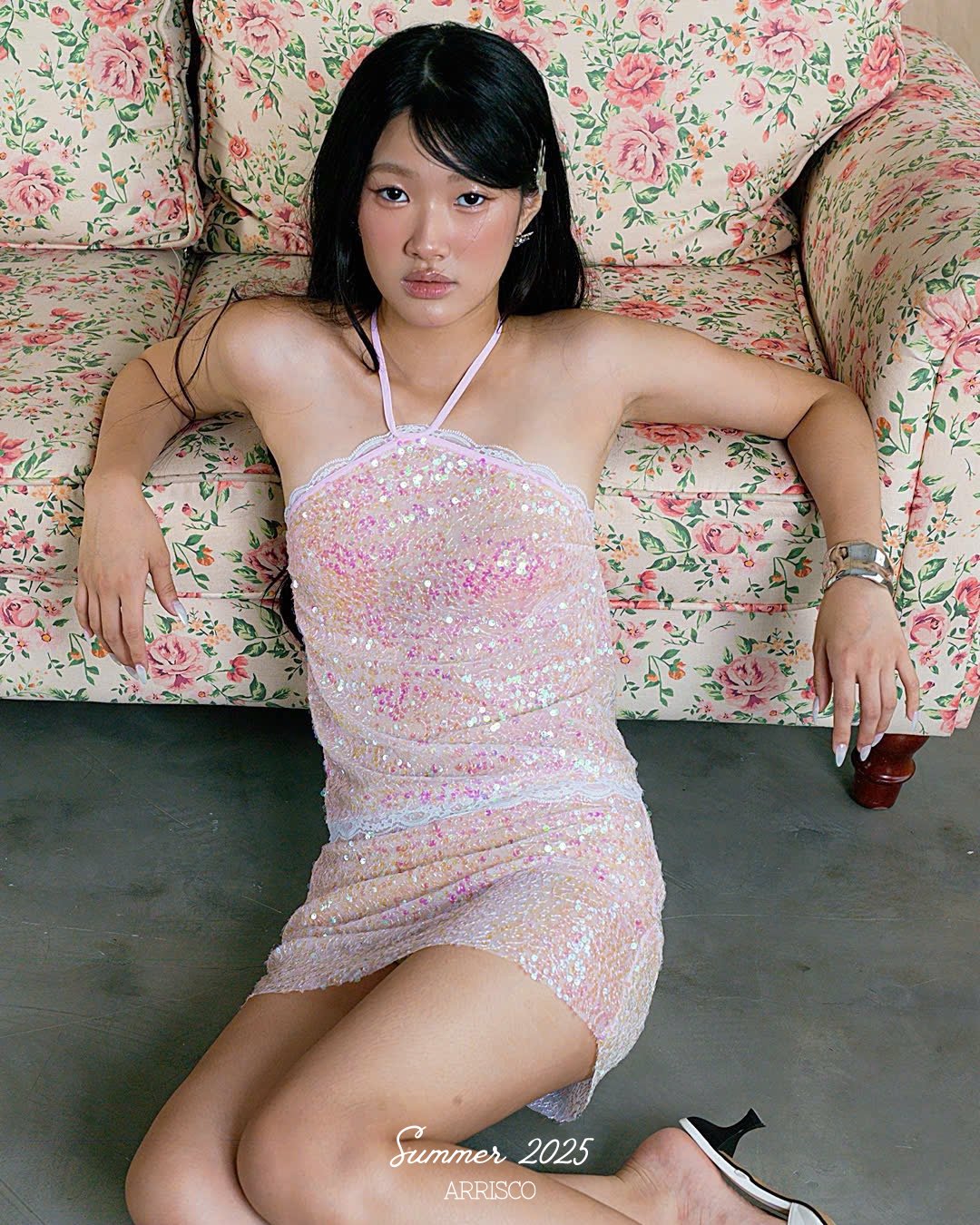
In this blend, sequin clothing has found its niche. Sparkling outfits often transcend cultural boundaries, becoming symbols of celebration and joy. They reflect a universal desire for expression—something that everyone can wear, no matter their cultural background.
The Power of Personal Expression
Fashion allows individuals to express their unique personalities while linking to broader cultural narratives. It acts as a canvas upon which we paint our identities, often mixing personal styles with cultural motifs. Let's dive into the facets of how personal expression through fashion connects back to cultural roots.
The Voice of Individuality
Everyone has a unique style. Whether you find comfort in bohemian attire, streetwear, or elegant sequin clothing, your fashion choices reflect your individuality. Wearing something that resonates personally isn't merely an aesthetic choice but also a declaration of self.
For many, clothing is the first line of communication. It speaks volumes before a word is uttered. A bold graphic tee can convey confidence, while classic silhouettes can represent maturity and professionalism. Fashion empowers us to tell our tales in ways that are visually arresting.
Intersection of Cultural Influences
In a world that fosters multiculturalism, the intersection of different influences is a beloved aspect of fashion. Street style movements globally often share similarities, each infusing individual cultural influences into styles. Think of the way hip-hop culture has made its mark on fashion, inspiring everything from high-end fashion collections to everyday wear!
Moreover, sequin clothing has bridged cultural gaps, showcasing how sparkle and shine can serve as a form of celebration in various contexts. From dance festivals to cultural parades, sequins are loved for their ability to bring joy and vibrancy to any occasion. This rise in popularity amplifies the message that fashion is a celebration of resilience, joy, and heritage!
The Impact of Fashion on Cultural Identity
Fashion influences our perspective of cultural identity, shaping perceptions within societies. It reflects and affects the collective psyche—what we wear contributes to how we see each other, construct communities, and connect globally. Let’s explore the multifaceted impacts of fashion on cultural identity.
Challenging Stereotypes
Fashion plays a pivotal role in challenging norms and stereotypes. By embracing and showcasing diverse styles, cultures, and identities, we combat preconceived notions that can arise from a lack of understanding. For instance, when designers celebrate a cultural heritage through runway shows or collaborations, they push boundaries and provoke thought.
With its versatility, sequin clothing contributes to this impact by transforming the way cultural aesthetics are perceived. It takes something traditional and refines it with modern flair. When people see different cultures represented on the runway, it ignites curiosity and fosters appreciation.
Cultural Reconstruction and Revival
In recent years, many cultures have embraced the revival of traditional garments, often giving them contemporary spins. This revival isn’t merely about aesthetics; it signals a reconnection with history, a reclaiming of cultural narratives previously submerged or neglected. Today’s fashion houses are redefining what it means to represent culture through style.
By embracing sequin clothing that echoes traditional patterns or shapes, individuals can partake in this revival while celebrating their heritage. They’re not just preserving culture but reinventing it for future generations.
Fashion as a Means of Social Change
The world of fashion is uniquely positioned to herald social change. When designers and brands take a stand on issues, their influence can create ripples in society. Fashion can be a powerful tool to advocate for awareness, equality, and acceptance within cultures.
Advocacy Through Style
Fashion statements often blend advocacy with high style. Various fashion movements have emerged to raise awareness about significant social issues - from sustainable fashion to inclusivity. When brands align themselves with these movements, they not only change the narrative around their products but also inspire consumers to think consciously about their choices.
Sequin clothing, with its eye-catching glamour, often becomes a symbol of celebration and pride during advocacy events. Wearing sequins to express solidarity can shine a bright light on important causes, transforming a garment into a beacon of hope and change.
Fashion and Representation
Representation is critical in shaping cultural identities within the fashion industry. The increased visibility of models and designers from diverse backgrounds is reshaping how fashion reflects society. Inclusive representation enriches the industry and allows for authentic storytelling that resonates with a broader audience.
When cultures are authentically represented, it creates a fertile ground for understanding and unity. Seeing sequin clothing adorned on diverse models showcases the beauty of different identities coming together, advocating a sense of belonging for everyone.
Fashion: A Tapestry of Community
Ultimately, the world of fashion weaves together communities. It connects individuals from various backgrounds, creating spaces where cultures can not only coexist but celebrate their differences. Let’s look at how community is fostered through the fabric of style.
The Social Fabric of Fashion
Fashion events, pop-ups, and marketplaces provide opportunities for communities to come together. They allow creatives to share their works and for consumers to engage with cultures that may be different from their own. This interaction cultivates understanding, creating an inclusive environment that thrives on diversity.
Community gatherings often spotlight traditional garments, such as native attire shared among family members during festivals. When adorned with sequin clothing or other vibrant elements, these traditional styles become art forms, enhancing community ties.
Collaborative Creations
Collaboration in fashion also gives rise to unique blends of styles, where cultural elements mingle to create something new. Designers from different backgrounds often work together, merging aesthetics that honor their heritage while forging a new path. This results not just in beautiful garments but in stories told through every stitch and fitting.
With sequin clothing in this collaborative mix, vibrant sparkles symbolize joy and unity. They spark joy in connections made and celebrate the beauty found in diversity.
Final Thoughts: Celebrate Your Style Interface
Fashion stands as a powerful force. It can embody our past, inform our present, and inspire our future. As you explore your personal style and navigate the myriad of cultural influences, remember that what you wear is more than a fashion statement; it's a testament to your identity and the world around you.
So the next time you pull on that dazzling sequin clothing, think of the stories woven into its fibers. Each time you slip into something vibrant, you're not just making a choice; you're participating in a global conversation about identity, culture, and expression. Celebrate your unique style interface and know that your choices make waves that extend far beyond the mirror. Fashion is your voice—wear it boldly!