

Overview
Fashion has evolved significantly over the decades, reflecting societal changes and individual expression. From the glamorous flapper dresses of the 1920s to the minimalist grunge of the 1990s, each era introduced unique styles, with sequin clothing making notable comebacks throughout. Today, fashion emphasizes sustainability and personal style, allowing sequins to shine in modern, everyday wear. Embrace your individuality by incorporating elements from fashion's rich history into your wardrobe.
Frequently Asked Questions
1. What are the key fashion trends of the Roaring Twenties?
2. How did the Great Depression influence fashion in the 1930s?
3. What characterized the fashion of the 1970s?
4. How did fashion evolve during the Y2K era?
5. What is the current trend in fashion regarding sustainability?
Fashion is a fascinating tapestry woven from the threads of time, culture, and creativity. From flapper dresses in the 1920s to the grunge aesthetic of the 1990s, each decade showcases a unique blend of styles that reflect societal changes and individual expression. Today, we take an exhilarating journey through the decades, examining how fashion trends have evolved and the pivotal role that fabric, design, and inspiration play in shaping our wardrobes, including the delightful resurgence of sequin clothing that continues to dazzle the fashion scene.
The Roaring Twenties: Glamour and Liberation
The 1920s, often referred to as the Roaring Twenties, marked a significant shift in fashion and social norms. Women gained the right to vote, which emboldened them to express their newfound independence through style. The flapper dress, characterized by its dropped waist, loose fit, and playful fringe, epitomized this era of liberation.
Accessories were equally important during this time. Cloche hats and long pearl necklaces adorned women's necks, while men sported tailored suits and fedoras. What truly defined the 1920s was the love for glitz and glamour—enter sequin clothing. The sparkle of sequins reflected the energy of the Jazz Age, perfectly complementing the vibrant dance halls and speakeasies that characterized the decade.
The Fabulous Thirties: Elegance Amidst Hardship
As the Great Depression struck, fashion took a more subdued turn in the 1930s. Despite the hardships, women found ways to maintain elegance. The Hollywood glamour of stars like Greta Garbo and Joan Crawford influenced everyday attire, featuring bias-cut gowns that hugged the body beautifully and created an effortlessly elegant silhouette.
During this decade, sequin clothing made its mark in evening wear, lending a touch of sparkle to otherwise simple dresses. The focus shifted to quality over quantity, encouraging the trend toward tailored garments that could be worn for multiple occasions. Accessories, too, became essential, with the introduction of stylish gloves and shoes contributing to an air of sophistication.
The Creative Forties: Utility Meets Style
The 1940s brought with them the impact of World War II, leading to the emergence of utility fashion. Fabrics were limited, and clothing designs had to adapt. However, even in a time of restriction, creativity flourished. The famous "New Look" debuted in 1947, with Christian Dior championing a return to femininity characterized by nipped-in waists and full skirts.
During this time, sequin clothing took a backseat as practicality reigned supreme. Yet, the end of the war reopened the floodgates for exuberant fashion once again, paving the way for exciting evening wear that could shine bright under the ballroom lights.
The Swinging Fifties: The Rise of Subculture
The 1950s were all about youthful exuberance and societal change. Rock 'n' roll music influenced how people dressed, and fashion became an extension of one's personality. Full skirts, quirkily printed dresses, and sharply tailored suits defined this decade. Vintage tees and denim jackets emerged as symbols of rebellion among the youth.
This era also saw the revival of sequin clothing, particularly in evening gowns. Show-stopping sequined dresses became a staple for Hollywood’s most glamorous events, enticing women to embrace the sparkle and shine that symbolized post-war prosperity.
The Colorful Sixties: Patterns and Individuality
The 1960s ushered in a revolution not just in music and culture but in fashion too. This was a time of daring patterns, eclectic styles, and the birth of youth-centric fashion. The introduction of the mini skirt, bold prints, and psychedelic colors showcased the decade's playful spirit. Icons like Twiggy and Vidal Sassoon led the way in experimenting with shapes and colors.
As fashion transitioned towards individual expression, sequin clothing made a flamboyant comeback, gracing the dance floors of famous nightclubs and boosting the allure of party wear. This era truly celebrated the freedom to experiment with attire, encouraging everyone to embrace their unique sense of style.
The Groovy Seventies: Disco Fever Takes Over
The 1970s are synonymous with bold fashion statements and liberating styles. As disco fever took over, the glam rock movement encouraged extravagant outfits that sparkled and shined. High-waisted bell-bottom jeans, maxi dresses, and platform shoes dominated the fashion landscape.
This is where sequin clothing reached its peak, becoming emblematic of disco culture. From dazzling dresses to shimmering jumpsuits, sequins were everywhere in nightclubs and parties, adding to the joyous celebration of freedom that defined this vibrant decade.
The Eccentric Eighties: Power Dressing and Exaggeration
During this electrifying decade, sequin clothing flourished, becoming a staple for those attending parties and nightclubs. Sequins were no longer just for formal wear; they infiltrated casual outfits as well, showcasing how fashion could be both fun and assertive. Designers embraced fabric technology, allowing for more innovative uses of sequins, leading to edgier looks that still resonate today.
The Minimalist Nineties: The Age of Grunge
The nineties brought a breath of fresh air with the emergence of minimalist fashion. Young adults rebelled against the flashy styles of the eighties, opting for grunge aesthetics characterized by flannel shirts, ripped jeans, and combat boots. However, the pop culture explosion introduced an alternative realm of fashion, with artists like Britney Spears and Spice Girls promoting a much-glamourous image.
In certain circles, sequin clothing remained present, primarily during special events and performances, as it intertwined with the realms of music and culture. The influence of emerging supermodels and pop icons showcased how fashion can oscillate between the extremes of simplicity and sparkly opulence.
The Y2K Era: Nostalgia and Futurism
As the millennium approached, fashion took a turn towards a unique blend of nostalgia and futurism—the Y2K era was characterized by bold colors, unique textures, and a fusion of various trends from decades past. Cargo pants, butterfly clips, and crop tops dominated the scene, while brands experimented with eclectic styles.
Although sequin clothing saw fewer casual influences, it was a statement at parties and events, reflecting the duality of a bygone disco era with contemporary sensibilities. The glamorous and the quirky coexisted beautifully, showing us that fashion is a revolving door that draws inspiration from everywhere.
The Present: Sustainability Meets Individual Style
Fast forward to today, and fashion is witnessing a resurgence of self-expression fused with sustainability. More conscious consumers are influencing brands to adopt ethical fashion practices while allowing room for individual style. Vintage shopping has become incredibly popular, making *past trends* more accessible than ever.
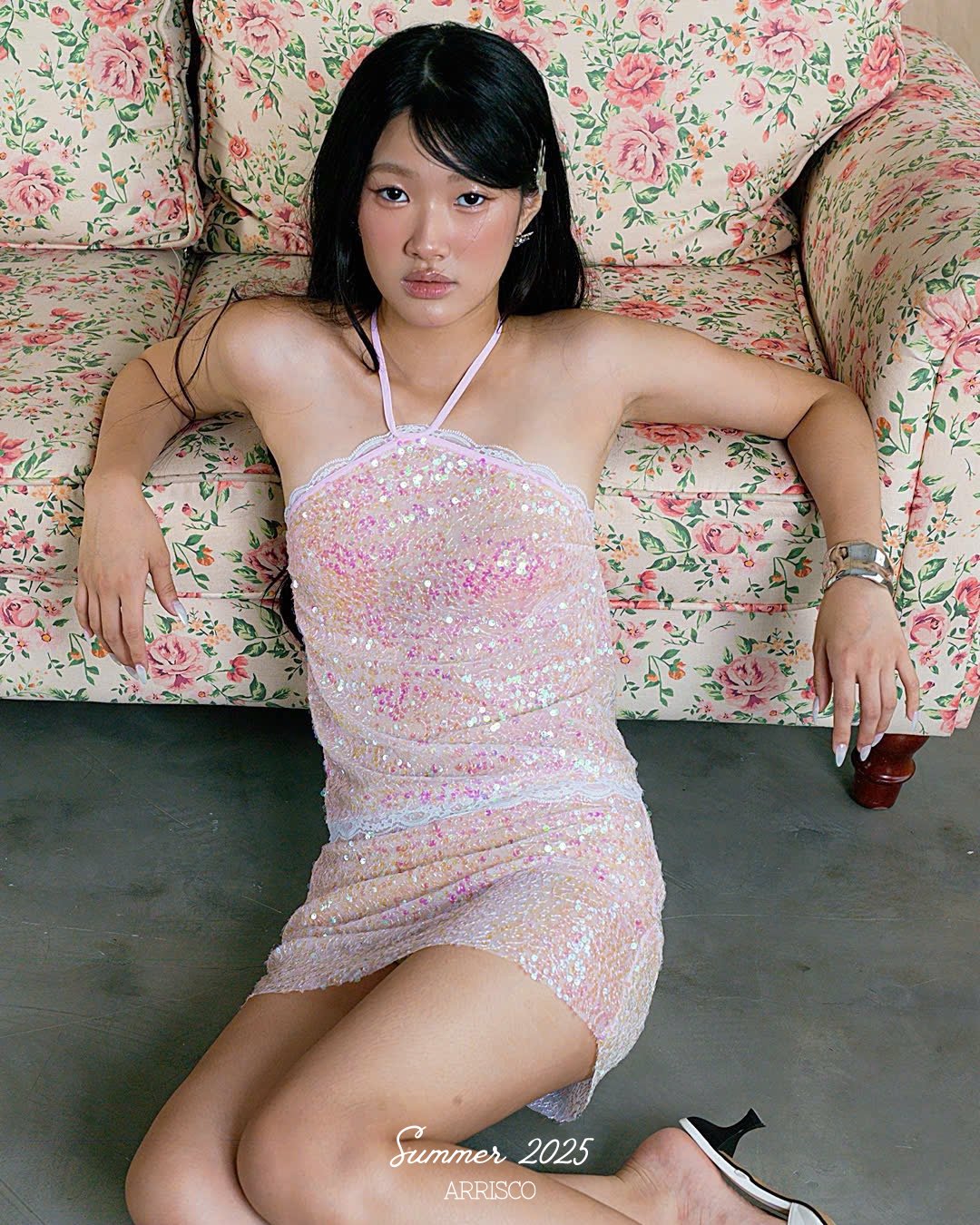
As for sequin clothing, it has been reinvented for modern sensibilities, appearing in innovative designs that elevate both casual and formal wear. Sequins are no longer just for the dance floor; they are now embraced in sophisticated everyday styles, proving that sparkle has a place in every wardrobe.
Where Fashion Meets the Future: Embrace Your Style!
Fashion will always be a reflection of the times we live in, and as we look back at the evolution of trends, it's evident that each decade has left a unique imprint on the industry. From the shimmering dresses of the 1920s to today's conscious and eclectic styles, the rich history of fashion informs our choices in the present moment.
So, as you explore your wardrobe and choose pieces that resonate with your personality, consider incorporating the timeless allure of sequin clothing. Whether it's a dazzling top that sparks conversations or a statement dress that lights up the room, embrace the evolution of fashion and celebrate your individuality.