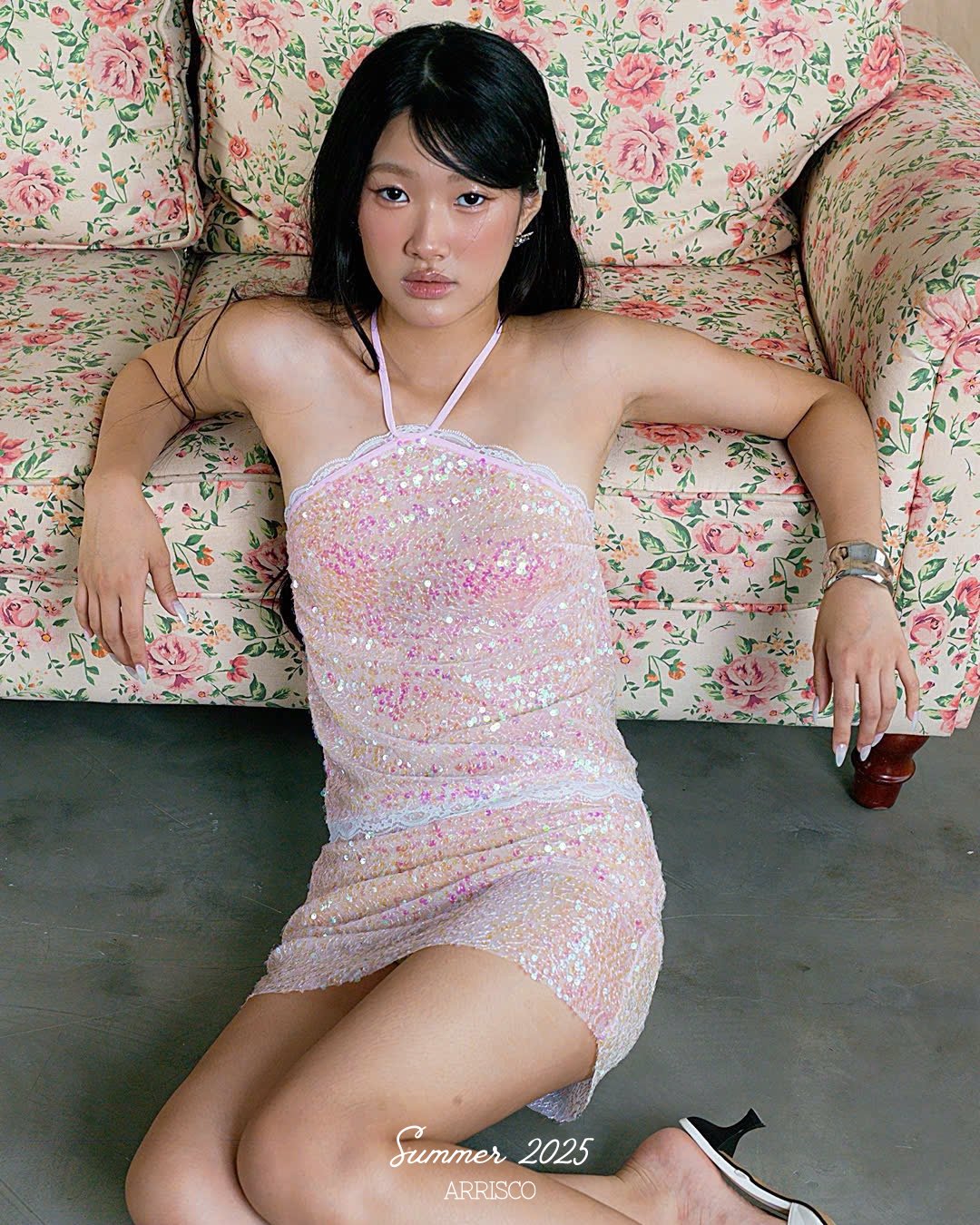


You spot a cut out waist dress while scrolling late at night. The model looks polished, confident, and completely at ease, while you’re thinking, “That’s gorgeous, but would it work on me?”
That hesitation is common. The good news is that this style is less about having one “right” body and more about understanding placement, proportion, and structure.
Your Moment in the Cut Out Dress Is Here
A friend of mine once ordered a cut out waist dress for a birthday dinner, then nearly returned it before even trying it on properly. On the hanger, it looked dramatic. On her body, after the right shoes and a quick fit check, it looked balanced, modern, and surprisingly easy.
That’s the shift many people need.
A cut out waist dress can feel intimidating because the design draws attention to an area many of us were taught to hide, fix, or second-guess. But the best versions do the opposite. They frame the body. They create shape. They make a simple silhouette feel intentional.
What usually causes confusion is not the trend itself. It’s bad fit, vague product photos, and styling advice that assumes every wearer has the same proportions.
Here’s what makes this dress worth your attention:
- It creates definition: Even a small opening at the waist can sharpen the whole silhouette.
- It can read bold or subtle: A sliver of skin feels very different from a large side opening.
- It adapts well: The same dress can go from daytime to dinner with a change of layers and accessories.
Tip: If a cut out dress has ever looked awkward on you, that does not mean the trend is wrong for you. It usually means the cut out sat in the wrong place.
The most stylish approach is not copying the exact look from a runway or feed post. It’s choosing a version that works with your torso length, waist placement, comfort level, and lifestyle.
Confidence starts with better information, not with courage alone.
Defining the Iconic Cut Out Waist Silhouette
A cut out waist dress is defined by intentional openings around the waist or midriff. The reveal sits where the dress can frame the narrowest part of the torso, or create the illusion of one, while still functioning as a single garment.
That last part matters. It often gives the visual effect of a coordinated set from the front, but it wears like one dress.

What makes it different
People often lump several styles together, but they are not the same.
| Style | Main focus | Visual effect |
|---|---|---|
| Cut out waist dress | Openings around the waist or midriff | Frames the torso and creates shape |
| Side cut-out dress | Skin shown at the obliques or side waist | More sculpted, often more directional |
| Backless dress | Open back detail | Drama from the back rather than the front |
| Keyhole dress | Small opening at neckline or bust | Subtle peek rather than waist emphasis |
If you want that “defined but not overdone” energy, the cut out waist dress sits in the sweet spot.
Why it feels so current
The style has a long fashion history. The modern cut-out dress originated in 1934, when Mary Astor wore a gown with a discreet keyhole cut-out. It moved fully into the mainstream after Julia Roberts wore a two-toned cut-out dress in Pretty Woman in 1990, and that influence later showed up in Tom Ford’s Gucci Fall/Winter 1996 collection before resurging again in 2017 with designers like Prabal Gurung and LaQuan Smith, as detailed in Bustle’s history of the cut-out dress.
That evolution helps explain why the dress can feel both glamorous and modern at the same time. It has old Hollywood roots, 1990s confidence, and a contemporary edge.
For a broader look at how celebrity styling shapes fashion cycles, celebrity dress trends defining modern style offers useful context.
The core design idea
The appeal comes down to strategic reveal. Not exposure for its own sake. Placement with purpose.
A good cut out waist dress usually does one of these well:
- Highlights the narrowest point of the torso
- Builds shape on a straighter frame
- Breaks up a simple dress silhouette with architectural detail
- Adds tension between coverage and skin
That’s why the most successful designs feel considered. They are not random holes in fabric. They are part of the silhouette’s architecture.
Find Your Perfect Fit for Every Body Type
The hardest truth about this trend is simple. A cut out waist dress can look amazing in a product photo and still fail on the body if the proportions are off.
That mismatch shows up often. A 2025 Vietnam fashion survey reported that 68% of women aged 18 to 35 in Ho Chi Minh City experienced poor fit in imported cut-out styles due to shorter torsos and higher waistlines. The same verified dataset also notes that without proper internal support, fabric at the cut-out can sag by 10-15% after wear, which explains why some dresses start polished and end up drooping by the end of the day (fit issues in imported cut-out styles and structural sagging).

Start with body architecture, not body criticism
The right question is not “Can I wear this?” It’s “Where should the opening sit on my frame?”
That small shift changes everything.
If you want a clearer read on your proportions before shopping, how to determine your body shape is a helpful starting point.
Fit ideas by shape
Petite frames
A petite wearer usually benefits from a cut-out that sits slightly higher and stays relatively compact. That keeps the torso from looking visually chopped up.
Look for:
- Higher placement: This helps elongate the line of the body.
- Cleaner edges: Busy ruching around the opening can overwhelm a smaller frame.
- Midi lengths with open footwear: They keep the look lighter.
A very low opening can pull the eye downward and shorten the torso. That’s usually the issue, not the fact that the wearer is petite.
Hourglass shapes
If your waist is already well defined, symmetry is your friend. Matching cut-outs at each side often look balanced and polished.
Best bets include:
- Curved openings that sit right at the waist
- Firm bodices that hold their shape
- Skirts that skim rather than cling too tightly at every point
For hourglass proportions, the goal is usually to echo your shape, not force extra drama.
Pear shapes
A pear shape often looks strongest when the dress leads the eye upward. Waist cut-outs can work beautifully here, but the top half should carry some visual interest too.
Try a combination like:
- A higher neckline with waist detail
- Shoulder structure or sleeves
- A skirt that flows cleanly over the hips instead of gripping them
This creates visual balance without hiding your lower half.
Apple or fuller midsection shapes
Structure matters most here. Softer dresses without support can collapse at the opening and lose definition.
Choose designs with:
- Angled seams
- Wrap influence or directional draping
- Cut-outs that are narrower and more vertical
- Bodices that feel anchored rather than flimsy
Why structure matters more than you think
A cut out waist dress succeeds when the fabric around the opening stays stable. If the dress shifts, stretches, or buckles, the whole effect changes.
In technical construction, designers rely on angled seams and internal support to hold the shape. That is why some dresses feel sharp and elegant while others bunch or sag after a short wear.
Key takeaway: The cut-out should frame the body. It should never look like it is fighting the rest of the dress.
A quick fitting-room test helps. Raise your arms. Sit down. Take a few steps. If the opening twists, digs, or collapses, the dress is not doing enough structural work for you.
How to Style Your Dress for Any Occasion
A cut out waist dress gets unfairly pushed into one category: party only. That’s far too limited.
The styling shift is already happening. A 2025 Fashion Revolution report found that 72% of Gen Z professionals in Southeast Asia want hybrid modest fashion with subtle cut-outs, and the same verified dataset notes a 32% rise in global Pinterest saves for “modest cut out dress” between Jan 2025 and Mar 2026 (hybrid modest fashion demand and modest cut-out styling interest).

Daytime looks that feel effortless
For brunch, shopping, gallery visits, or travel days, the easiest route is contrast. Pair a fashion-forward cut with pieces that feel grounded.
Try this formula:
- Dress: Cotton poplin, knit, or a relaxed check pattern
- Shoes: Flat sandals, sleek sneakers, or low mules
- Bag: One clean shoulder bag
- Extras: Sunglasses and one pair of earrings
The goal is not to “dress down” the cut-out. It’s to let it breathe.
A daytime cut out waist dress often looks best when everything else stays restrained.
Evening looks with more polish
At night, you can lean into shape, texture, and shine.
A strong evening combination might include:
- A dress in satin, crepe, or a smooth structured fabric
- Heeled sandals or pointed pumps
- Sculptural earrings instead of a heavy necklace
- A clutch with clean lines
If the dress already has dramatic openings, skip accessories that compete with the waist detail. Strong silhouette beats visual noise every time.
For party-focused outfit inspiration, summer party outfit ideas that still feel polished can help you build around the dress instead of over-styling it.
Office and conservative setting styling
Many people get stuck on styling for office and conservative settings, but it’s also where the trend becomes interesting.
A cut out waist dress can work for work-adjacent settings, creative offices, events, or family gatherings when you treat the opening as a design detail instead of the headline.
Use layers that keep the line of the dress intact:
- A sharp blazer: Best for meetings or dinners
- A fine knit cardigan: Softer and easier for daytime
- A fitted high-neck layer underneath: Useful when you want extra coverage without changing the silhouette too much
Tip: If you want the dress to read more refined, increase coverage near the neckline and keep the hem elegant.
This styling video gives a useful visual sense of how cut-out dresses can be worn with confidence and movement:
The bigger point is this. Versatility comes from styling logic, not from the dress becoming less fashionable. A cut out waist dress can be playful, sleek, modest, or sharp depending on what you pair with it.
Choosing Fabrics and Accessories That Elevate Your Look
Fabric decides how a cut out waist dress behaves before you even think about shoes or jewelry. The opening may get the attention, but the textile determines whether the overall look reads crisp, soft, minimal, or dramatic.

Pick the fabric for the mood
A structured fabric creates a very different experience from a fluid one.
| Fabric feel | Best for | Overall effect |
|---|---|---|
| Structured | Events, dinners, polished settings | Architectural, clean, more sculpted |
| Fluid | Daywear, vacations, easy evening looks | Soft, relaxed, movement-focused |
| Stretch knit | Body-skimming silhouettes | Comfortable, modern, closer fit |
| Textured fabric | Statement dressing | Adds depth even with simple styling |
If you want a dress that holds its shape around the waist opening, choose something with body. If you want movement and ease, go softer, but be more selective about fit.
For a useful primer on how different textiles change drape and structure, a practical guide to fashion fabrics is worth saving.
Keep accessories in balance
The dress already has a focal point. Your accessories should support that.
A few easy rules help:
- Choose earrings over a necklace when the neckline already has interest.
- Pick one statement area only. If the dress is bold, keep the bag and shoes cleaner.
- Match the shoe weight to the silhouette. A sleek dress wants a sleek shoe. A relaxed dress can handle chunkier sandals.
- Use metallics carefully. Hardware and jewelry can sharpen the look, but too many reflective details can make it busy.
Small styling moves that make a big difference
Sometimes the best finishing touch is restraint.
Try these combinations:
- Black cut out waist dress with silver earrings and strappy sandals
- Printed daytime version with flat leather slides and a woven bag
- Long-sleeved midi with pointed heels and a compact clutch
Key takeaway: When the dress has cut-outs, your styling job is not to add more excitement. It is to create clarity.
Care matters too
Cut-out areas put stress on seams and edges. Handle the dress gently when hanging, steaming, and storing it.
A few habits help:
- Hang it in a way that supports the bodice
- Avoid stretching the opening while putting it on
- Follow the care label closely, especially on structured fabrics
- Steam with care around seams so the edge stays neat
A strong silhouette looks expensive. Good care keeps it that way.
Shopping Smart Online The Arrisco Advantage
Shopping for a cut out waist dress online can feel risky for one reason above all: placement. A dress can be beautiful in photos, but if the opening lands too low, too high, or slightly off-center on your body, the whole look changes.
That is why construction details matter so much more here than they do in a basic slip dress or oversized shirt dress.
What to look for before you click buy
The smartest online shoppers check more than the size label.
Focus on these details:
- Where the cut-out sits on the model’s torso
- How the fabric behaves around the opening
- Whether the bodice looks anchored
- Whether the product images show multiple angles
If the listing gives only one front-facing photo, be cautious. A cut out waist dress needs more visual information than that.
For a broader approach to making better online wardrobe decisions, how to shop for clothes online without guesswork is a useful companion read.
Why technical precision matters
In pattern drafting for a cut-out waist dress, the shape typically deviates from the natural waistline by 2-3 inches upward. In Ho Chi Minh City manufacturing, tech packs that include 12-18 points of measure are critical, because non-compliance can increase production defects by 15-20% due to misalignment at the cut-out seam, according to this verified technical reference on drafting and production standards for cut-out waist dresses.
Those numbers explain something shoppers feel all the time but may not have the language for. Tiny measurement errors become very visible when a garment has a waist opening.
A basic dress can hide some inconsistency. A cut out waist dress cannot.
What gives a brand an advantage
A brand stands out here when it treats fit like engineering, not guesswork.
That means:
- Building the silhouette from actual body proportions
- Paying attention to seam direction
- Standardizing points of measure clearly
- Designing for movement, not only for static product photos
This is how a well-made dress feels different the moment you put it on. The opening sits where it should. The waist looks intentional. The garment feels secure instead of delicate.
For global shoppers, that kind of precision matters even more online. You are not just buying a trend. You are buying confidence that the dress will arrive looking and fitting the way it should.
Embrace the Trend Your Way
The cut out waist dress works best when you stop treating it like a fashion test. It is not a question of whether you are bold enough, tall enough, curvy enough, or minimal enough.
It is a design choice. One that becomes much easier to wear when you understand silhouette, placement, fabric, and styling.
Some people will love a dramatic waist reveal with heels and sculptural jewelry. Others will prefer a smaller opening, a blazer, and flats. Both approaches are stylish. Both count.
The true power of this trend is that it can be shaped around your life instead of forcing you into a single fashion persona.
Wear it for definition. Wear it for ease. Wear it because you like the line it creates on your body.
When the fit is right and the styling feels like you, a cut out waist dress stops feeling intimidating. It starts feeling like one of the smartest pieces in your wardrobe.
If you’re ready to find a cut out waist dress that feels modern, flattering, and easy to wear, explore Arrisco. As a contemporary fashion brand from Ho Chi Minh City, Arrisco brings a sharp eye for silhouette, fit, and global style to pieces designed for confident dressing.